


Everybody knows that Las Vegas is dying. While it was always something of an over-exaggerated party town, talked up by people who didn’t really know what hard partying looked like, and with a mystique built up by movies, it still had a huge draw. Accessibility.
It didn’t matter if you were a high-rolling whale, a movie star, or just looking for a cheap long weekend with access to some tables; you could find your place in Vegas. While there, you could choose from a staggering array of restaurants, see Broadway-scale shows off the lobby of your own hotel, or murder a hooker and get away with it.
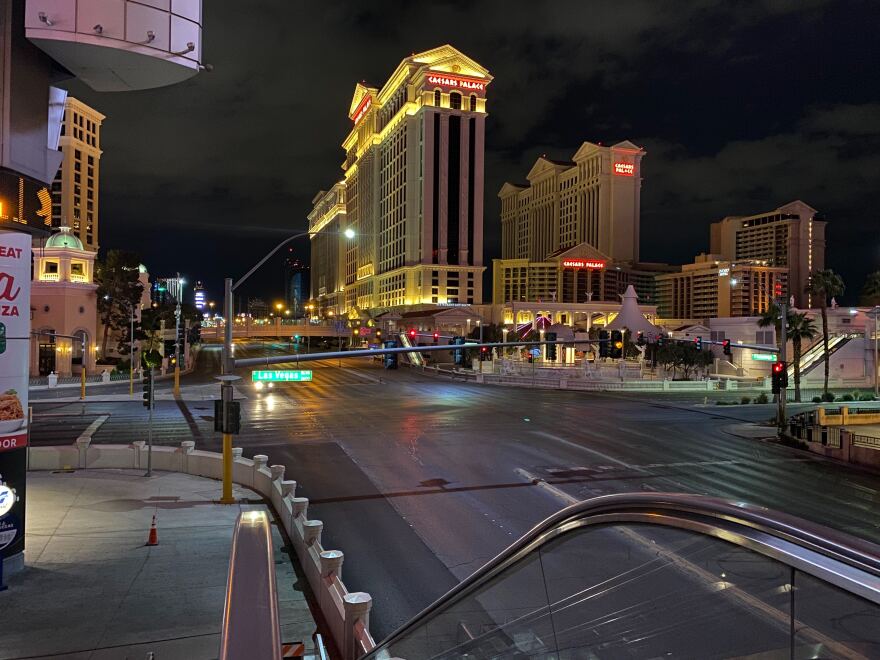
Then it started to change. The downfall started with resort fees. They arrived out of nowhere and completely drove a truck through the gambling subsidised cheap room rates. Nightclubs charged a small fortune for bottle service. Cocktails started to hit $40 and $50 a throw.
Triple-zero roulette spread. Slot rates went up. Table minimums went up. Resort fees kept increasing. Mandatory service charges were added to everything. Everywhere you went, it felt like you were getting nickel-and-dimed to death.
Meanwhile, any “budget” hotel or venue was seemingly left to go to ruin by the owners, becoming dirty, broken-down holes while the ever-newer, shinier resorts were built at higher and higher price points.
Every single decent spot desperately shot itself in the face trying to become some kind of influencer magnet, forgetting that one of the central tenets of Vegas, and part of the charm, is that it’s a bit naff.
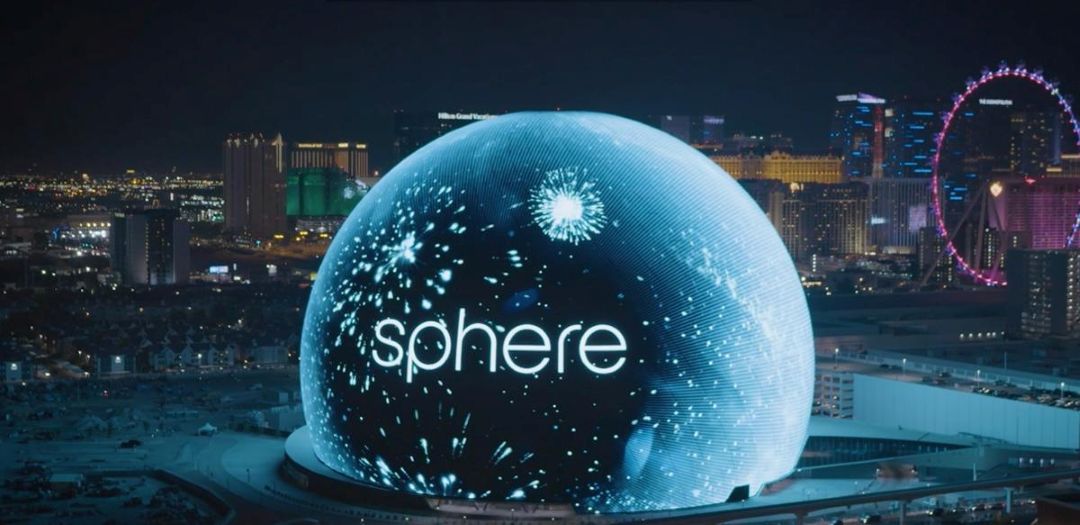
Now, you can’t move online without falling over an article or video on the decline of Vegas. How numbers have plummeted, and none of the mega-corps that now own the strip, or the hapless visitor bureau, can figure out what is wrong or how to reverse it. There is, however, one bright spot. The Sphere.
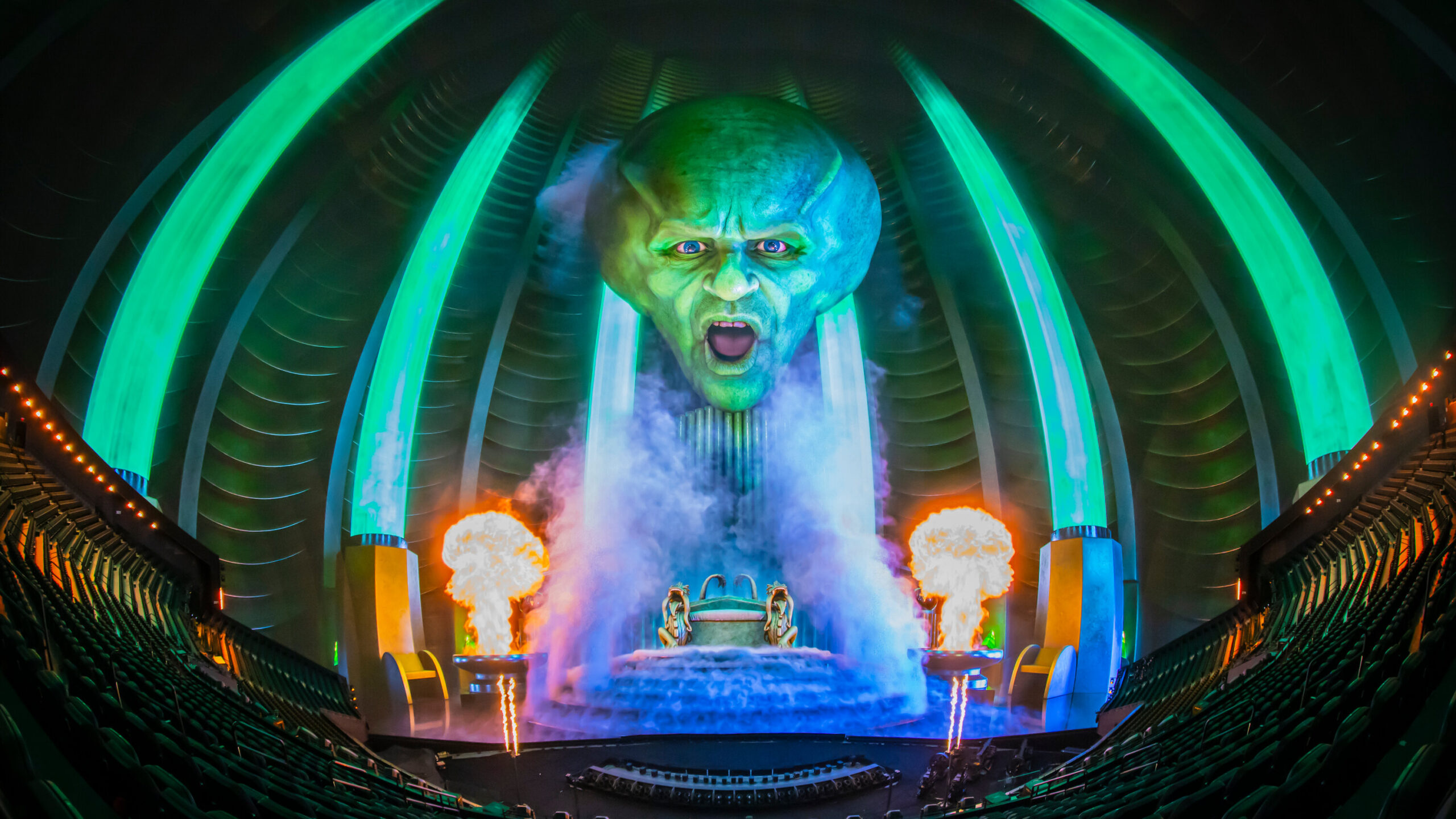
The venue can take up to 20,000 people with immersive video and audio capabilities, which include a 16K resolution wraparound interior LED screen, speakers with beamforming and wave field synthesis technologies, and 4D physical effects. The venue’s exterior also features 580,000 sq ft of LED displays, making it the largest in the world.
It is meant to primarily be a concert venue, but now a report by Wolfe Research has forecast that the Sphere in Las Vegas could become the most profitable movie theater on the planet. In movie configuration, it has 5,000 seats and has been using its capabilities for an immersive screening of The Wizard Of Oz.
A special version using AI and new digital effects to fill the screen, along with immersive 4D effects blasting into the audience, has been making as much as $2 million a day in revenue from the single screen. It is sold out daily, and the demand is not slowing down.
Previously, Darren Aronofsky’s Postcard from Earth at the Sphere grossed over $500 million across its run. That is on par with the biggest hits of this summer from a single screen!
Bloomberg says those in charge of The Sphere are eying $1 billion in revenue from The Wizard of Oz at Sphere before it closes. Given the well-discussed problems with Hollywood profitability in theaters right now, is this the answer? Is this “the new 3D”?
Well… maybe not. The movie did need extensive re-work to make it suitable for the Sphere, and the practical effects in each show are not cheap, so maybe not the saviour of the cinematic experience.
Warner Bros. Pictures is in discussions to give some of its movies the Sphere treatment, with Harry Potter, The Matrix, Mad Max, Dune, and various DC properties in the running.

