


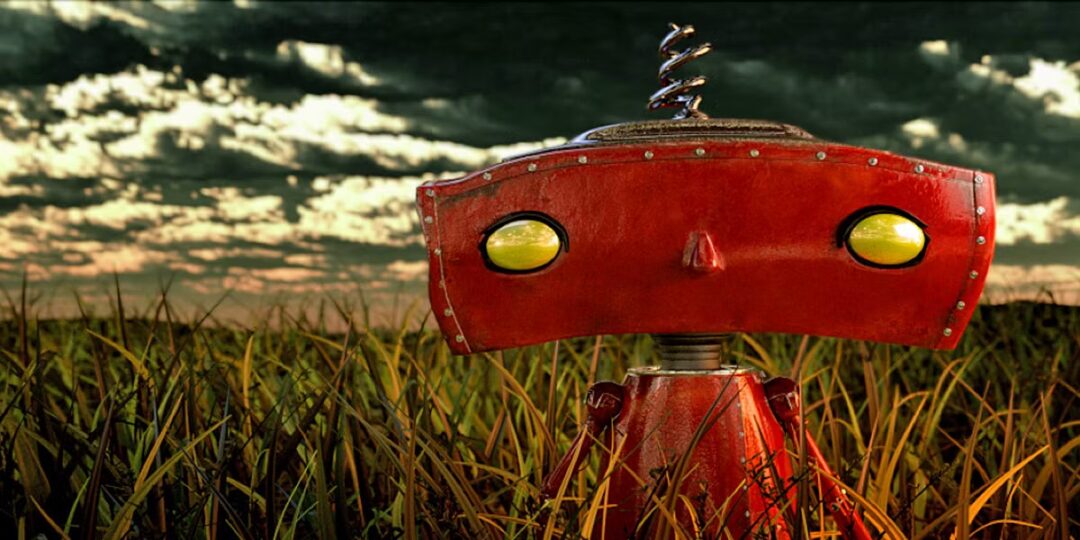
Once upon a time in Hollywood, not that long ago, J. J. Abrams could do no wrong. Hollywood didn’t just like him. It needed him and it needed Bad Robot.
He was the “fixer.” The franchise whisperer. The man who could take a struggling IP, give it a shake, add some lens flare and a Michael Giacchino soundtrack, and deliver millions of dollars at the box office.
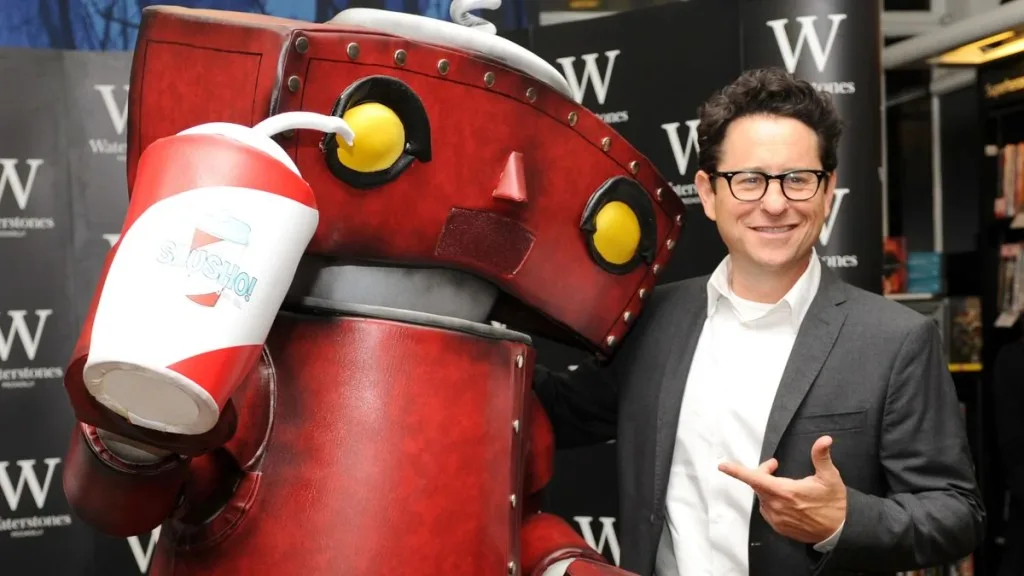
Bad Robot, Naughty Robot
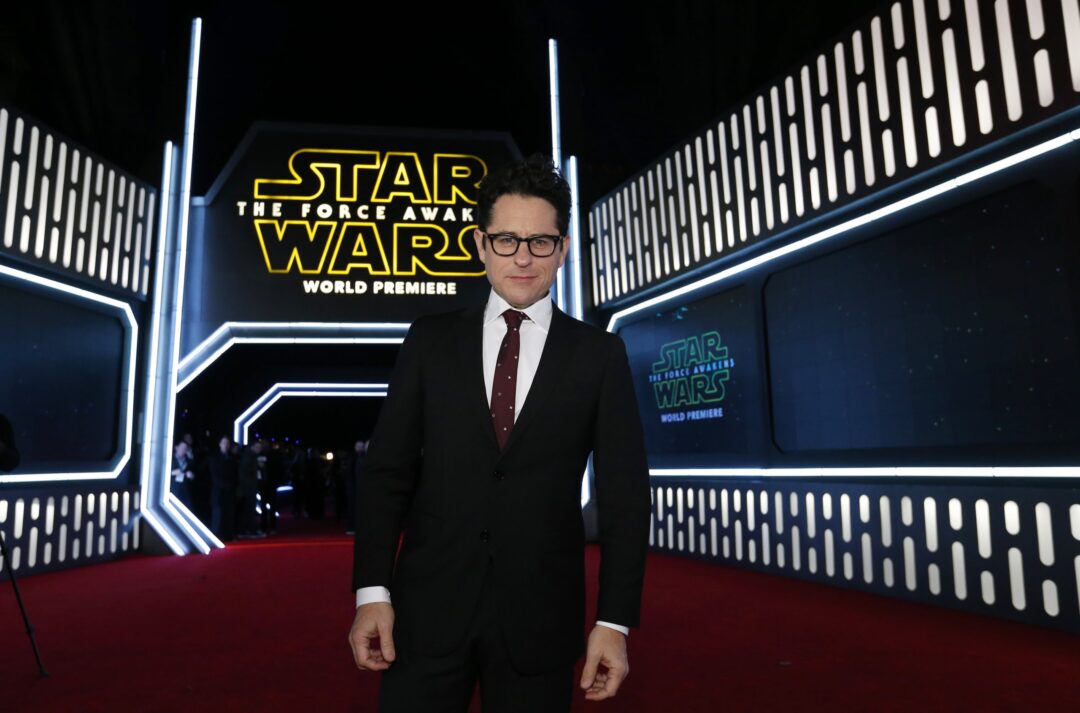
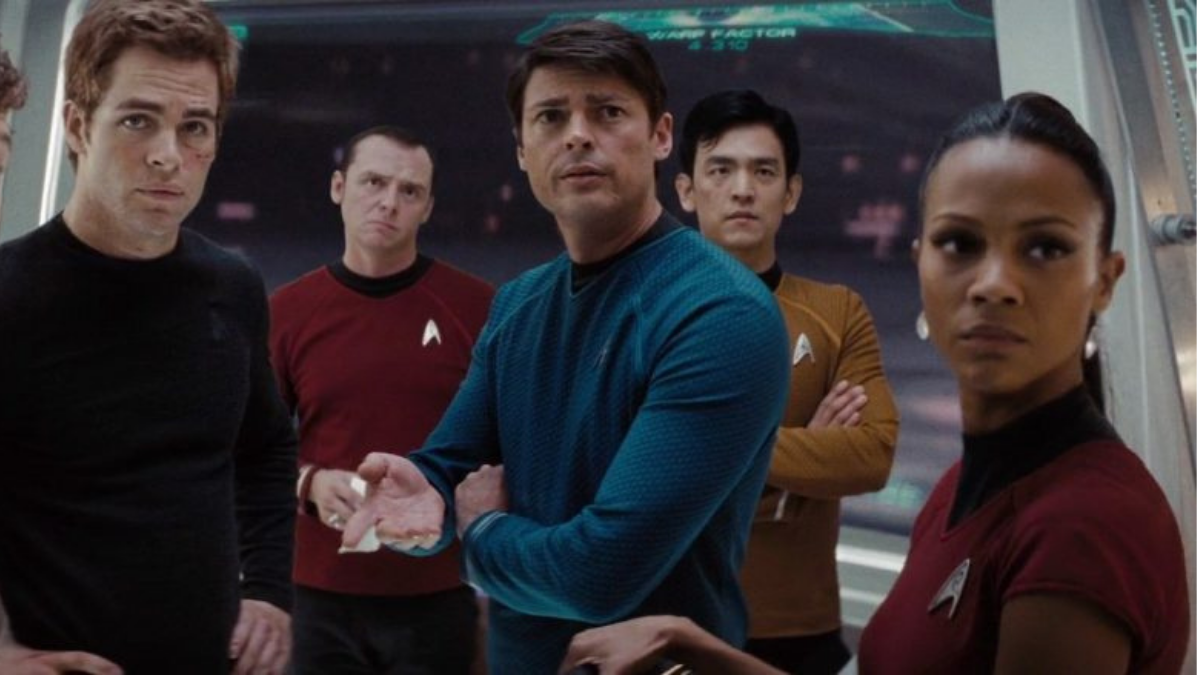
Mission: Impossible III helped revive a wobbling franchise. Star Trek turned a niche sci-fi property into a normo crowd pleasing (if not hardcore fan pleasing) multiplex stormer, and he relaunched Star Wars with The Force Awakens, a remake disguised as a multi-billion dollar victory.
Presiding over all of it was his Bad Robot Productions. Well… not so much anymore, because Bad Robot is shrinking.
Recent reports confirm the company is downsizing, closing its Los Angeles office, and shifting operations to New York. What’s more, this is coming after years of quiet staff cuts and asset sell-offs.
The Santa Monica HQ that used to hum with hundreds of employees and an in-house VFX division is going.
That entire sense of Bad Robot as a mini-studio empire is collapsing. It feels not like a pivot, but a retreat.
Most interesting is the timing.
Cast your mind back to 2019. Warner Bros. backed up a cash truck and handed Abrams a $250 million mega-deal. This was already down from the whispered $500 million.
The expectation? Bad Robot was to send into Warner Bros. a pipeline of films, shows, IP, and content, content, content. A new creative powerhouse was to be born.
The reality?
A whole lot of… not much.
The DCU That Never Was
When Abrams and Bad Robot made the transition to Warner Bros. via the deal, there was a fleeting moment when Abrams looked poised to become the Kevin Feige of DC.
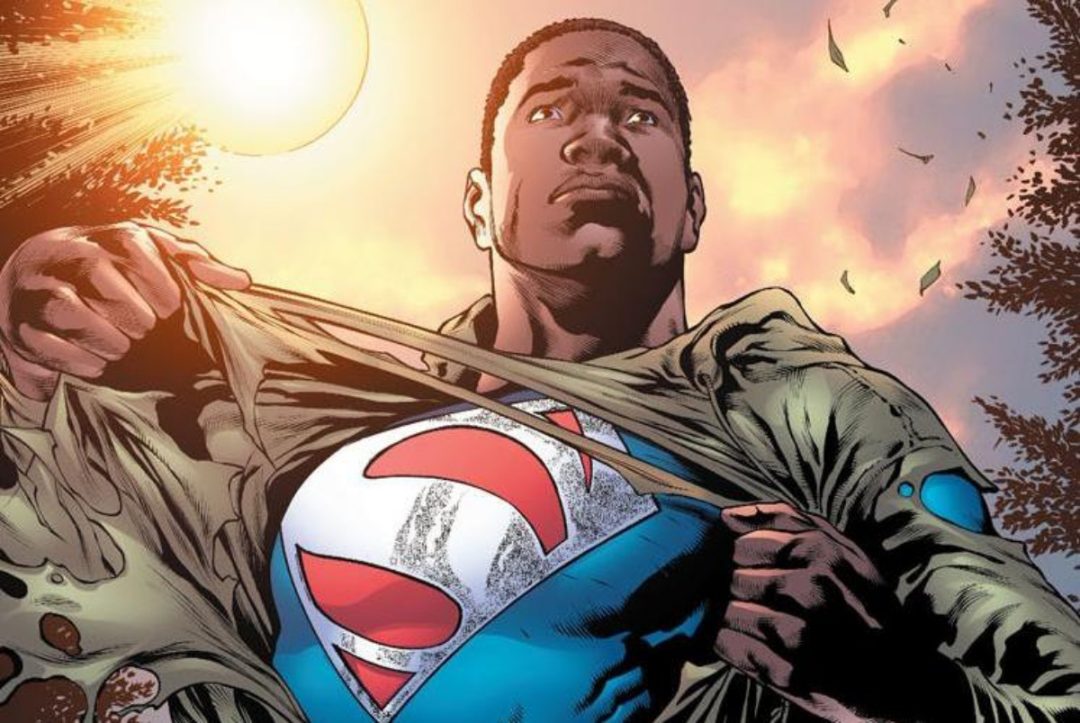
Justice League Dark, Black Superman, a whole slew of projects featuring capes and cowls.
However Warner Bros. and its legendary tinkering had already driven the DCEU to ruin, and new owners were super-aware of fan disillusionment.
The last thing the world of DC needed was a Black Superman brought to you by the man behind Superman: Flyby, arguably the worst Superman iteration every created by putting pen to paper. The internet made this very clear. Fans were in no mood.
So the rumors stalled, And then… nothing.
Meanwhile, the DC slate imploded, rebooted, re-rebooted, and eventually moved on without him. His grand “takeover” dissolved into development hell and corporate reshuffles.
It’s hard to run a cinematic universe when you can’t even get a film into production.
So fast forward to today and the output under the deal can been described, diplomatically, as sparse.
Projects stalled. Others quietly disappeared. TV efforts like Duster came and went with all the cultural impact of a fart in a hurricane.
When Bad Robot did have a hit, it didn’t come from, or to, Warner Bros. It landed elsewhere. So Warner Bros. Were left watching their quarter billion star player land hits for the other team.
After going from Alias to Lost to blockbuster royalty in a seemingly uninterrupted, straight upward trajectory, this was an uncharacteristic bad outcome for Abrams.
Now? There seems to be some kind of silence.
The Mystery Box Problem
There’s The Great Beyond lurking on the release schedule, but that is dogged with whispers of underwhelming test screenings.
Otherwise, Abrams has largely vanished from the corner of the cultural conversation that he dominated for the best part of a decade.
No big swings. No defining hits. No sense that he’s driving the industry anymore. It is as if Hollywood didn’t exile him. It just stopped calling.
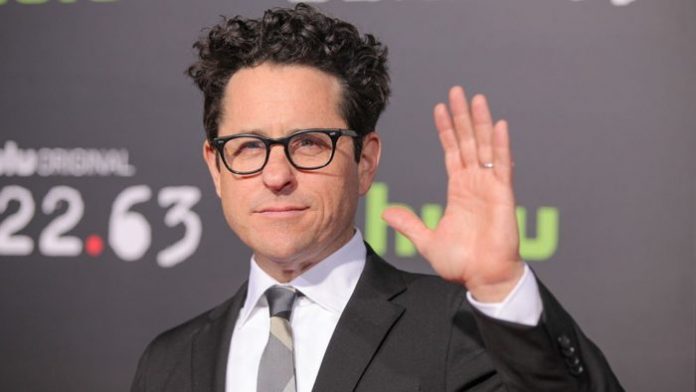
There is an inescapable feeling that maybe audiences and Hollywood alike tired of his what seemed like his whole philosophy – the so-called “mystery box” approach.
It works brilliantly… at first.
Set up questions. Tease answers. Keep the audience hooked. But eventually, you have to open the box.
Over time, audiences realised something uncomfortable: Abrams was much better at starting stories than finishing them.
You can see it in Lost. You can see it in Star Wars. You can see it in the fragmented, stop-start output of Bad Robot itself.
Turns out, “mystery” is a lot less appealing when it starts to look like “we didn’t plan this.”
So the real story here isn’t just that Bad Robot is downsizing. It’s that Hollywood no longer revolves around Abrams. The industry shifted around him instead.
Streamers rose, then tightened their belts. IP became even more dominant but more tightly controlled. Franchise planning became more rigid, less improvisational.
Abrams, once the perfect man for the chaos of 2000s TV and early franchise revivals, suddenly looks like a relic of a bygone, looser, more improvisational era.
Then, when his big Warner deal failed to produce consistent hits, the industry did what it always does – It found someone else.
Bad Robot isn’t dead. Let’s be clear. It still has projects. It still has deals. It still has Abrams. But it’s no longer the Bad Robot.
It’s a smaller, quieter version. A company in transition. A brand that once meant “event” now says something different.
It is not a scandal, and not a bomb. It is just a quiet, and quite sad, fall from grace. It feels a bit Nokia or Blackberry. A slow and creeping irrelevance while nobody was looking.
In the end, the irony is almost poetic. J.J. Abrams built a career on mystery boxes. On the promise that something amazing was inside.
Now, as Bad Robot downsizes, Hollywood has finally opened the lid.
And it is possible that therein lies the problem, and it always did.

