


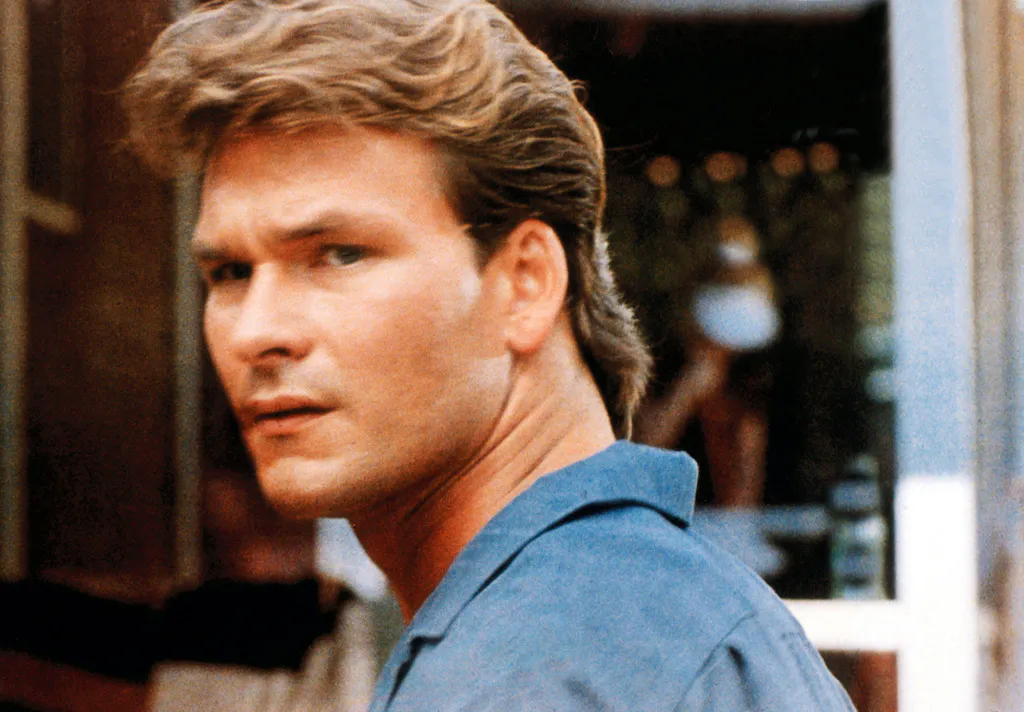
All of this nostalgic revisiting of the 1980s and early 1990s VHS rental store magnificence has given me a new appreciation for a stalwart of the era. Patrick Swayze.
Actor. Dancer. Action hero. Romantic icon. Horseman. Ranch owner. Certified 80s man. Also, a man for whom, the more I looked into his backstory, the more tragic his passing seems to become.
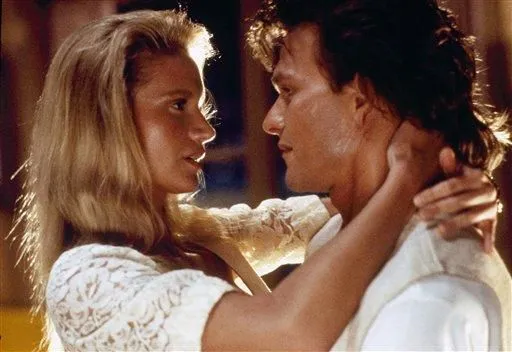
Hollywood History returns to Last Movie Outpost with a look at one of Hollywood’s most enigmatic leading men.
Swayze was emblematic of a time when leading men didn’t need a cinematic universe, a super-suit, or a tragic backstory involving a glowing cube from space.
He was also not a hulking bodybuilder or an overdeveloped stuntman. He was just a normal guy.
Admittedly ,a normal guy with a mountain of charisma, a jawline you could sharpen knives on, and the genuine ability to roundhouse-kick a villain through a plate-glass window.
Most impressively of all, though, is that he managed to become one of the biggest stars on the planet while remaining almost aggressively unimpressed with Hollywood.
Cowboy Boots and Ballet Shoes
Swayze wasn’t manufactured in a Malibu acting lab or fall off the Mickey Mouse Club production line.
He was born in Houston, Texas, in 1952 – so far, so good – and raised by a mother who ran a dance school and a father who worked as an engineering draftsman.
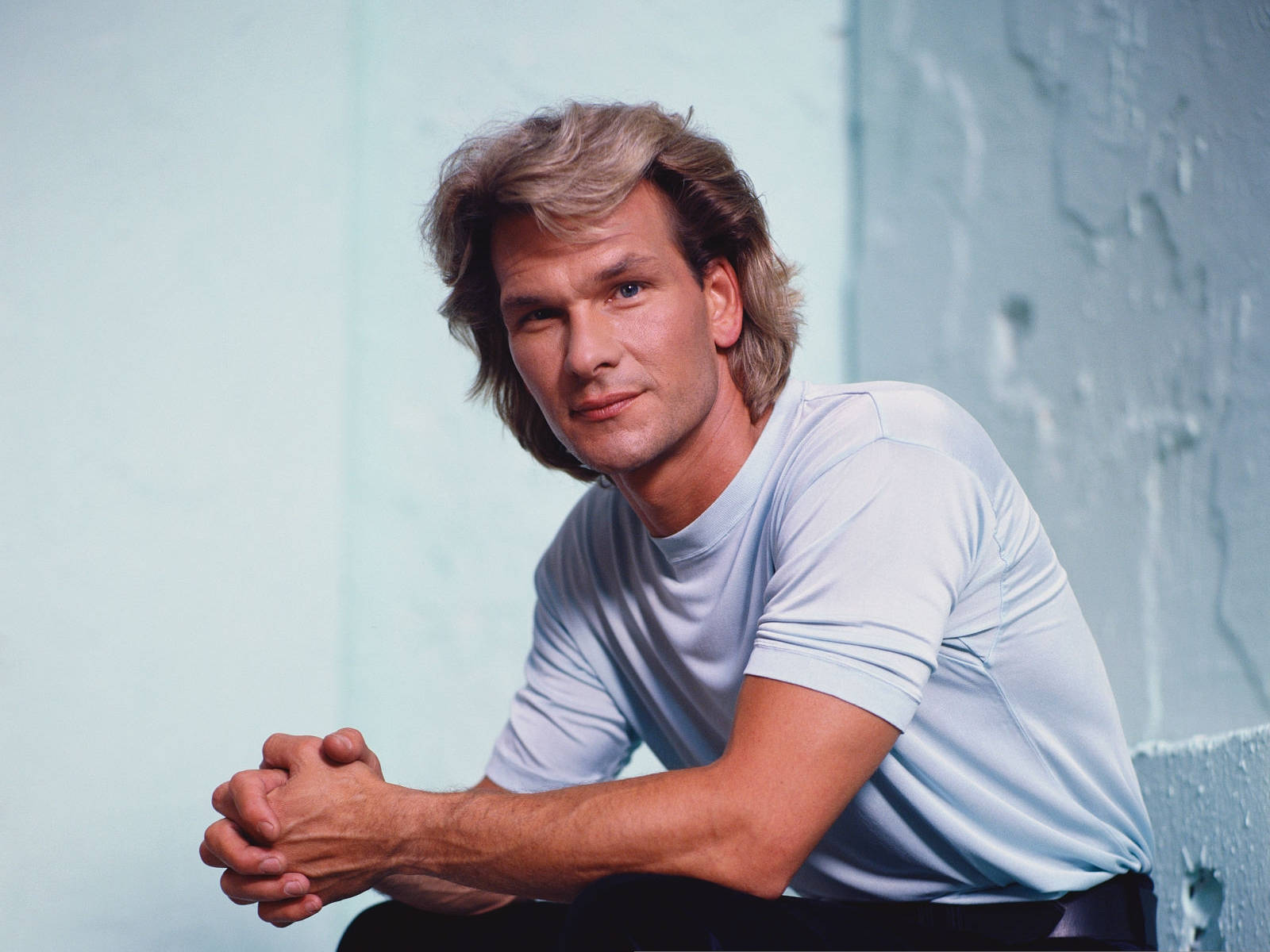
This is where the strange hybrid started to take hold. By all accounts, his mom, Patsy, was no-nonsense and demanding. Ballet wasn’t optional. Effort wasn’t optional. Excuses weren’t tolerated.
Young Patrick was aggressively trained in ballet, modern dance, and martial arts. He was effectively engineered to be able to both convincingly pirouette and punch.
Years before Hollywood came calling, he was a serious dancer. Studying in New York, performing with ballet companies.
This is the man who would go on to play Dalton and Bodie. Doing ballet. This wasn’t an actor learning to dance for a role. This was serious dancing stuff!
One day, this training and preparation would famously make a little movie about dancing and romance in the Catskills explode into pop culture myth, but first there was the small matter of some acting.
Wolverines!
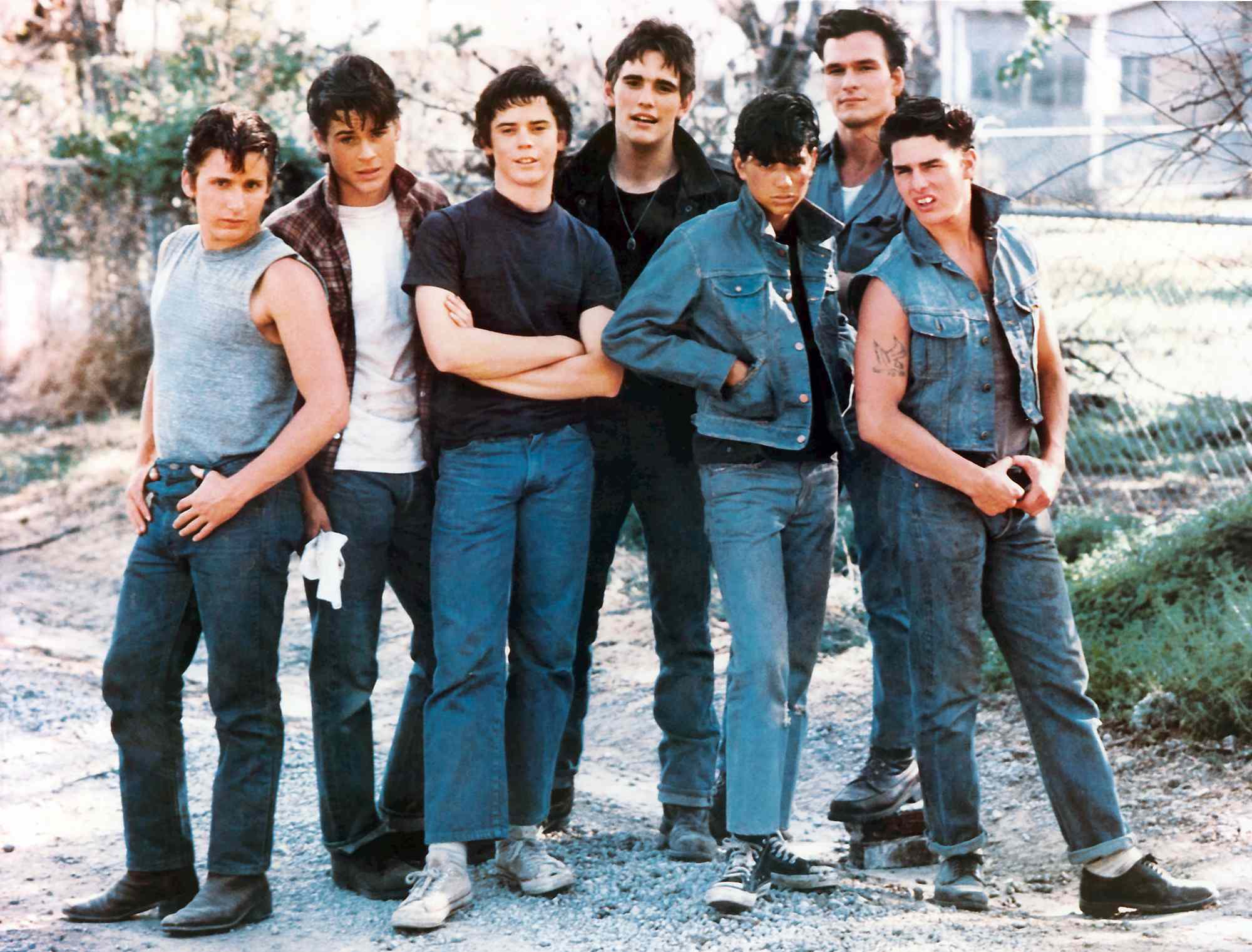
Swayze’s early film work included small parts and ensemble gigs, but his first major pop culture impact came with The Outsiders, where he appeared alongside what can only be described as the entire future of Hollywood at the time.
This is what helped secure him a role in the ultimate Cold War fever dream – Red Dawn.
This was peak Reagan-era cinema. When Soviet paratroopers invade Colorado, high school students form a guerrilla resistance.
It had every single ingredient it needed to be absolutely awful. A laughable parody of US self-regard and silliness at a time when the nation was still recovering from Vietnam and expecting more of the same from Russia.
And yet it is not. It is a tremendous movie that is far greater than the sum of its parts, and a large amount of that is due to the sheer effort of Swayze.
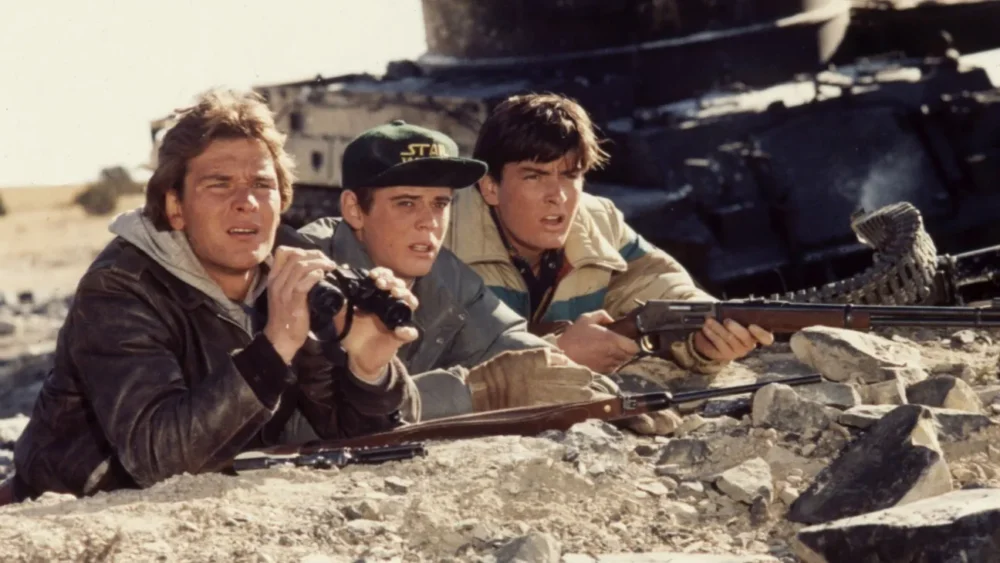
He plays Jed Eckert, the de facto leader of the teen Wolverines. He’s stoic, intense, and carries the emotional weight of the movie like a man twice his age.
It was one of the earliest signs that Swayze had gravitas. He wasn’t winking at the camera. He wasn’t playing it campy. He committed. Fully. Always.
And then, in 1987, lightning struck.
Dirty Dancing wasn’t supposed to be a cultural atom bomb. It was lined up to be a failure. Nobody at the studio had any faith in it. It had been a real struggle to get made.
A modest romantic drama, it featured Swayze as Johnny Castle. He was a dance instructor, an outsider, and a misunderstood good guy with a leather jacket and a heart of gold.
The movie made a fortune. It became a sleepover staple. It captured the hearts of an entire generation of teenage girls. It created one of the most quoted lines in cinema history. It turned Swayze into a global heartthrob overnight.
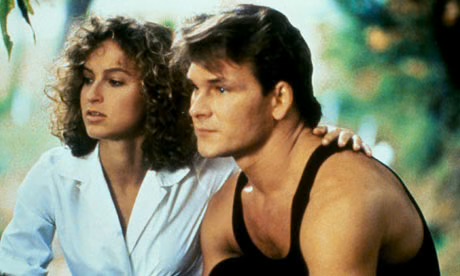
But here’s the thing: Dirty Dancing is much better than lightweight girl-fluff.
Dirty Dancing, and the character of Johnny Castle, works because Swayze wasn’t slick. He wasn’t smarmy. He wasn’t playing a parody of masculinity.
He was vulnerable. He was tough. He was romantic. He could lift his co-star like she weighed as much as a throw pillow.
He famously pushed himself through enormous pain from dancing injuries to perform the stage leap stunt himself again, and again, and again until it was perfect, but his knees were screaming.
He also co-wrote and performed She’s Like the Wind, because of course he did.
Road House and the Art of Kicking People Nicely
In 1989, Swayze gifted us one of the most gloriously earnest action movies ever made: Road House.
I already did a Retro Review of this slice of gloriousness.
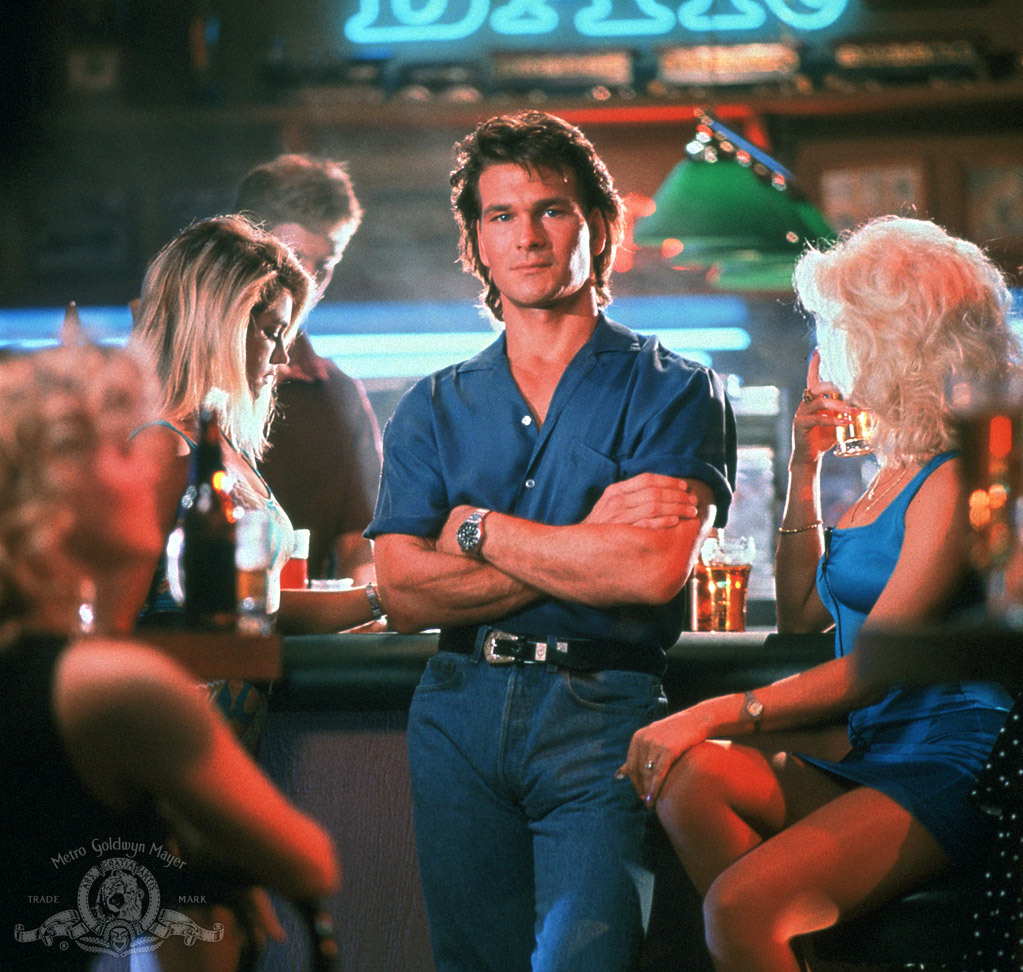
As Dalton, the philosophical bouncer with a degree in cooler management (not a real degree), Swayze combined Zen calm with devastating kicks. He practices tai chi shirtless by a lake. He rips throats. He dispenses advice like a barroom Socrates.
And then, when necessary, he absolutely destroys you.
Road House has since become an 80s touchstone. Endlessly quoted, endlessly rewatched, and beloved precisely because it takes itself just seriously enough.
It is the cinematic equivalent of a mullet: business in the front, party in the back, and completely confident about it.
Swayze made it work because he believed in it. He never played roles with ironic distance. He didn’t smirk his way through action scenes. If he was the best bouncer in Missouri, then by God, he was going to train like one.
That was the pattern. Hard worker. Always prepared. All in.
A Real Love Story
It was his life outside Hollywood that bears examination, starting with his relationship.
In an industry known for marriages that last about as long as a press junket, Swayze did something almost unheard of.
He married Lisa Niemi in 1975… and that was it.
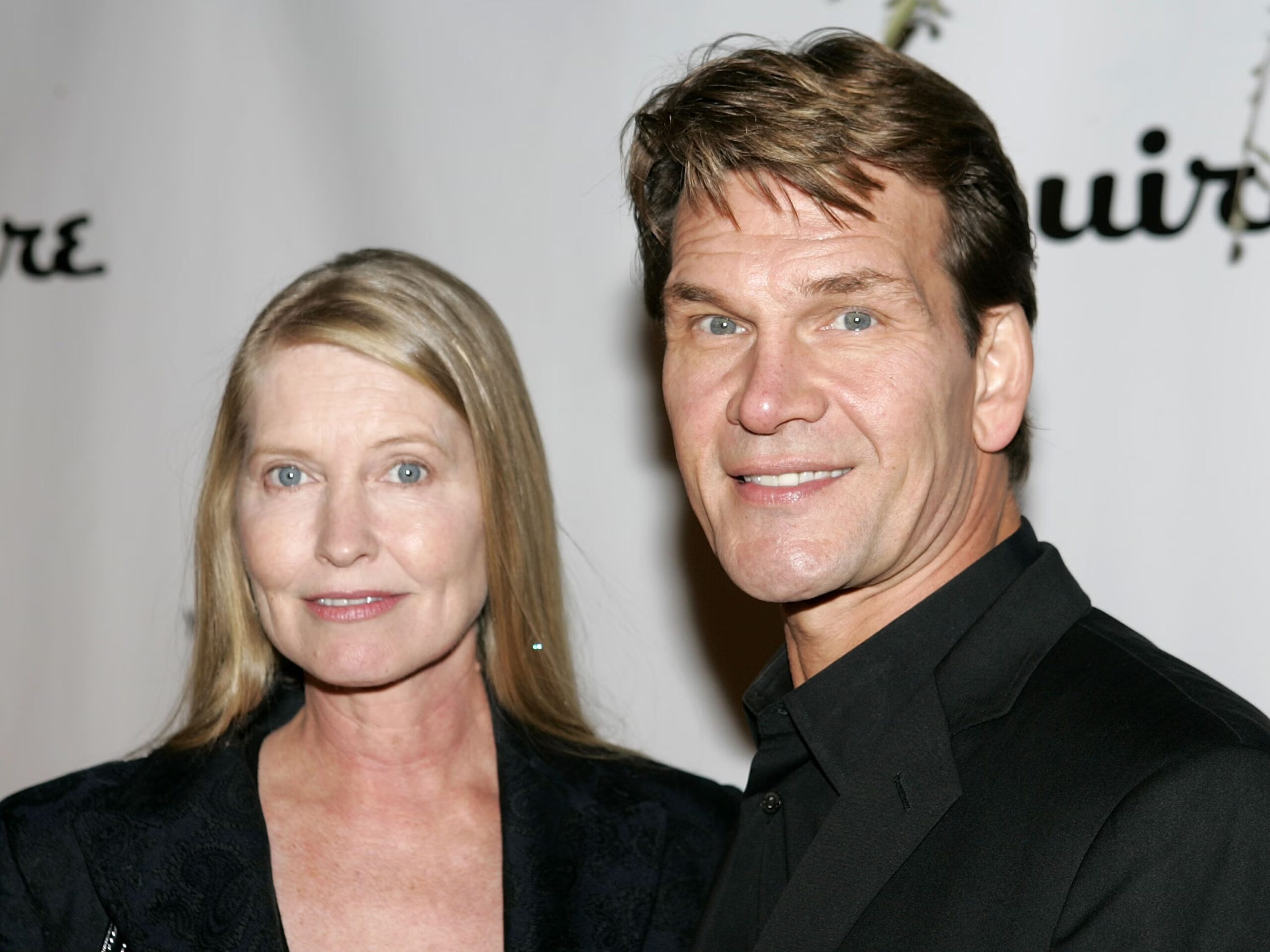
No revolving door of starlets. No tabloid-fueled drama. No Vegas “oops” weekends. They were together for 34 years until his death.
By all accounts, it was the real thing. They met as teenagers when she took dance lessons from his mother. They stuck together through lean years, superstardom, injuries, flops, and finally, illness.
Hollywood often eats its own. Swayze built a fortress around his personal life and guarded it fiercely. Loyalty wasn’t just a character trait he played on screen. It was who he was.
Unlike many actors who “escape” to Los Angeles, Swayze seemed to tolerate it as a necessary inconvenience.
When he wasn’t working, he lived on a ranch far from Hollywood’s noise, politics, and air-kissing nonsense. He bred Arabian horses. He rode. He worked the land. He preferred boots to loafers and wide-open spaces to industry parties.
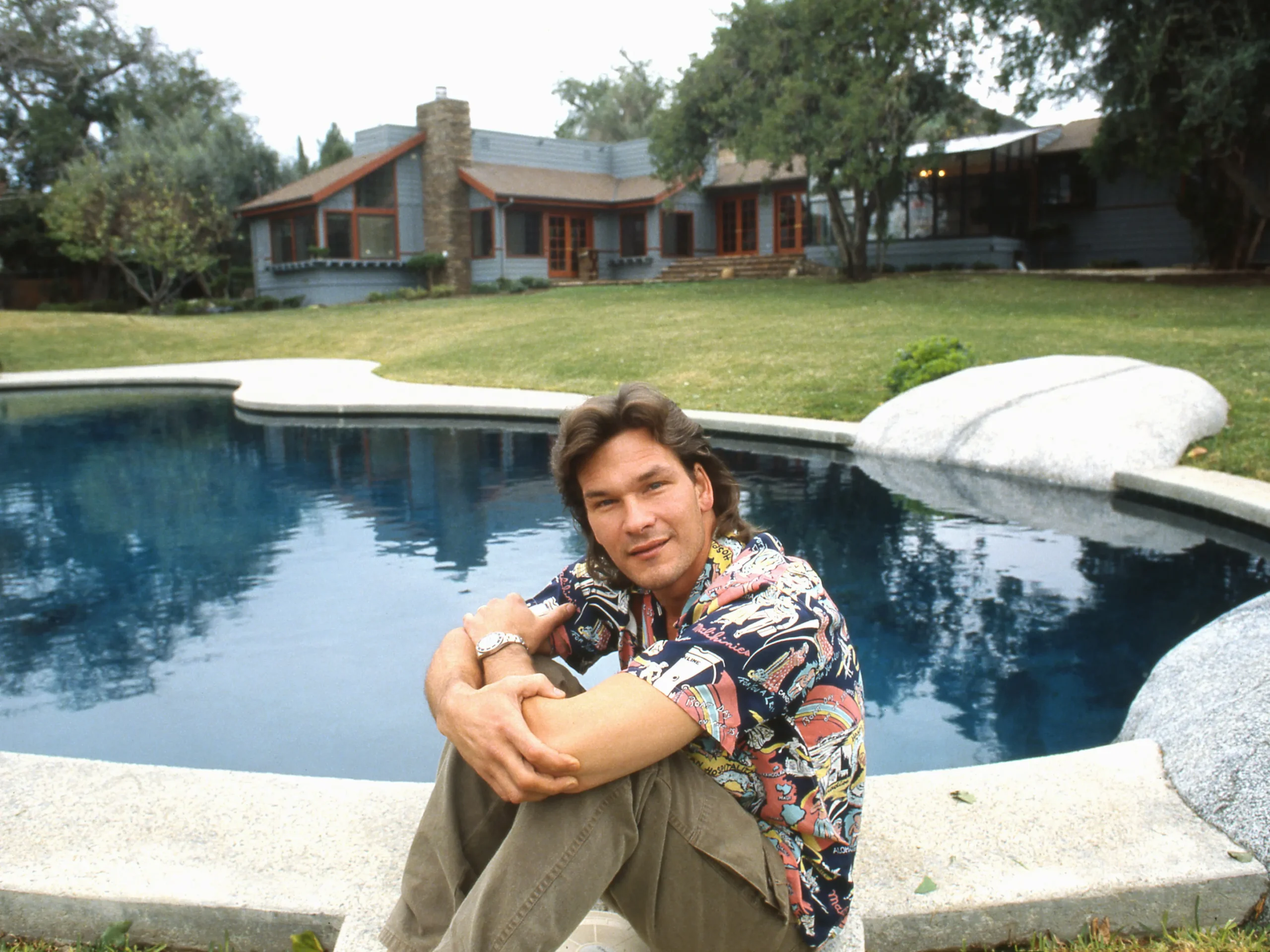
He was famous for having no patience for Hollywood posturing. He didn’t chase trends. He didn’t rebrand every six months. He wasn’t trying to become a lifestyle brand.
He showed up. He did the work. He went home.
It’s part of what made him feel like he existed slightly apart from the machine.
If the 80s made him a star, the early 90s cemented him as something bigger.
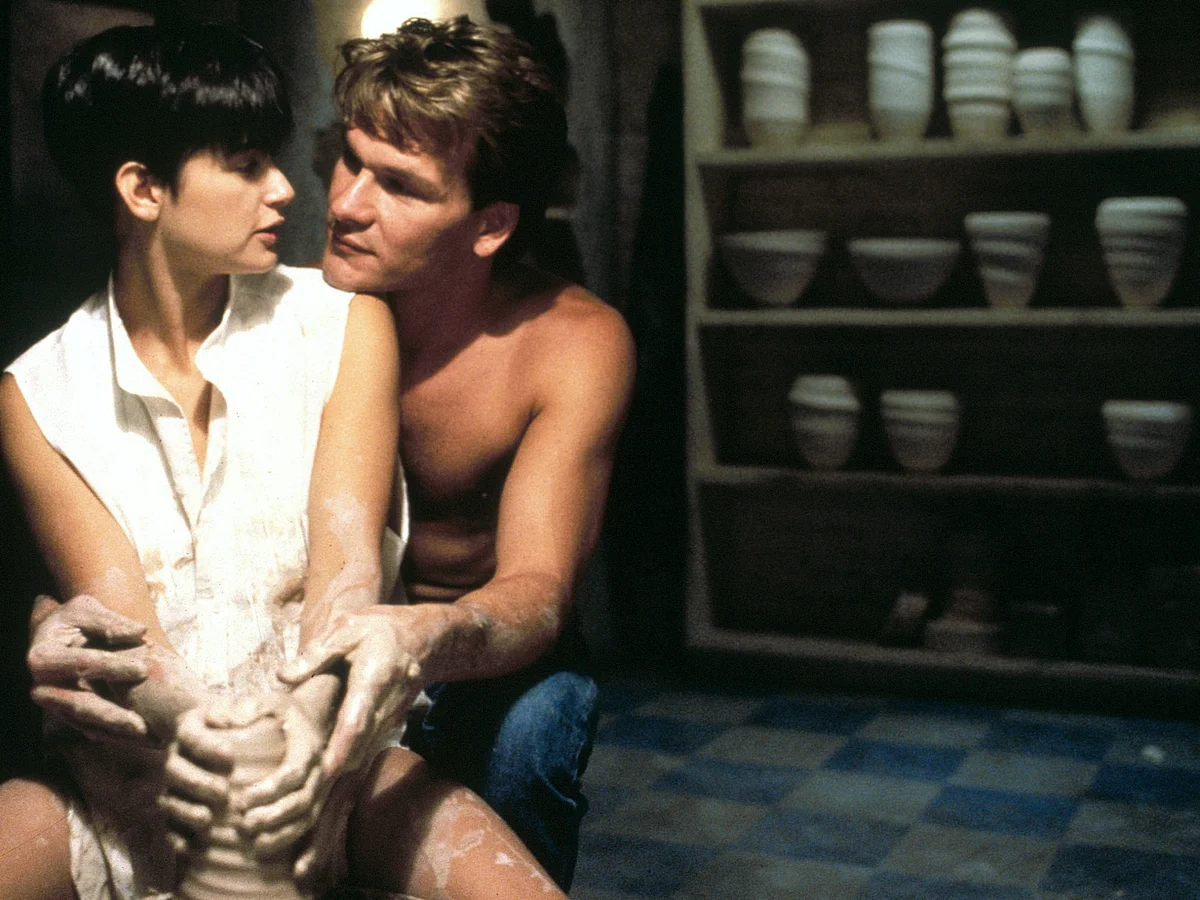
1990’s Ghost paired him with Demi Moore in a supernatural romance that nobody expected to dominate the box office. It did. Hugely.
Swayze proved he could carry grief, tenderness, and longing just as convincingly as he could carry a bar fight.
Then came Point Break, where he played Bodhi. A surfer philosopher, adrenaline junkie, criminal visionary. It could have been ridiculous. In lesser hands, it would have been.
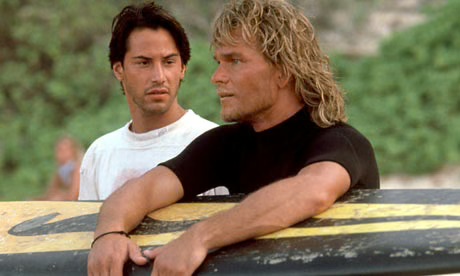
But Swayze gave Bodhi conviction. He made him almost mythic. You understood why people followed him. You almost wanted to grab a surfboard and rob a bank.
Swayze’s career wasn’t without bumps. He had injuries. He had box office disappointments. He had moments when Hollywood decided he was “so last decade.”
He didn’t complain.
He trained through pain. He did his own stunts when possible. He approached even smaller roles with the same seriousness he brought to Dirty Dancing. Directors and co-stars consistently described him as professional, prepared, and kind.
Nice guy. Not fake nice. Texas nice. And loyal, to friends, to collaborators, to his wife.
The Bastard Illness
In 2008, Swayze was diagnosed with pancreatic cancer. This is one of the most brutal diagnoses in medicine.
He didn’t retreat quietly.
Instead, he continued working, starring in the television series The Beast. Even while undergoing treatment, even while visibly thinner, he showed up.
No self-pity tour. No dramatic public meltdowns. He acknowledged the fight ahead and kept going.
At the time, critics were beginning to reassess him. The heartthrob label was fading, replaced by something more substantial.
There was talk, serious talk, about him entering a late-career phase as a respected character actor. A man who had lived enough to bring new weight to the screen.
His role in Donnie Darko had hinted at much more to come.
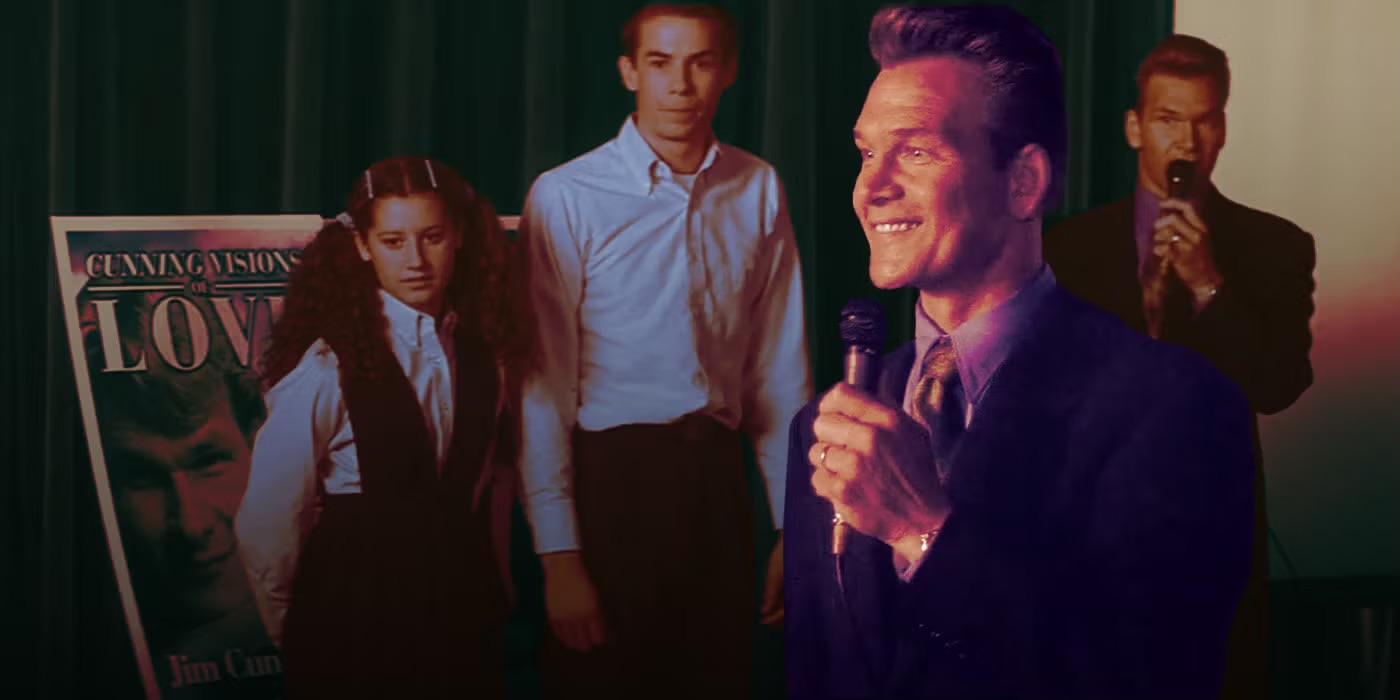
And then, in 2009, at just 57 years old, the illness took him.
It felt unfair. Because it was. Patrick Swayze didn’t chase awards. He didn’t cultivate mystique. He didn’t manufacture scandal. He didn’t live for Hollywood.
He worked hard. He loved his wife. He went home to his ranch. He stayed out of the nonsense.
And yet he left behind quite an astonishing range of work for what felt like a truncated career:
- Cold War patriot guerilla.
- Romantic dance icon.
- Vengeful hillbilly.
- Zen bouncer.
- Ghostly lover.
- Surf-philosopher outlaw.
He could waltz. He could fight. He could brood. Most importantly, he could sell sincerity without irony. This is something that feels almost extinct today.
Most of all, he felt authentic. In an industry built on illusion, that’s rare.
The 80s had many stars. But only a handful felt carved out of something real, and Patrick Swayze was one of them.
Now, if you’ll excuse me, I am going to practice tai chi by a lake and remind everyone, very politely, to be nice.

