


It is a particular kind of British nonsense that something can begin life in a pub and go on to become a cultural institution.
In this sometimes strange little island off the North Coast of Europe, if it is not powered by tea, it is powered by alcohol. Many good stories start life in a pub, then involve the phrase:
“Oi, lads! Watch this!”
Before ending up in hospital. Good times!
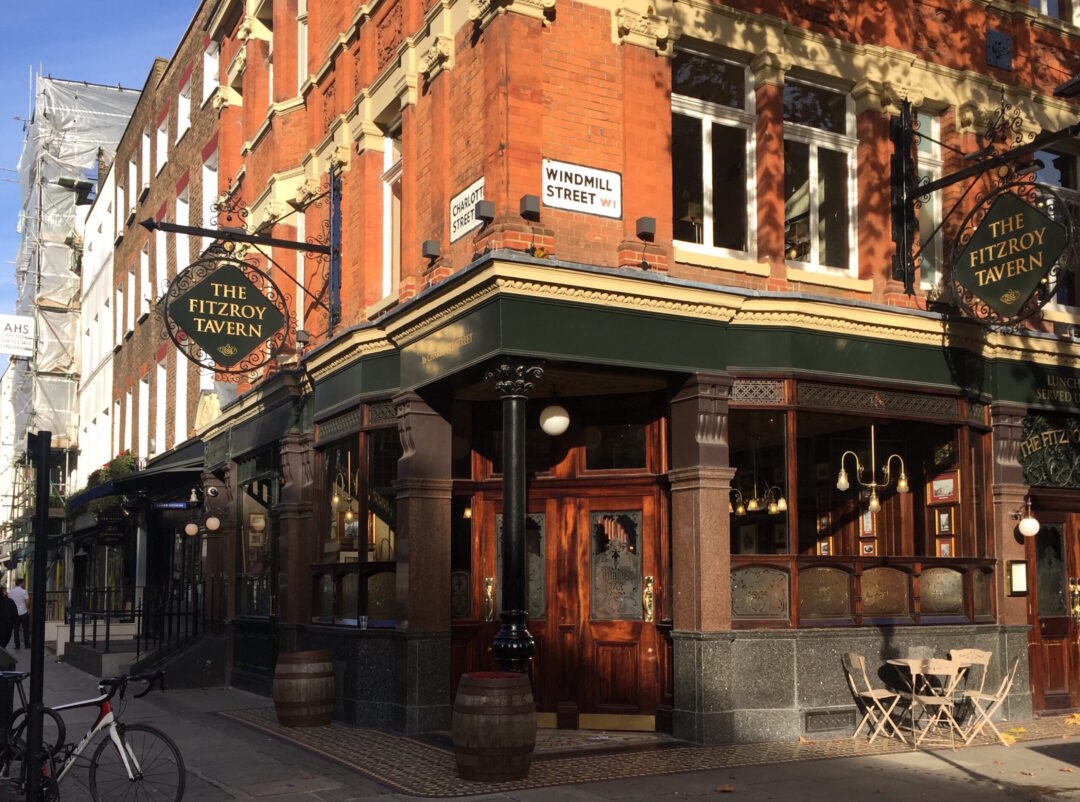
One pub should probably be better known in the world of culture – The Fitzroy Tavern. Why is this?
Because the pub became a legendary 20th-century hub for the city’s artists, writers, and bohemians. It was so influential between the 1920s and 1950s that it gave its name to the surrounding district of Fitzrovia.
Famous writers like Dylan Thomas, George Orwell, and George Bernard Shaw drank and met here.
Renowned artists like Augustus John, Jacob Epstein, and “Queen of Bohemia” Nina Hamnett used the pub as their local base. Even eccentric figures like Occultist Aleister Crowley added to the pub’s wild reputation.
A group of people gather over several pints. They discover they have similar tastes, similar politics, similar friends and, crucially, similar opinions about how something ought to be done.
Eventually, somebody gets a job. Then another gets a job. Then another gets a job. Before you know it, the very thing they were all sitting in the pub complaining about has been handed over to them.
This is exactly what happened with the “Fitzroy Clique” – and it would go on to destroy a well-loved television show.
The Fitzroy Clique
Just the other day, we were again discussing the downfall of Doctor Who, and attempts to revive it.
In the Disqus, the Fitzroy Clique were mentioned, and it is such a fascinating tale of artistic hubris, amplified by an echo chamber, self-sealed from conflicting influence, that I thought some more Outposters might like to know more.
Why is this something for a website that talks about movies, TV, streaming, and entertainment? Because something big started, or re-started, in this pub.
Then it grew into something massive, before the same forces reduced that something to rubble and dust. You know, a tale as old as time.
So what the heck am I dribbling on about? Well… are you sitting comfortably? Then I will begin.
Our story starts with a group of hardcore Doctor Who fans who happened to spend a lot of time drinking together at the Fitzroy Tavern in London during what was called the wilderness years. These were the years after the BBC took Doctor Who off the air.
This group would subsequently became extraordinarily influential in the world they had spent years discussing over beer. Because this isn’t really a conspiracy. Conspiracies require minutes, spreadsheets and somebody in a cloak. This was much more British than that. This was networking… with pints.
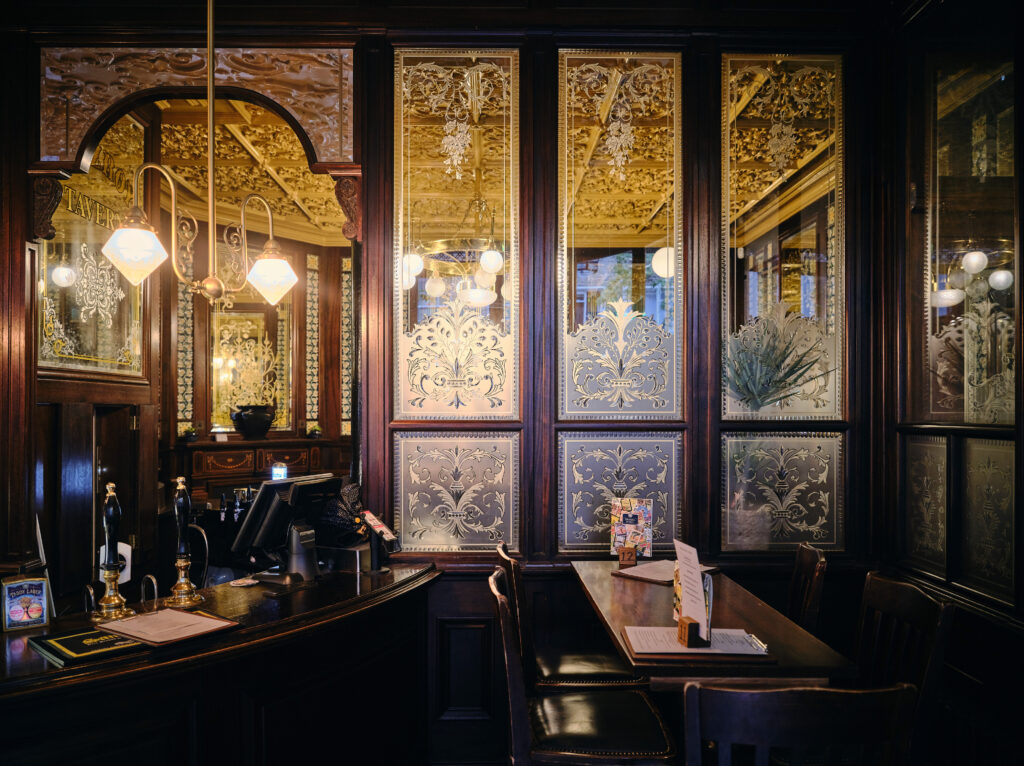
This was the pub where Doctor Who was essentially kept alive on life support. The Fitzroy Tavern was, as already discussed, a pub with a reputation as a bohemian haunt.
A particular generation of fans began gathering there, but this wasn’t just a collection of blokes arguing about whether the Cybermen were better in Tenth Planet or Tomb of the Cybermen. These were serious people in the world of media.
Paul Cornell, future revival showrunner Russell T Davies, future showrunner Steven Moffat, League Of Gentlemen member, writer, and future Who star Mark Gatiss, Nicholas Briggs, future showrunner Chris Chibnall, Robert Shearman, Gary Russell, and many more who would go on to become important figures in Doctor Who, Doctor Who spin-offs, the novels, audio dramas, comics and television.

The gathering became a kind of unofficial writers’ room for a programme that didn’t actually have a writers’ room, or indeed a programme.
The Fitzroy story should be great, because Doctor Who had been cancelled, but the fans didn’t accept that it was dead. They kept writing it. They kept discussing it. They kept publishing it. They kept making audio adventures and books.
The Virgin New Adventures became particularly important, pushing the Seventh Doctor into considerably more adult and experimental territory.
Several of the writers involved were part of the same broad Fitzroy milieu. As future showrunner Steven Moffat later put it, the group wondered whether they were “keepers of the flame” or merely moths circling it.
This all sounds rather romantic, and actually, it was. Without these people, Doctor Who might genuinely have faded into the cultural wallpaper. The problem came later. Because eventually the moths got the keys to the light switch.
From Fandom to the Corridors of Power
The genius of the Fitzroy generation was that they didn’t merely like Doctor Who. They understood that Doctor Who could be made relevant again. So they wrote, they networked, they created, they got published, they got commissions.
Then – JACKPOT! – Russell T Davies was given the job of bringing Doctor Who back to television in 2005.
He didn’t arrive cold. He arrived with an enormous Rolodex of people he knew, and people he had worked with. These were people whose writing he liked. These people had been sitting with him in the Fitzroy discussing Doctor Who for years.
Let’s be clear. They were bloody good. That needs saying. Because the argument about the Fitzroy Clique becomes rather silly if it pretends every person associated with it was talentless.
Russell T Davies is a hugely accomplished television writer. Steven Moffat too, and he delivered some notable shows over decades. Mark Gatiss and Paul Cornell also have enviable resumes. Robert Shearman can really write. One of the crowd, Gareth Roberts, could write Doctor Who extremely well.
The problem isn’t that a bunch of incompetent people somehow stole Doctor Who. The issue is that a group of extremely talented people spent an extraordinarily long time occupying the same creative ecosystem, and Doctor Who gradually began to feel less like a television programme that happened to employ them and more like a cultural object that belonged to their generation.
The pub had become the institution – The Fitzroy School of Doctor Who. And here is where things get interesting.
The Fitzroy generation didn’t simply inherit Doctor Who. They had spent years thinking about what Doctor Who should be, and this distinction matters, because if you spend fifteen years sitting in a pub discussing how you would fix something.
Eventually you stop being entirely sure where the line is between “the thing I love” and “the thing I would have made.”
The wilderness years had given them enormous freedom to reinvent the programme in fiction. The Doctor could become darker. More adult. More emotionally tortured. More political. And this is where the trouble started.
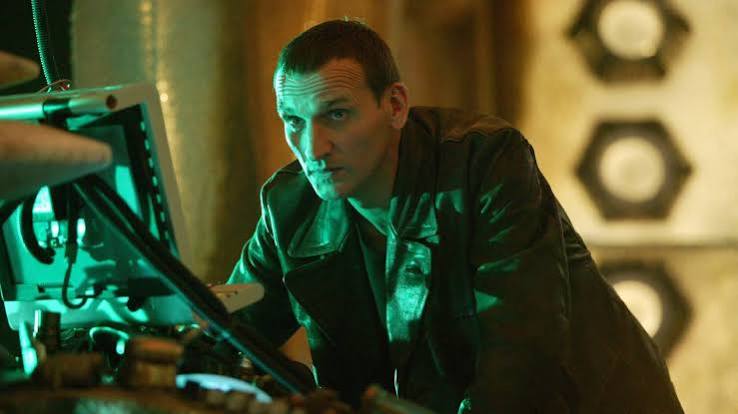
Also, when you are doing clever writing, sometimes it is hard to stop yourself making sure the reader had noticed just how clever the writer was being.
The Virgin New Adventures were often terrific. They were also a product of their time, written by people who had grown up with Doctor Who, gone to university, moved to London, become writers and developed their own cultural worldview shaped by exactly that.
When they eventually got the television programme, they naturally brought that worldview with them. That’s not inherently bad. Every showrunner does it.
The problem is what happens when one generation’s worldview becomes the default definition of what Doctor Who is allowed to be.
Suddenly, Doctor Who isn’t just a science-fiction adventure series. It’s about you – the writer. Your relationships, your politics, your sexuality, your childhood trauma and social anxieties.
Eventually, almost by accident, the subject of the writing becomes your personal identity, with your worldview and your emotional baggage. From there, the audience is invited to admire the writer for having the correct worldview while the Doctor wanders around carrying the narrative equivalent of a tote bag from the London Review of Books.
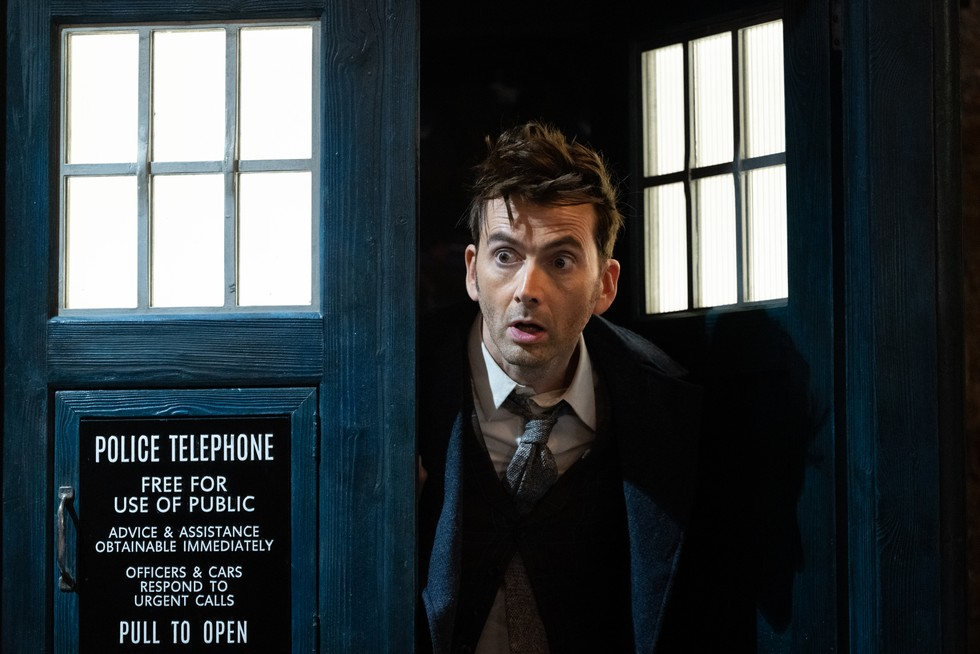
Doctor Who, despite being made in Wales, became a very particular sort of London.
There was always politics in Doctor Who, obviously. It was politically aware from the beginning, taking swipes in equal measure at bureaucracy, militarism, capitalism, imperialism, environmental destruction and authoritarianism decades before Twitter discovered the quote-tweet.
But there is a difference between a programme having political themes and a programme becoming increasingly interested in the politics of its creators.
The Fitzroy generation emerged from a very particular cultural melting pot – London, theatre, television, literature, alternative comedy, bohemianism.
You can’t ignore the student union shaped elephant in the room.
It was only ever going to be soaked in left-wing politics. A certain kind of metropolitan liberalism and a certain kind of intellectual self-confidence, with a belief that progressive ideas were not merely political positions but evidence of being one of the good people.
Bourgeoisie, Metropolitan, Liberal
Again, none of this is unique to Doctor Who. But once the same generation controls the franchise across television, books, audio, spin-offs and fan culture, their particular sensibilities can become self-reinforcing… and this is where the word “gatekeeper” starts becoming useful.
Not because there was a secret Fitzroy committee sitting around a table deciding who was allowed to write Doctor Who. There wasn’t, yet creative industries are networks. People recommend people they know, and editors commission writers they trust. On television, showrunners hire writers whose work they understand, and producers bring back people who have already delivered.
And suddenly the same creative circle keeps circulating through the same doors over and over again. RTD, then Moffat, then Chibnall, then RTD again.
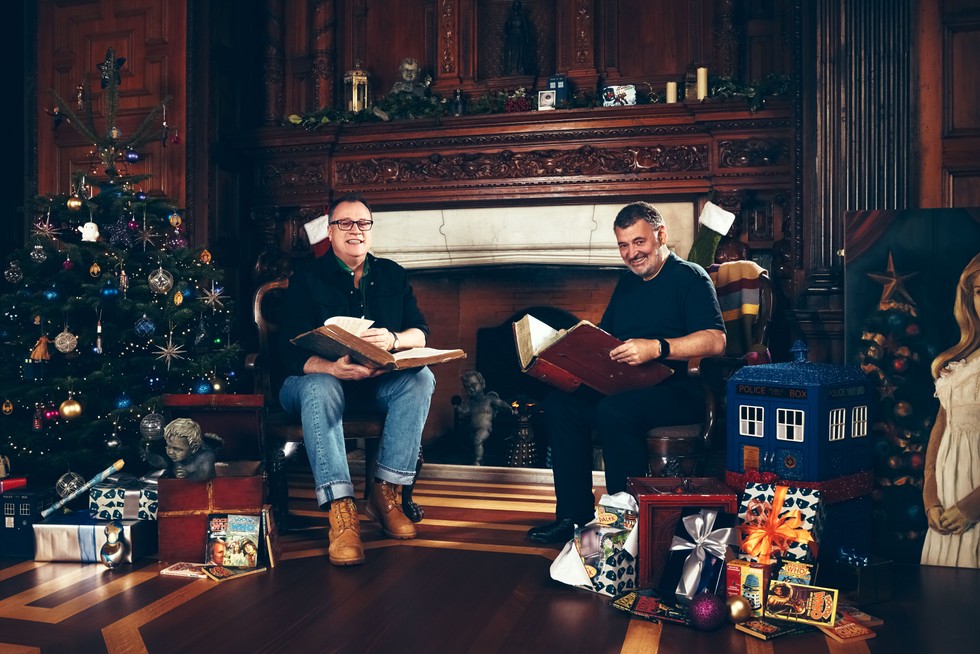
Around and around we go, less Doctor Who and more The Fitzroy Cinematic Universe. It was surely only a matter of time before the next regeneration emerged from behind a bar with a pint of Fullers.
Which brings us to Gareth Roberts. Roberts is particularly interesting because he wasn’t some outsider who wandered into Doctor Who and immediately started shouting at the sky. He was part of the broader Doctor Who writing establishment.
The rundown of episodes he wrote is impressive. The Shakespeare Code, The Unicorn and the Wasp, The Lodger, Closing Time, The Caretaker. He wrote novels and other Doctor Who material.
He was, by any reasonable measure, one of the more successful writers of the modern era, right up until the moment he became politically inconvenient.
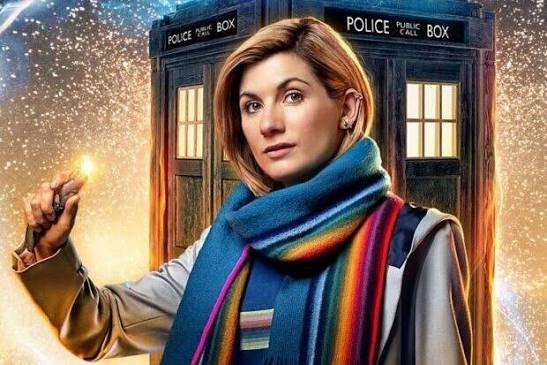
In 2017, Roberts posted a some tweets about transgender people which were widely condemned as offensive.
In 2019, BBC Books dropped his commissioned story from Doctor Who: The Target Storybook after the controversy, with other contributors publicly raising objections to his inclusion. Roberts defended his position and argued that his views should not prevent publication of unrelated creative work.
This is important because the simplistic version of the story is:
“Gareth Roberts disagreed with the Fitzroy Crowd, so they blacklisted him.”
That’s much neater than reality. There is no evidence of some secret Fitzroy tribunal where Moffat banged a gavel and declared Roberts an enemy of the Whoniverse.
What we do know is that Roberts became controversial because of his views, other contributors objected to his inclusion in the anthology, and the publisher decided to remove his story.
But culturally, it was revealing because Doctor Who had increasingly become a franchise in which the distinction between the values expressed by the show and the values expected of the people making the show had become blurred.
You could be a writer, you could be talented, you could have written some of the funniest and most enjoyable Doctor Who stories of the modern era, but there was increasingly an understanding that there were certain positions you weren’t supposed to occupy and Roberts had stepped outside the perimeter.
And the gates closed behind him.
So, eventually, the Fitzroy Clique’s greatest achievement was also their eventual weakness. They kept Doctor Who alive, then they resurrected it, then they ran it.
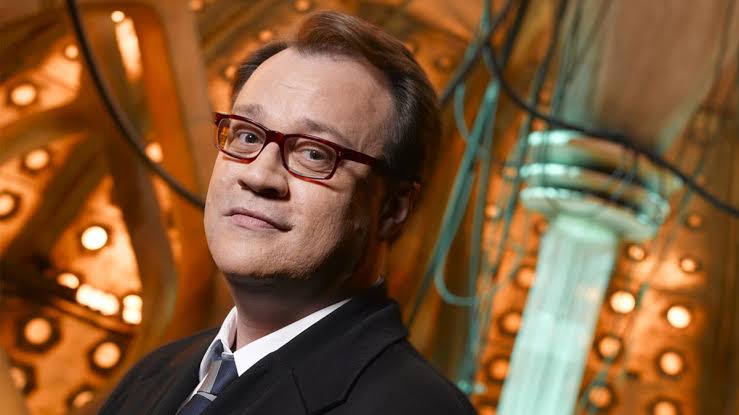
They handed it back and forth between themselves, and because they had been there during the wilderness years, there was a powerful sense that perhaps they had earned the right. But Doctor Who was never supposed to belong to the people who saved it, it belonged to the audience.
This is the uncomfortable bit.
Doctor Who is an unusually promiscuous television programme, in that it has always absorbed people and things. Different writers, different generations, different tones and different platitudes.
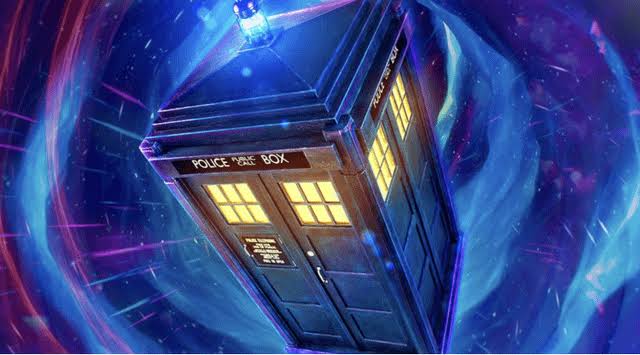
The show survived for so long, and managed to come back storming, precisely because nobody owned it. Sure, the BBC owned the copyright, but everyone else merely borrowed the TARDIS. The Fitzroy generation arguably forgot that distinction.
They spent so long imagining what Doctor Who would be if they were in charge that, once they actually became responsible for it, their version of Doctor Who could start feeling like the only legitimate version, and that’s dangerous for any long-running franchise.
Look at the differences of opinion around here about something like the James Bond franchise?
Now imagine how short the ongoing life expectancy of one of cinema’s longest running and most successful franchises would be if the creatives became seemingly locked on a single creative vision forevermore. Long-running things have to change and flex. It is why they are long-running.
The problem with Doctor Who seems to be that once the people running a thing begin believing that their interpretation of the thing is the thing itself, dissent becomes heresy, and heresy is a very inconvenient thing when you’re trying to maintain a writers’ room.
The show became increasingly about the people making it, and this is where modern Doctor Who eventually became exhausting for some viewers.
The politics weren’t necessarily the problem. As we have already said, Doctor Who had always had politics. The representation wasn’t necessarily the problem. Doctor Who had always had diversity.
The problem was the increasing sensation that the programme wanted to talk AT you about those things.
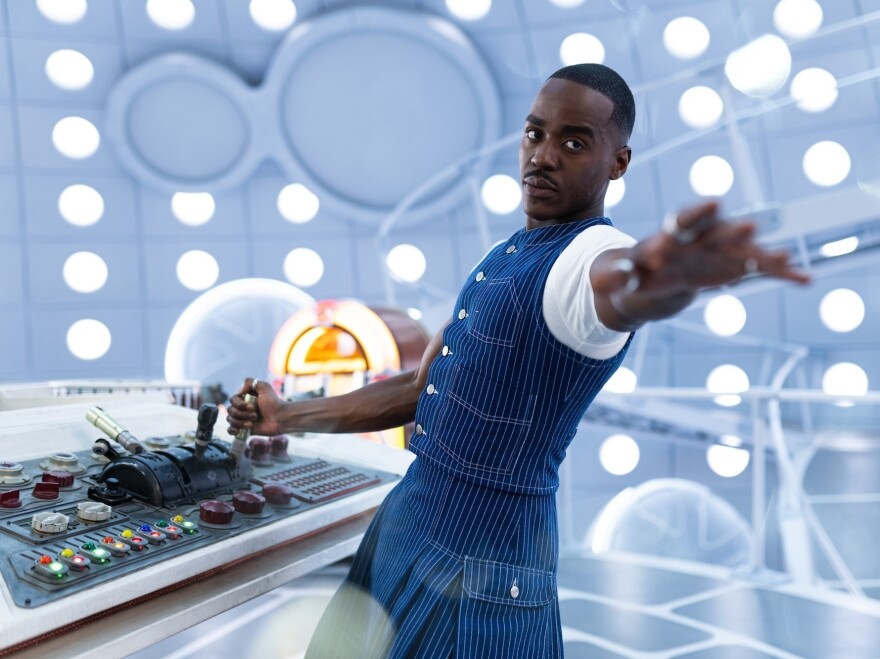
The Doctor increasingly became less of a strange alien wandering through time and space and more of a delivery mechanism for the emotional, social and political concerns of the people writing him.
The show became increasingly self-conscious, increasingly interested in identity, and increasingly interested in declaring what it believed while being increasingly convinced that the audience should believe it too.
It is a peculiar fate for a programme whose central character is literally an alien daft old man who steals a magic box.
Doctor Who was once the show where the universe was enormous and mysterious, but the universe began to feel rather smaller because this clique insisted that everything kept coming back to us. Our politics, morality, trauma, relationships and, fatally, our contemporary culture wars.
It felt like the TARDIS could travel anywhere in creation, provided it remembered to stop off at North London first for an attitude adjustment.

The really tragic thing is that the Fitzroy Clique probably loved Doctor Who more than most people ever will. They also made some genuinely brilliant television.
The sadness comes from the fact that after passing Doctor Who around among themselves for so long, they lost sight of just about everything else outside their bubble.
While writing this, I have become even more sad at what really does seem like a genuine television tragedy. It slowly became all about them, and now it is dead… again.
Luckily, it is about a main character who can regenerate into something new.

