


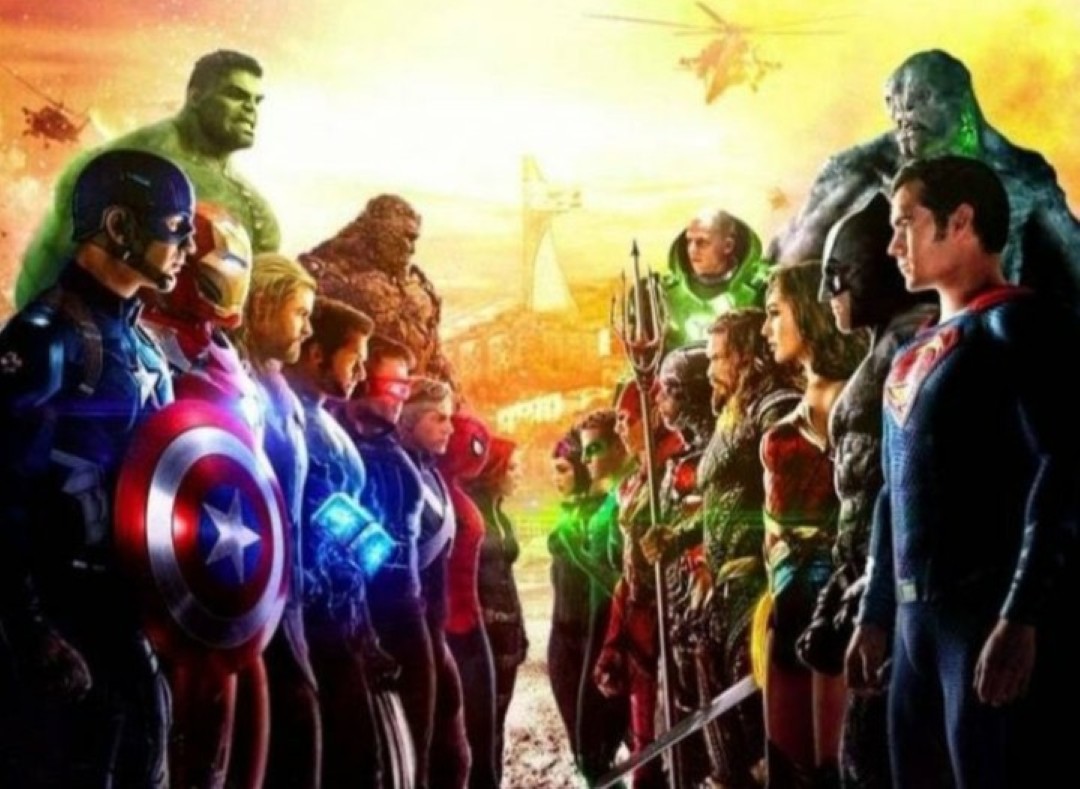
One of the most discussed stories here at the Last Movie Outpost in the past two weeks has been the departure of James Gunn and Peter Safran as co-CEO’s of DC Studios in the wake of the Skydance acquisition. I have frequently found myself drafting an article about the fallout from that, then within hours drafting another one about how Marvel’s upcoming Avengers: Doomsday is tracking to be one of the biggest cinematic events of all time.
The juxtaposition is jarring, and every single time it makes my brain start to turn at a million miles an hour about just what is it that DC keeps getting wrong, and Marvel keeps getting right.
Well, bad luck everyone, because I decided to right down my brain farts and share them with you… again!
It really is an interesting question. One that Hollywood, with its ingrained moronism and complete inability for self-reflection, repeatedly fails to ask itself…
…Just how the hell did Marvel turn a collection leftovers into the biggest entertainment franchise on the planet, while DC somehow managed to turn Batman, Superman and Wonder Woman into an ongoing exercise in corporate self-harm?
DC had the head start, and it wasn’t even close. It owned the most recognisable superheroes in the world, a library of legendary villains, decades of established mythology and enough material to run a franchise that had staying power.
Marvel, meanwhile, was scraping around for whatever characters hadn’t already been sold off to rival studios. Sony had Spider-Man, Fox had X-Men. Marvel had a space Norwegian and some drunk in a metal suit. Yet one company built an empire. The other spent fifteen years repeatedly re-laying its own foundations and the burning them down.
Now, you are Outposters. You are superior online movie beings, that is why you are Outposters. So you are already way ahead of me here and understand that this was both a commercial and a creative difference.
Marvel Had A Plan, Warner Had A Spreadsheet
Marvel’s greatest advantage was Kevin Feige. Not only had he come up through the system, working alongside Avi Arad on the Raimi Spider-Man movies and the Fox X-Men adventures, but he was also a a lifelong comic-book enthusiast. He understood both the material, and the mechanics of filmmaking beyond the production on set. This is a powerful combination.
There was also a fluke. Marvel Studios got going before it was acquired by Disney. As a result of timing, Feige was gifted something almost unheard of in modern Hollywood: the opportunity to develop a long-term creative strategy without having every decision overturned by whichever executive had just arrived from a completely unrelated industry.

When Disney acquired Marvel in 2009, it largely allowed the existing operation to continue. Feige and Marvel Studios had a vision, and Disney somehow came to understand that occasionally the best thing a corporate parent can do is leave the people who know what they’re doing alone. It seems unbelievable now.
Warner Bros. took almost the exact opposite approach.
Over the years, DC endured a procession of executives, reorganisations, corporate acquisitions and strategic U-turns. Every new management team seemed to arrive with a fresh vision, usually involving throwing away whatever the previous management team had spent several hundred million dollars creating.
Kevin Tsujihara, AT&T, Walter Hamada, David Zaslav. The names changed, the strategies changed, and the continuity became increasingly theoretical. By the time James Gunn and Peter Safran arrived, DC’s cinematic universe had become less of a franchise and more of an archaeological dig.
Then, while Marvel played the long game, DC’s overlords wanted the money by Friday. Marvel’s original strategy was beautifully simple. Introduce the characters individually, let audiences get to know them, and gradually bring them together.
Iron Man arrived in 2008. The Incredible Hulk followed. Then came Thor and Captain America. Post-credits stingers provided the merest of hints of a connected world. Iron Man 2 then started to pull it all together. By the time The Avengers assembled in 2012, audiences had spent four years getting acquainted with these characters, and excited about the threads binding them together.
There was an emotional investment. We understood Tony Stark, knew Steve Rogers and had a reasonable idea why Thor was wandering around Earth looking for his hammer. Warner Bros. watched The Avengers make a fortune and apparently concluded that the important bit was the money, not the four years of groundwork.
A promising start in the form of Man Of Steel was immediately forced into team-up mode via Batman v Superman: Dawn Of Justice. Just the second major instalment of the DC Extended Universe and here we have Batman, Superman, a special guest appearance from Wonder Woman, Doomsday, the death of Superman, and the foundations for the Justice League. In a little over two hours.
Seriously? What the fuck did you think you were doing, Warner Bros? It wasn’t so much a movie, as a corporate PowerPoint presentation that had somehow escaped into cinemas by itself.
Imagine inviting someone on a first date and then introducing them to your parents, announcing your engagement and presenting them with a mortgage application to sign just as the starters arrive. That was Warner’s approach to universe building. So, of course, it was an absolute clusterfuck.
Gods, Monsters And An Identity Crisis
There is also a fundamental difference between Marvel and DC’s characters.
Marvel’s heroes tend to be ordinary people with extraordinary problems. Peter Parker is a teenager struggling with school, relationships and money. Tony Stark is a deeply damaged industrialist with a spectacularly unhealthy ego. Bruce Banner is a scientist who cannot trust his own body. They are superheroes, but they are recognisably human.
DC’s biggest characters operate on a rather different level. Superman is practically a benevolent deity. Wonder Woman is an ancient warrior princess. Batman is a billionaire detective who has turned childhood trauma into a full-time occupation.
They are mythological figures, and that requires a slightly different approach. The problem with Zack Snyder’s DC films was not simply that they were dark. Batman has always worked particularly well in dark stories. The problem was that Warner Bros. seemed to decide that darkness was the defining characteristic of the entire DC universe.
Superman, arguably the most optimistic character in popular culture, became a brooding alien who appeared to regard humanity as an unfortunate administrative responsibility. The studio seemed unable to understand that different characters require different storytelling approaches.
Marvel managed to accommodate street-level crime fighters, cosmic adventures, Norse mythology and a talking raccoon. DC couldn’t work out how to put a man who flies and a man who dresses as a bat in the same room without everyone looking miserable.
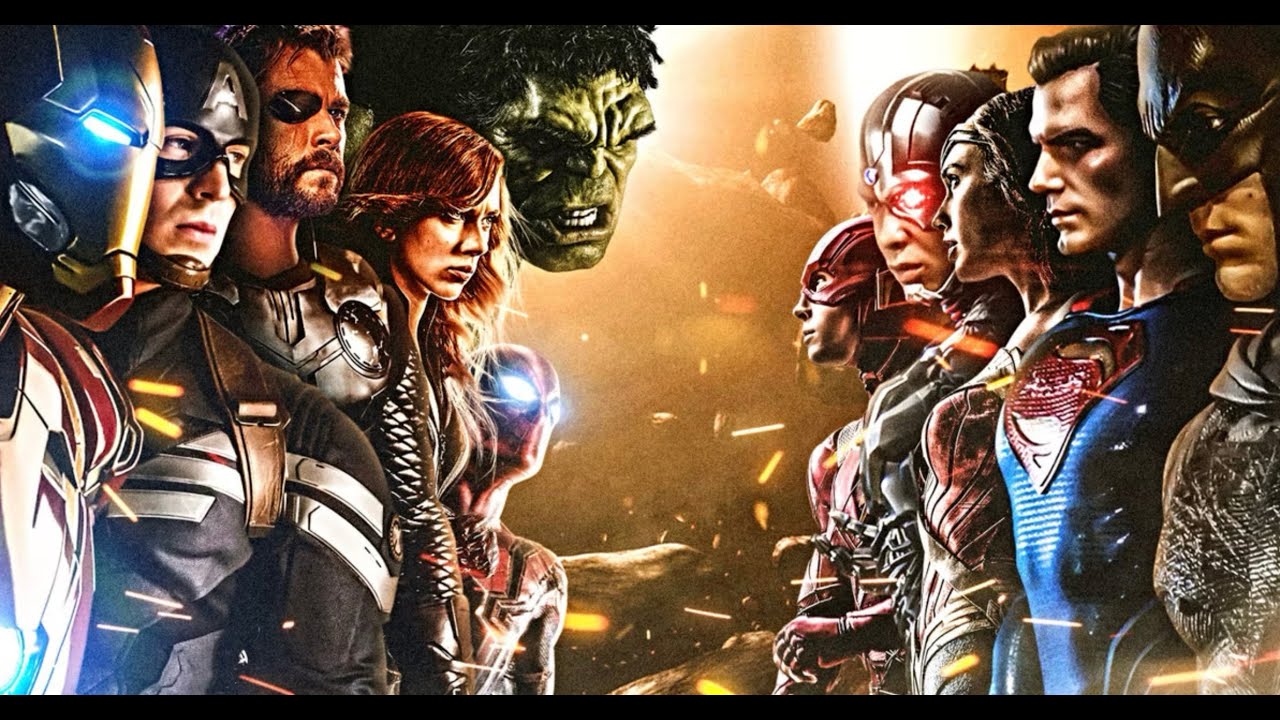
Another crucial distinction was the relationship between the studios and their filmmakers. Marvel developed a relatively consistent creative framework. Directors could bring their personalities to individual films, but they were working within an established architecture. Color inside the lines.
The Russo brothers, Jon Favreau, James Gunn, and Peyton Reed all brought different strengths to the table, but the overarching direction remained recognisable.
Warner, meanwhile, handed Zack Snyder enormous creative responsibility for the DCEU.
Snyder has a distinctive visual style and a loyal following. His films are visually striking, often ambitious and certainly not short of slow-motion photography. But his approach was always going to divide audiences. When Batman v Superman failed to deliver the enormous Avengers-level commercial numbers Warner expected, the studio panicked. This coincided with a family tragedy for Zack Snyder.
Rather than allowing the franchise to develop or making a considered adjustment, Warner embarked on an extraordinary reactive rescue operation involving Joss Whedon, extensive reshoots and the infamous digital removal of Henry Cavill’s moustache.
The resulting Justice League was a horrific cinematic Frankenstein’s monster, with two competing visions fighting for control of the same running time.
Marvel had discovered how to maintain creative consistency. Warner had discovered how to make a movie look like two different ones had been coerced on a blind date.
DC: Better By Television
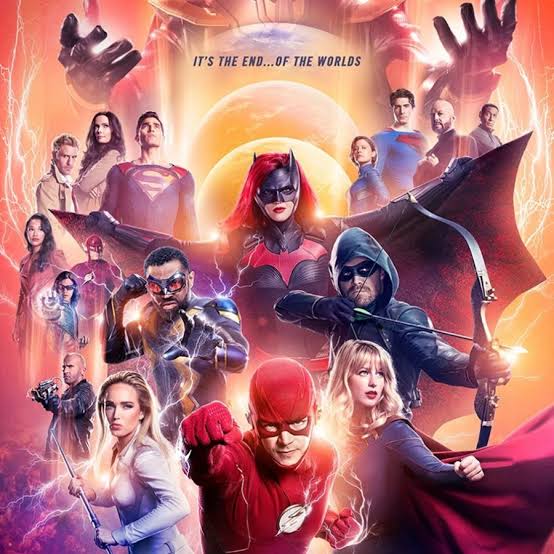
There is an especially embarrassing irony here. While DC struggled to establish a coherent cinematic universe, it managed to build one of the most ambitious shared superhero franchises in television history through Greg Berlanti’s Arrowverse. Arrow, The Flash, Supergirl and Legends of Tomorrow connected over more than a decade.
The budgets were modest, the visual effects occasionally looked as though they had been completed on someone’s home PC, and some of the costumes appeared to have been purchased during a particularly disappointing Halloween sale. But it worked.
Characters developed over multiple seasons. Relationships evolved. Stories had room to breathe. And the crossover events delivered comic-book fan service that the movies could only dream about. Crisis on Infinite Earths even brought together multiple generations of DC television and film history.
Meanwhile, Marvel’s expensive Disney+ experiment demonstrated that having a cinematic universe doesn’t automatically make you good at television. Marvel had tried to take the lessons of cinema and applied them straight to television, then it seemed to forget how television actually worked.
DC’s other problem has been its increasingly fragmented audience. There are Snyder loyalists who want the original vision restored. There are Christopher Nolan devotees who prefer their Batman grounded in something resembling reality. There are traditional comic-book fans who want colourful, optimistic superheroes. And now there are audiences being asked to embrace yet another new beginning under James Gunn.
Marvel has its own problems, of course. The post-Endgame era has been an increasingly uneven collection of films and television shows, with audiences becoming rather less enthusiastic about the prospect of doing homework before watching a superhero movie.
Eternals was a turgid bore, Shang Chi didn’t quite find an audience, and The Marvels was a complete disaster. Meanwhile Captain America: Brave New World was twice the movie for half the box office, and Ant-Man 3 fizzled.
But what Marvel didn’t do was panic. Marvel’s original success came from giving audiences a relatively consistent experience, and they stuck with it, quietly adjusting past these bumps in the road.
DC would have run around with their hair on fire, screaming at everything, then smashed the whole thing into atoms and started again. Like idiots.

Funnily enough, DC’s greatest recent successes have arguably come from doing precisely the opposite of building a shared universe. Joker made over a billion dollars worldwide without needing a single appearance from another DC superhero. Matt Reeves’ The Batman put nearly $800 million on the board and demonstrated that audiences will turn out.
Here Comes Another Reboot?
Just when things appeared to be settling down, DC entered another period of corporate uncertainty. James Gunn and Peter Safran were appointed to establish a new DC Studios and deliver a fresh cinematic universe, beginning with Gods and Monsters. The intention was to provide something DC had conspicuously lacked: a coherent long-term plan.
But this is Warner Bros. Long-term planning is apparently something that happens to other companies.
With the arrival of Skydance and another major corporate reshuffle, questions are once again being asked about the future direction of DC. Gunn and Safran are out, Jeremy Latcham is in.
He is an experienced Hollywood producer, a former Marvel executive of note. This may provide Skydance some reassurance, but having someone who knows how to produce successful superhero films, with the spreadsheets and the logistics plans and the budgets, is not necessarily the same as having someone who knows what the next ten years of a superhero universe should creatively look like.
And that is the fundamental problem. DC doesn’t need another executive presentation, another PowerPoint plan and yet another collection of beautifully designed concept images.
It needs somebody to decide what the company actually wants to be and then stick with it long enough for audiences to start to care.
There is, perhaps, a rather obvious alternative that Warner/Skydance seems reluctant to embrace. Stop treating every DC character as a potential component in one enormous interconnected machine.
Let Batman be Batman. Let Superman be Superman. Let directors explore different interpretations without having to worry about whether a character appeared in a post-credits sequence three films earlier.
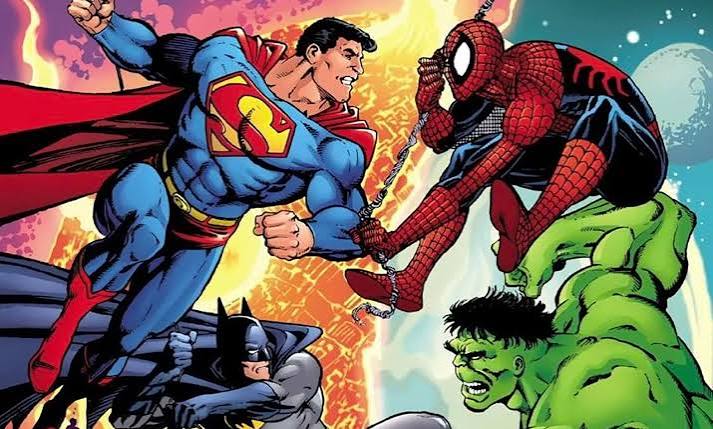
Marvel made interconnected storytelling its greatest commercial weapon. That doesn’t mean DC has to use the same weapon, particularly when it has spent years repeatedly shooting itself in the foot with it.
There is also the small matter of merchandising. Superhero franchises are not simply about cinema tickets. They are enormous licensing operations involving toys, clothing, games and every conceivable piece of plastic tat that can be sold to an eight-year-old.
George Lucas understood this decades ago when he secured the merchandising rights to Star Wars. A superhero brand needs to create characters that children actually want to spend time with, not just characters that look impressive in a three-hour cinematic funeral.
Marvel understood that audiences needed to fall in love with its characters before they could sell them an Avengers lunchbox. DC seems forever more interested in convincing people that Superman is a metaphor for something.
Perhaps the next executive to walk through Warner’s doors should consider a radical new strategy – Make good films. Tell entertaining stories. Respect the characters. Give audiences something to look forward to.
And, for the love of everything holy, whatever the hell you decide DC, stop rebooting the fucking thing every time somebody gets a new office.

