



There are certain cinematic constants in life. Gravity. Taxes. Jason Statham punching people.
You know that if Statham is in a movie, at some point he will punch a man with the kind of crisp efficiency normally associated with a well-run logistics company. This is not a bug. It’s a feature.
Statham has quietly become the patron saint of the mid-budget action movie. His fare is often straight out of the 1980s when video stores ruled the Earth and the phrase “from the producers of Cobra” was a legitimate marketing strategy.
His films are lean, punchy, and gloriously unpretentious. They know exactly what they are: a charismatic bald man solving problems with fists, kicks, and the occasional blunt object.
And bless him, Statham commits every single time.
That’s why Shelter (2026) is such an odd duck.
Not terrible. Not embarrassing. Certainly not unwatchable. But… strangely muted.
And “muted” is a worrying adjective for a Jason Statham movie.
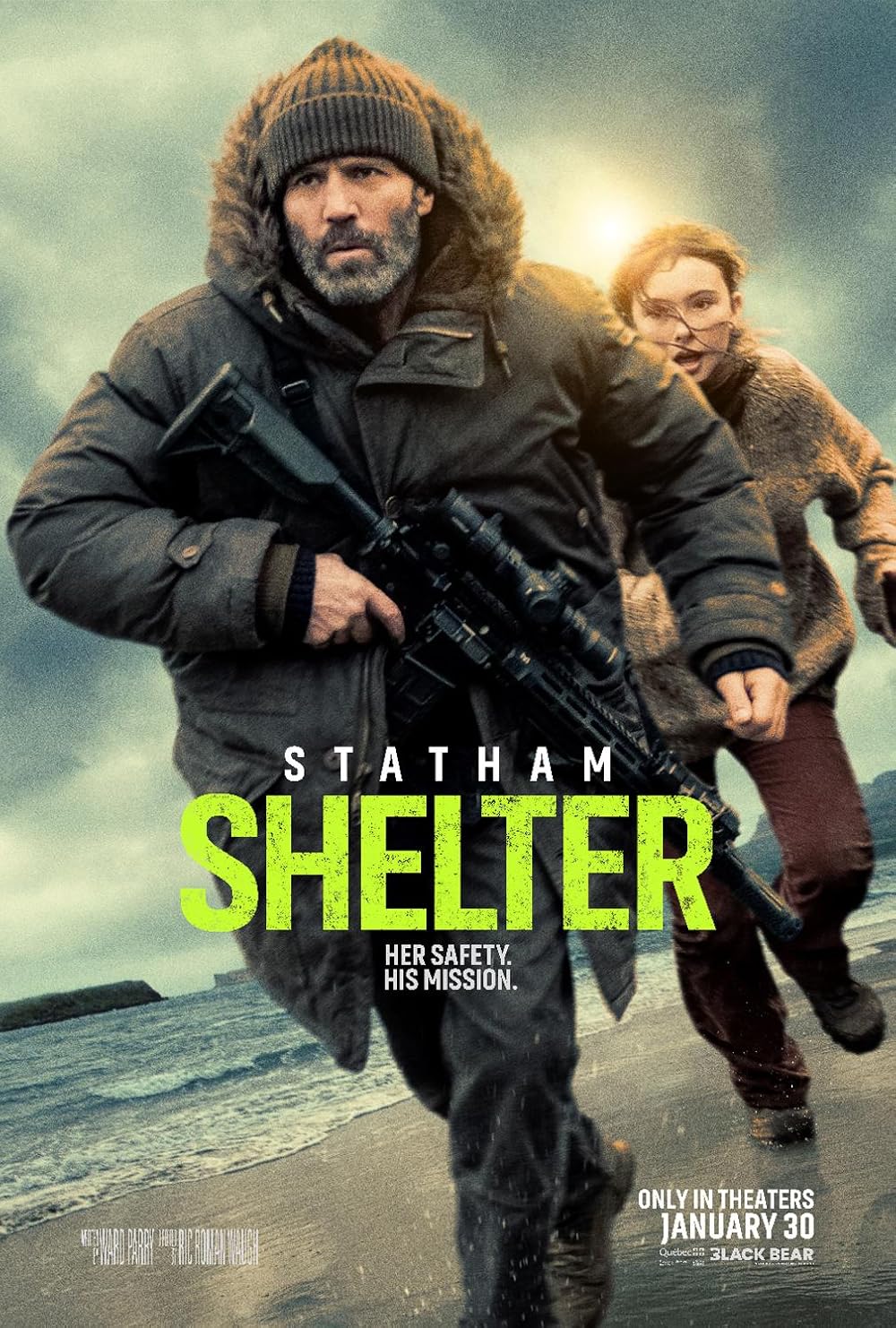
Shelter
Before we get into the specifics, let’s acknowledge something important: Statham has built one of the most reliable brands in modern cinema.
You don’t walk into a Statham movie wondering what you’re getting. You know it involves:
- A working-class anti-hero with a mysterious past
- A criminal underworld or other enterprise that needs tidying up
- Several people learning the hard way that antagonising a bald British man with forearms like granite blocks is a strategic error
Sometimes the tone is furious and righteous. Sometimes it’s introspective and brooding. But the action is always direct, physical, and satisfying. That is why it works.
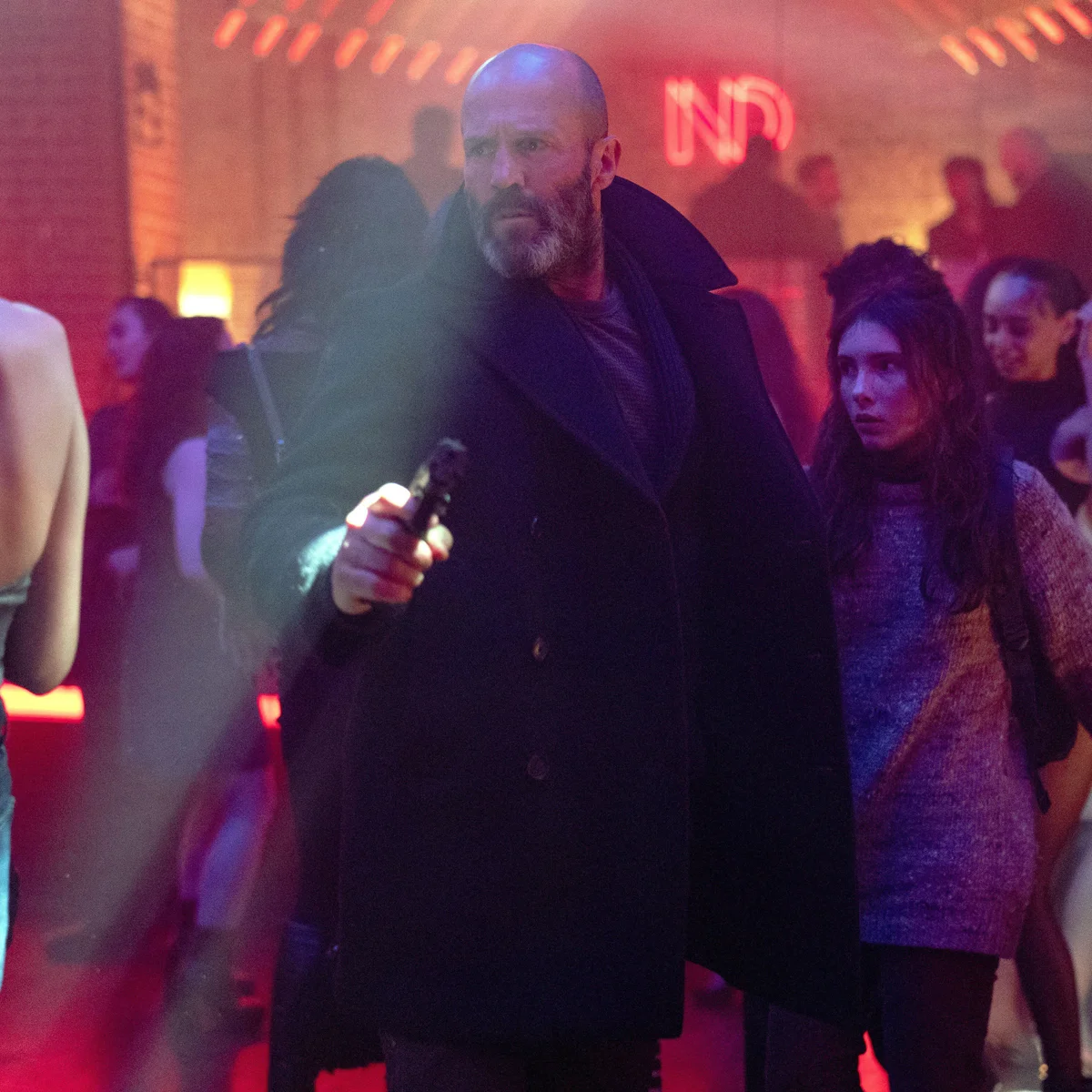
When it works best, it feels like a lost VHS tape from 1987 discovered in a warehouse and lovingly restored.
Which is why Shelter is frustrating. Because it almost works.
It just can’t decide which version of Statham it wants. Angry Statham or sensitive Statham.
Angry Statham is in A Working Man mode, where he’s basically a one-man demolition project with stubble.
Think The Beekeeper, where Statham storms through an army of villains like an avenging forklift. The vibe is righteous fury. Everyone he hits probably deserved it.
Then there is sensitive Statham. The introspective version, from films like Hummingbird, where the violence is still there but it’s wrapped in melancholy and trauma. He punches people thoughtfully. Possibly after staring into rain for a while.
Both modes work equally well, depending on the material.
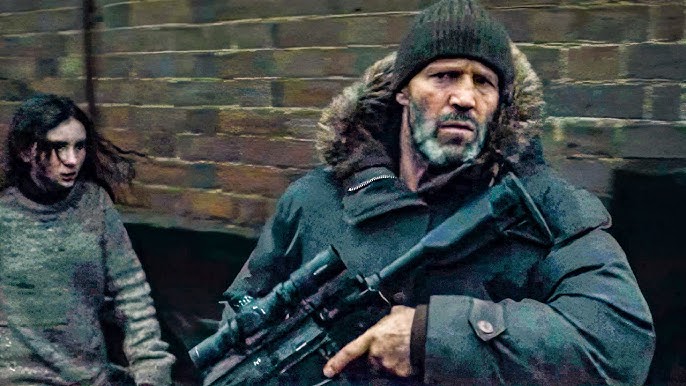
The problem is that Shelter sits squarely between them and never fully commits to either.
Sometimes Statham looks like he’s about to unleash holy vengeance. Other times he’s wandering around like he’s in a grim BBC crime drama contemplating the meaning of regret.
The result?
A tonal middle ground where the movie occasionally forgets to be exciting. And if there’s one thing a Statham movie should never be, it’s dull.
The Plot
Statham plays a former special forces operative who has retreated into exile in Scotland. He’s hiding from his past, nursing emotional scars, and generally living the sort of quiet life that only exists so the plot can rudely interrupt it.
And interrupt it does.

A young woman in danger, some shadowy intelligence shenanigans, and suddenly our man is dragged back into the world of international skulduggery.
From Highland landscapes to London back alleys, a plot involving MI6 is slowly revealed.
It’s all perfectly serviceable stuff, but it never quite ignites. The story feels like it’s missing a gear, or perhaps a rewrite or two.
There’s a sense that the script almost had something sharper to say, but then remembered it was supposed to be an action movie and sort of shrugged.
If there’s a clear standout here, it is Bill Nighy, who brings a touch of class to the proceedings, playing a MI6 figure entangled in the plot, and he does what he always does: elevates the material simply by existing.

Every line is delivered with that dry, aristocratic bite that makes even exposition sound like Oscar Wilde commentary. When he’s on screen, the movie suddenly feels more intelligent than it probably is.
The problem is the MI6 subplot itself. It feels undercooked.
The conspiracy is vague, the stakes are murky, and the villains never become properly menacing. They’re less terrifying puppet masters of global espionage and more middle managers of evil. In a Statham movie, the villains need to radiate punch-worthiness. This is important to the model and the method of Statham-ness.
Now let’s address the thing everyone actually cares about: the fights.
They’re good. Technically speaking, they’re very good. Statham still moves like a man who could dismantle a nightclub with the contents of a cutlery drawer. The choreography is clean, brutal, and satisfyingly grounded.
But there aren’t quite enough of them. Or rather, the pacing doesn’t build properly toward them.
A classic Statham film has a rhythm – Someone makes a bad decision, Statham warns them, they ignore the warning, furniture gets broken.
Shelter stretches the gaps between those steps just a little too long. There are patches where the film seems convinced it’s a moody espionage drama rather than a vehicle for tactical skull-thumping.
And again: that’s not necessarily bad. It’s just not what the I signed up for when I hit “Play” on a Statham movie.
One undeniable highlights are the settings. Scotland and London both look fantastic here.
The Scottish sequences in particular give the movie a nice atmospheric edge, misty landscapes, lonely roads, that particular grey sky that makes every action hero look like they’re contemplating their life choices.
London, meanwhile, provides the gritty urban counterbalance. Alleyways, pubs, docks. All the proper British crime-thriller scenery.
It’s refreshing to see these places used properly rather than being turned into generic CGI backdrops, except for some quite clear CGI for understandable reasons in the water-based action scenes.
This can’t escape from the nagging feeling that the film suffered from its behind-the-scenes changes.
With a director switch during production, Shelter sometimes feels like two slightly different movies stitched together.
One wants to be a brooding character study. The other wants to be a Statham smash-fest. Neither quite wins.
A stronger singular vision, or a more aggressive rewrite, might have solved the identity crisis.
Here’s the thing.
Even a middling Statham movie is still an enjoyable night on the couch. He remains one of the most watchable action stars currently working. The charisma is intact. The physicality is still absurdly convincing. When he finally starts flattening villains, it’s hard not to grin. This is what he’s good at and why it works.
But Shelter never quite hits the gear it needs. It remains caught awkwardly between the angry, revenge-driven Statham movie and the quieter, introspective ones.
Instead of blending the two, it ends up diluted by both.
The villains lack menace. The espionage plot lacks bite. The pacing occasionally drifts into the danger zone of “slightly boring,” which should be illegal in a Jason Statham film.
Still, there are worse ways to spend nearly two hours.

Statham remains good value. Bill Nighy adds class. The locations look great. And when the punches finally land, they land properly.
Just don’t go hunting it down like it’s a lost classic.
If it turns up on a streaming service on a rainy evening, though? Absolutely.
After all, even when The Stath is operating at 75%, someone is still getting punched, and entertainment is better for it.

