



Hollywood loves failure. Not actual failure, obviously. Nobody in Hollywood wants to experience a failure. But they sure do adore talking about it after the fact. Every catastrophe eventually becomes a documentary, a tell-all memoir, a “What Really Happened” podcast, or a four-hour YouTube essay narrated by a man who sounds like he records his content inside a damp basement, through a ski mask. Or a Hollywood History article on LMO.
Nowhere is Hollywood failure more glorious than the movies that were pulled from theaters so fast you could practically still smell the fresh popcorn.
These are not your everyday flops. Plenty of movies bomb. That’s just business. For every Star Wars, there’s a Battlefield Earth standing in the corner eating crayons. But being pulled from theaters? That’s a special achievement. That means the studio looked at the box office numbers, looked at the advertising costs, looked at the audiences fleeing like Tokyo residents escaping Godzilla, and said:
“Nope. Pull it!”
Sometimes the movie was incompetent. Sometimes offensive. Sometimes bafflingly expensive. Sometimes cursed by hubris so vast it could be seen from orbit. And sometimes all of the above. So let us journey through some of Hollywood History’s emergency exits.
Heaven’s Gate (1980)
Let’s begin with the granddaddy of theatrical disasters: Heaven’s Gate.
Michael Cimino had just won Oscars for The Deer Hunter. Hollywood treated him like a prophet. Which is always dangerous because directors who are treated like prophets inevitably start behaving like they’re Moses coming down from the mountain carrying tablets that say things like:
“Build me a frontier town from scratch because I don’t like the color of the existing dirt.”
The production spiraled completely out of control. Massive delays. Endless takes. Animal cruelty accusations. Budget explosions. The kind of insanity that makes accountants begin stress-drinking before lunch. United Artists had backed Cimino with near-total creative freedom, because Hollywood executives occasionally suffer traumatic brain injuries and mistake arrogance for genius.
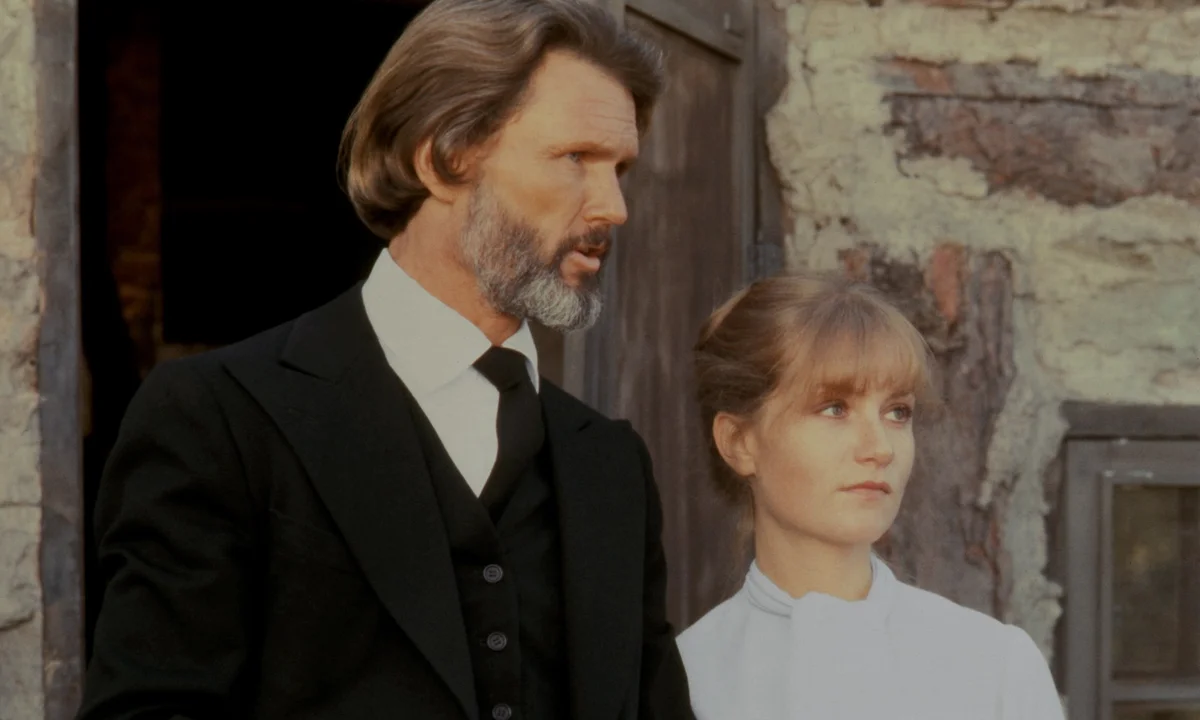
The original cut reportedly ran over five hours. Five. Hours.
That’s not a movie. That’s a prison sentence. When it finally premiered, critics unloaded on it with biblical fury. Vincent Canby’s review in The New York Times was basically a public execution. Audiences stayed away in droves. United Artists panicked and pulled it from release after only a week.
Cimino then recut it to a shorter version, but the damage was done. The film became synonymous with unchecked directorial ego and nearly destroyed United Artists entirely.
Ironically, modern critics have partially rehabilitated Heaven’s Gate. Which is cinema’s version of historians eventually deciding Mussolini had some interesting management ideas. But at the time? Absolute apocalypse.
Gigli (2003)
Ah yes. The film so catastrophically terrible it practically ended the careers of everyone involved for several years and split up a Hollywood mega-couple.
This was supposed to be a sexy crime-comedy starring Ben Affleck and Jennifer Lopez at the peak of Bennifer mania. Instead, it became a cultural extinction event. The problem wasn’t just that it was bad. Hollywood releases bad romantic comedies every week like a chemical factory pumping toxic sludge into a river.
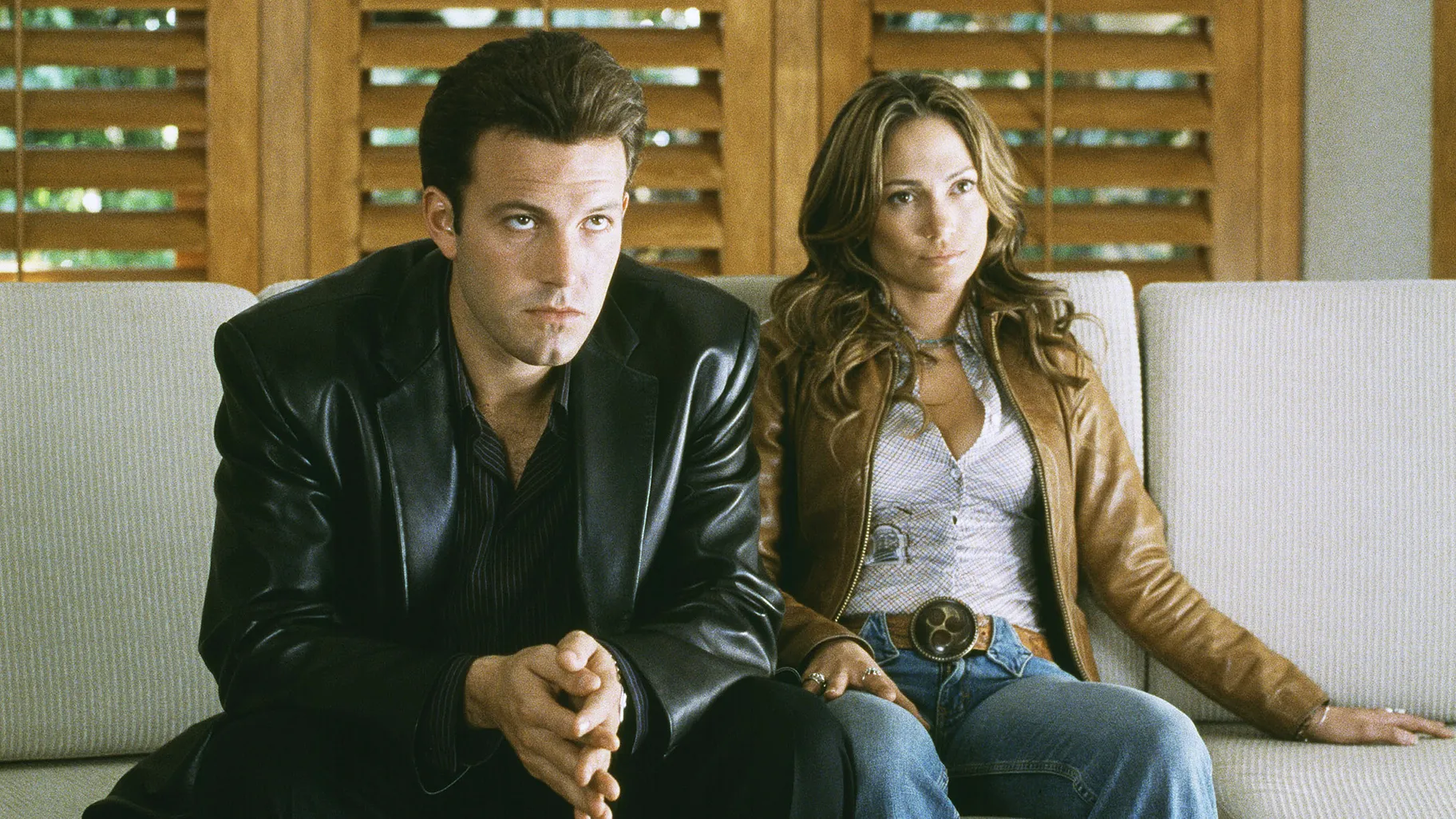
No, Gigli was embarrassing.
The script sounded like it had been written by an alien who had only learned human interaction through expired episodes of Friends and police interrogation tapes, including the infamous “turkey time” scene. You could physically feel audiences questioning their life choices in real time as it unfolded on the screen.
Critics annihilated it. Roger Ebert called it “bad in a lot of different ways.” Which is actually generous. That’s like describing the Hindenburg as “not ideal for air travel.”
The box office collapse was immediate and catastrophic. The movie was yanked from thousands of theaters within weeks because nobody was buying tickets. At one point it made less per theater than the vending machines. The final domestic gross was around $6 million against a budget north of $70 million. That’s not a flop. It’s worse than that.
United Passions (2014)
There are vanity projects, and then there is United Passions. This was a movie funded by FIFA. Yes, FIFA. WHat our legal department have insisted we refer to as the famously not corrupt in any way governiong body of global football.
For some reaon, and we have no idea why, FIFA somehow decided the world desperately needed a feature-length propaganda film explaining how noble and wonderful FIFA executives were. This would already have been hysterically tone-deaf under normal circumstances. Unfortunately for them, the film came out right as massive FIFA corruption scandals exploded globally.

Still, they do say that 9/10ths of comedy is timing.
The movie starred Tim Roth as Sepp Blatter, because apparently Tim Roth lost a bet, or wasd starving, or something. Audiences responded with all the enthusiasm of a tax audit. In the United States, the film earned around $918 during its opening weekend.
Not $918,000.
Nine hundred and eighteen actual dollars. That would, in the words of Outposter Aldo Bennedetti, bring a tear to a glass eye. A tear of laughter.
The Adventures of Pluto Nash (2002)
The Adventures of Pluto Nash deserves respect. Not because it’s good. God no. But because it reached levels of financial annihilation usually associated with cryptocurrency scams.
Eddie Murphy was still a major star. Warner Bros spent over $100 million on this sci-fi comedy about a nightclub owner on the moon. And then… absolutely nobody cared.
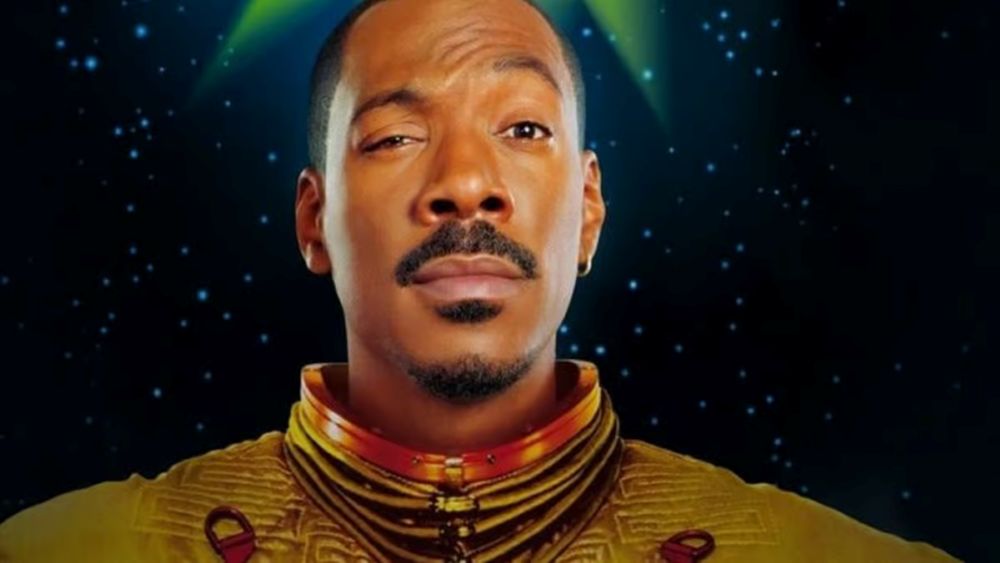
The trailers looked dreadful. The jokes landed with the force of a corpse rolling down a very slight incline. The visual effects somehow looked simultaneously expensive and unfinished, and the movie opened to catastrophic numbers then disappeared from theaters almost immediately.
Its worldwide gross barely crossed $7 million. That’s one of the worst returns on investment in major studio history. If you made this movie today, shareholders would arrive at the studio carrying flaming torches and pitchforks. It killed Eddie Murphy’s career stone dead for over a decade. Imagine the levels of suckage required to do that?
Delgo (2008)
You’ve probably never heard of Delgo, which makes sense because almost nobody on Earth saw it. This animated fantasy film opened on over 2,000 screens. Opening weekend gross?
About $500,000.
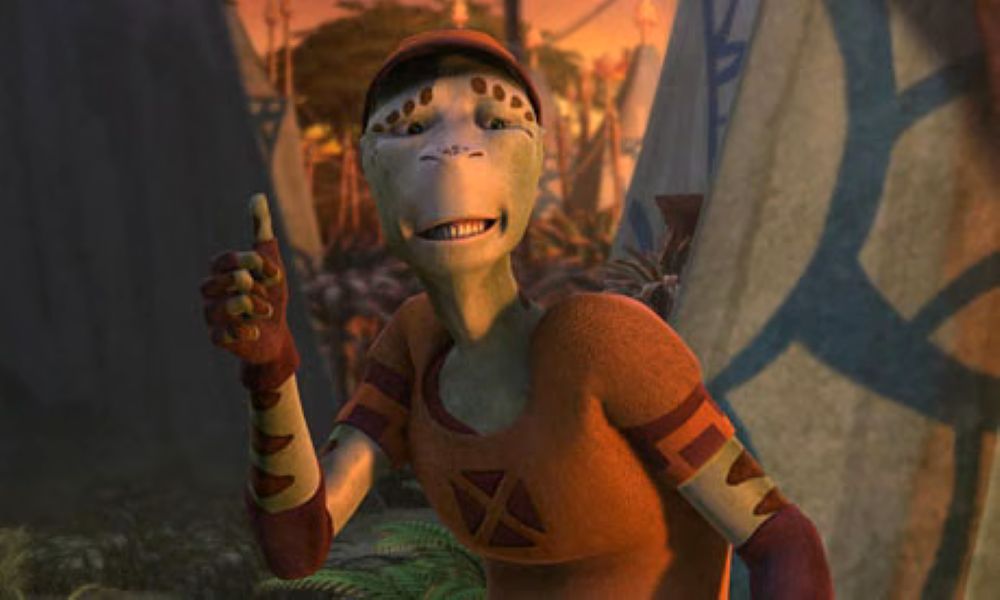
Screenings were reporting had zero attendees. Imagine being the projectionist. Imagine threading up the movie, preparing the auditorium, checking the sound levels… and then sitting alone in silence wondering where your life went wrong.
The film was pulled rapidly because theaters needed the screens for literally anything else. Infomercials. Static. CCTV footage of tramps fighting in a dumpster. Anything would have drawn larger crowds.
Jem and the Holograms (2015)
Hollywood executives have an almost supernatural ability to misunderstand nostalgia. Thus we got Jem and the Holograms.
Instead of embracing the gloriously ridiculous cartoon source material with giant hair, glam-rock insanity, and neon-fueled nonsense, the filmmakers created a bland teen-drama about social media. Because if there’s one thing audiences crave from an 80s cartoon adaptation, it’s the visual energy of an Instagram terms-of-service agreement.

Fans hated it. Critics hated it. General audiences ignored it so aggressively that Universal pulled it from theaters after just two weeks.
Cutthroat Island (1995)
Pirate movies were considered box office poison before Pirates of the Caribbean changed everything, and that was largely down to a single movie – Cutthroat Island.
This Geena Davis swashbuckler became legendary for budget overruns, production chaos, and astonishing financial losses. The film’s studio, Carolco Pictures, was already in trouble, and then they bet everything on this movie.
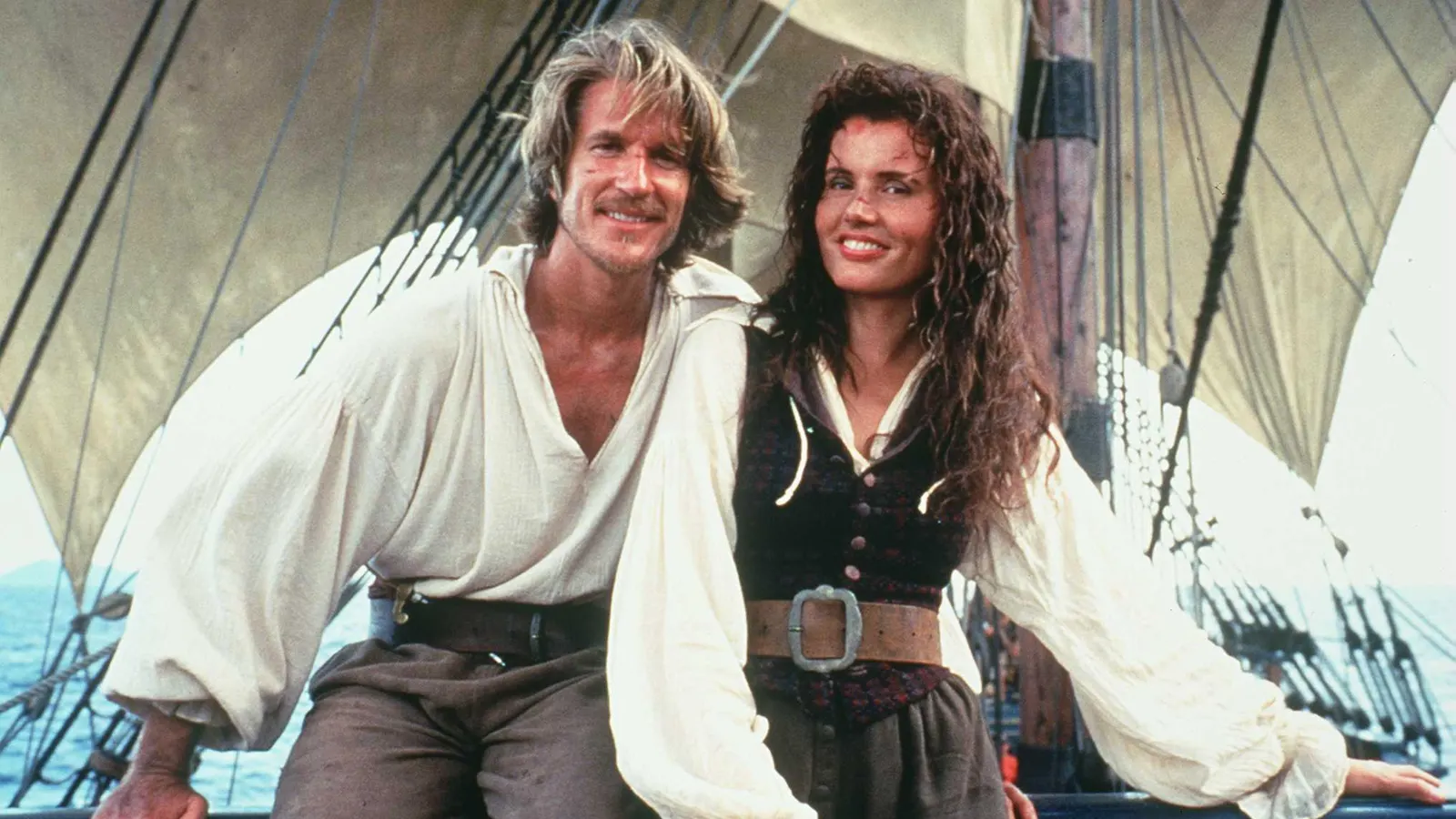
Which is exactly the kind of decision people make moments before jumping through a closed window. The movie bombed so hard it helped destroy the studio entirely. Theaters abandoned it rapidly because, somehow, it became viewed as a toxic failure, so the studio cut its losses.
Which is a shame, as it is actually kind of entertaining in a big dumb way, but by the end, nobody cared.
Cats (2019)
There are bad ideas. Then there’s digitally fur-covered humanoid cat people with human hands. Remember, at no point did a supposed seasoned Hollywood pro look at al this and ask “Exactly what the actual fuck are we doing here?”
And so, arrived like a cursed object discovered in an ancient tomb. The internet immediately recoiled in horror.
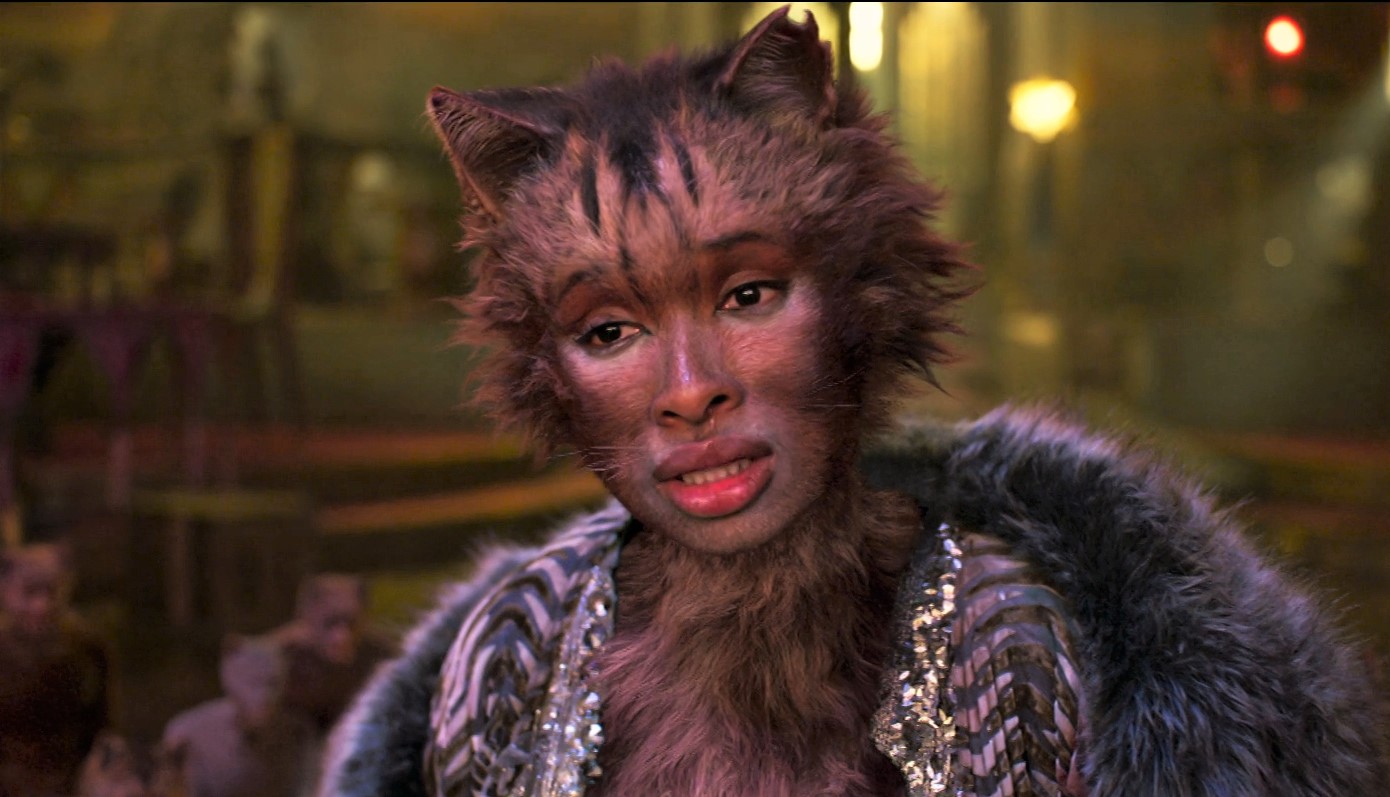
The visual effects looked unfinished because they *were* unfinished. Universal reportedly rushed completed effects shots to theaters after the opening weekend. That’s incredible. Imagine expecting an audience to buy a ticket to a movie that’s still technically being assembled in the movie theater parking lot.
Audiences laughed at scenes that were not intended to be funny. Critics compared the experience to fever hallucinations. Theater attendance collapsed almost instantly.
Some cinemas reduced showtimes after mere days because people would rather sit in silence staring at a wall than watch Judi Dench explain the Jellicle Ball. And yes, somewhere out there exists the mythical “butthole cut.”. God, cinema history is beautiful sometimes.
The Oogieloves in the Big Balloon Adventure (2012)
Yeah, I had never heard of this either. Researching it was kinda fascinating, though. The numbers were so bad that they seemed mathematically impossible. The Oogieloves in the Big Balloon Adventure grossed $1 million, which doesn’t sound too bad given the company on this list, but then you realise it opened in over 2,000 theaters.

Its per-screen average was abysmal. At some screenings, there were literally more employees than audience members. Parents had taken one look at the trailer and decided that their children should go out and play in traffic instead. Theaters rapidly dumped it because empty auditoriums don’t sell concessions.
Morbius (2022)
A fascinating modern case. Morbius initially underperformed because audiences recognized it was another dreary Sony Spider-Man-adjacent product assembled on an assembly line by executives who think vague character recollections count as storytelling.

But then the internet began ironically celebrating the movie.
“IT’S MORBIN’ TIME!”
Memes exploded. Sony, apparently unable to detect sarcasm if it punched them directly in the face, re-released the film into theaters. And audiences still didn’t go.
This is still one of the funniest things Hollywood has ever done.
The Lone Ranger (2013)
You can almost picture the meetings.
“Johnny Depp has just turned up on set with a bird on his head.”
“It’ll be fine. Look how well just letting him do what he wants worked for Pirates of the Caribbean!”
Meanwhile, the budget for The Lone Ranger ballooned into absurd territory as Disney chased more of that Pirrates money. In the finished article, the tone lurched wildly between goofy comedy and shocking violence. Critics shrugged. Audiences didn’t understand it, and the film collapsed so quickly that theaters cut screens at astonishing speed.
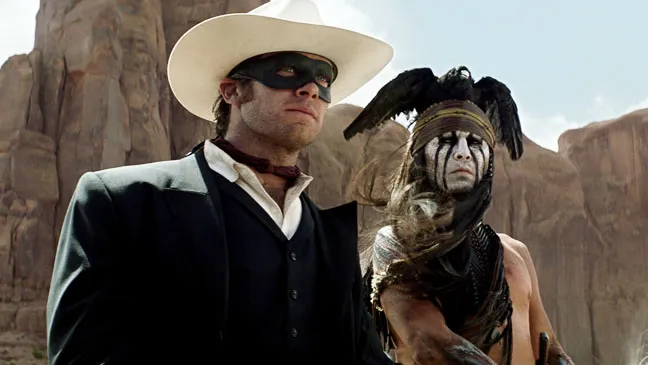
Disney lost hundreds of millions, which almost feels impressive because imagine how hard you really have to work to lose that much money on a movie that features cowboys, explosions and trains?
Gigantic Vanity Projects Nobody Asked For
You can almost see a theme developing here, across this sampling of disasters. Hollywood repeatedly falls into the same trap.
Someone powerful becomes convinced the public desperately wants to witness their self-indulgence. This rarely ends well.
Take Town & Country (2001), a film delayed endlessly by reshoots until its budget became grotesque. Or Hudson Hawk (1991), Bruce Willis’ bizarre passion project, where everyone involved seemed trapped on set. Or Battlefield Earth (2000) an expensive film that still looked like it had been shot entirely through the bottom of a dirty aquarium tank.
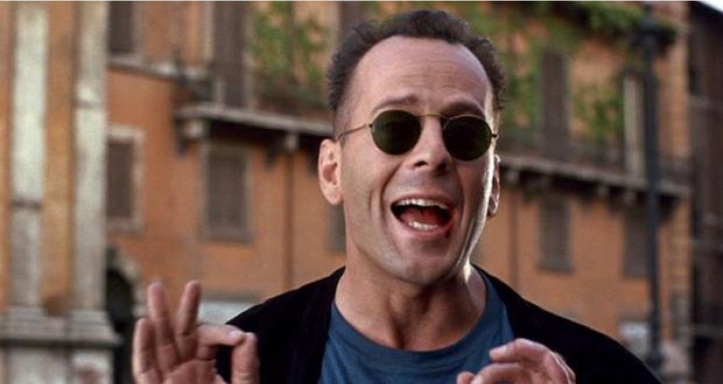
These movies didn’t just fail. They became punchlines. And once a movie becomes a punchline, death follows quickly.
Theaters are businesses. They don’t keep corpses on screens out of pity. However, not every theatrical removal happens because the movie itself is terrible. Sometimes controversy detonates the release.
Look at The Interview (2014). Sony got hacked, North Korea made threats. Sony panicked, and major theater chains backed out, forcing a complete release strategy change.
Or Song of the South (1946), an Oscar-winning movie that has been vanished for decades because Disney seems nervous to glorify plantation nostalgia as wholesome family entertainment.
Jerry Lewis’s The Day the Clown Cried is similarly infamous and became legendary precisely because almost nobody was allowed to see it. A Holocaust clown dramedy does feel like a tough pitch.
Here’s the thing people forget – Studios mostly don’t pull movies because they’re embarrassed. They actually have no shame at their product. They only make the decision based on money. Theatrical distribution costs money. Advertising costs money. Keeping a film on screens costs money.
If a movie is earning less than the cost of maintaining the release, the studio cuts bait. Fast.
There’s no honor in dying slowly at the box office. Especially now. Modern Hollywood is less patient than ever. If opening weekend numbers are weak, the execution order gets signed before the Sunday matinees finish. Streaming awaits as a last-ditch effort to find an audience and recoup some costs.
Movies now vanish from theaters with terrifying speed. A film can arrive Friday and essentially be comedy roadkill, laughed at by Outposters, by Monday. Which honestly feels appropriate for this streaming age, where content is consumed, forgotten, and algorithmically buried before audiences even remember character names.
Yet… there’s something lovable about these catastrophes. Not all of them. Some are genuinely unbearable.
But there’s a weird nobility in colossal failure sometimes. Anyone can make something safe and bland. It takes true Hollywood insanity to spend $100 million making a movie about moon gangsters, singing cat-humans, or FIFA executives portrayed as misunderstood visionaries.
These films become legends precisely because they fail so spectacularly. Nobody writes nostalgic Hollywood History articles about mediocre thrillers that quietly earned $48 million and disappeared.
But Gigli?
Heaven’s Gate?
These movies achieved immortality. Not the immortality anyone wanted, admittedly. But still, Hollywood runs on ego. On delusion. On the belief that this time, somehow, the audience will applaud the emperor’s invisible clothes.
And every so often, reality arrives carrying a baseball bat, and Hollywood History is made.

