

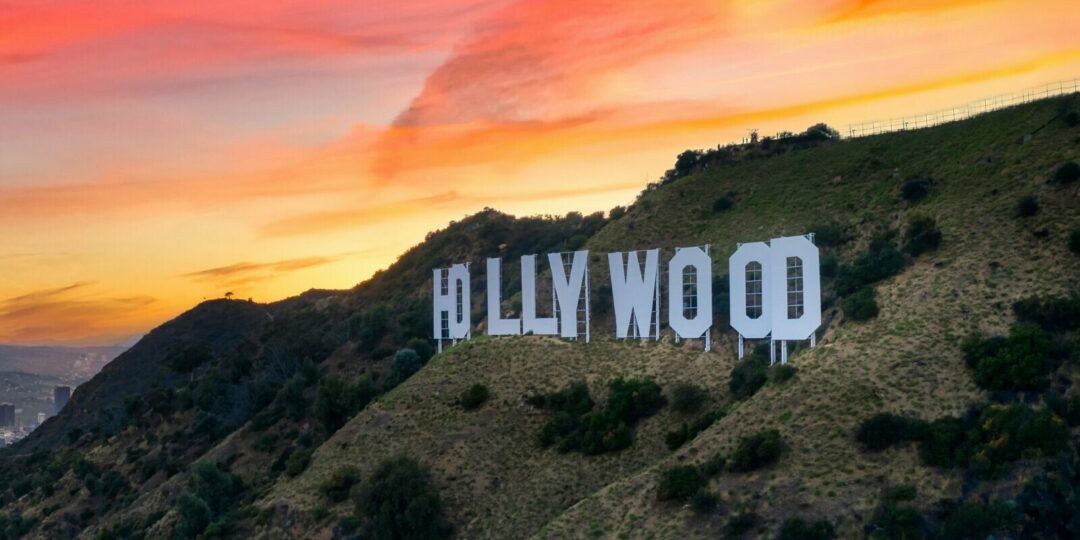
We all know Hollywood likes to lecture people, seeing itself as some kind of self-appointed moral guardian. So it is always amusing to see behind the gilded, velvet curtain at what really goes on in Tinseltown, even as they consider themselves worthy to tell others how to behave.
Patricia Heaton, the star of Everybody Loves Raymond and The Middle, has now provided another fascinating glimpse into this wacky world. Talking to Andrew Gold on the Heretics podcast, she outlined why a terrifying lack of diversity of thought led to some Hollywood dissenters having to take extreme measures.
They had to create a secret support network simply to talk to one another without worrying that somebody might decide they had become professionally radioactive.
That network was Friends of Abe.
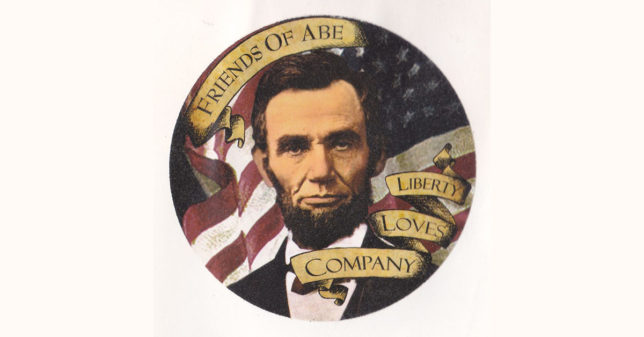
Yes, this really was a thing. It wasn’t some fever dream cooked up on a conspiracy podcast after three glasses of bourbon and a YouTube documentary about Area 51.
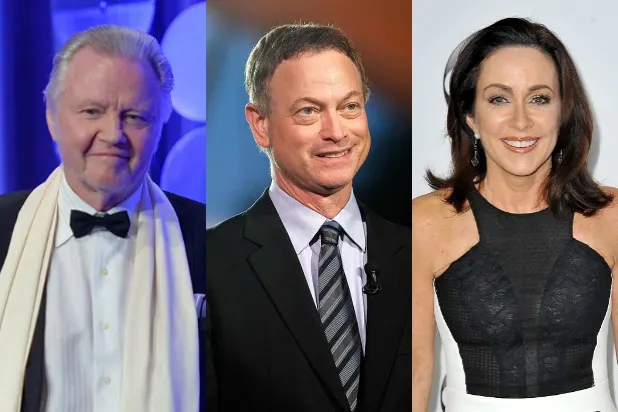
The organisation was formed around 2004-05, grew into a substantial network of entertainment-industry conservatives and included people such as Heaton, Gary Sinise, Jon Voight and Kelsey Grammer. At its height, estimates put membership somewhere in the thousands.
The fact that Hollywood professionals felt the need for a secret club in which they could say what they actually thought is, frankly, rather more revealing than any number of celebrity virtue-signalling Instagram posts.
Heaton’s account is that Friends of Abe became necessary because people didn’t feel safe expressing dissenting political opinions at work. In her Heretics interview, she says the group existed so people could talk freely and know who was safe to work with.
She also recalls a writers’ room in which a younger writer objected to a joke on the grounds that it was “homophobic.” The joke? Simply that an older male character with a military background was uncomfortable with two men hugging in friendship.
Never mind that the character’s arc was actually to how them becoming more tolerant. The mere existence of such a character behaving in this was was verboten.
Her broader complaint is that if every joke has to pass through a committee of people checking who might possibly be offended, comedy has been fitted with a muzzle and told to sit quietly in the corner. And this is where the whole thing gets particularly funny.
Because Hollywood has spent decades congratulating itself for being the home of outsiders, rebels and free thinkers.
The town that gave us All in the Family, MASH*, Network, and Blazing Saddles once delighted in poking sacred cows, eventually arrived at the revolutionary conclusion that sacred cows should instead have their pronouns checked by HR.
The assertation was that this culture hardened considerably during the Obama era, with Hollywood increasingly becoming a closed ideological shop. People in the industry believed their careers could be endangered by being too openly conservative, or pro-life, or religious, or anything outside the prevalent orthodoxy of Tinseltown.
Contemporary reporting described members worrying about being blacklisted or “weeded out” for their political views. That’s a rather awkward fact for the self-appointed guardians of tolerance.
Imagine an industry where thousands of people are apparently so frightened of being known for having fairly mainstream views that they need a clandestine social network? Imagine it? Actors and writers attending meetings under an organisation named after Abraham Lincoln while observing secrecy rules that sounded suspiciously like Fight Club.
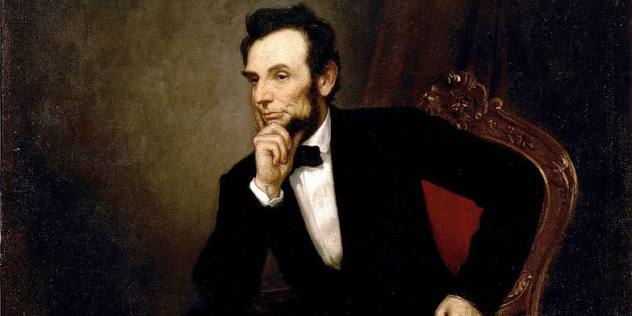
The first rule of Friends of Abe is: don’t talk about Friends of Abe.
The second rule is presumably: for God’s sake, don’t mention you once voted Republican within 500 yards of a studio executive.
There is an important distinction here. Hollywood wasn’t literally a sinister cult in the conventional sense, and reducing an enormous, complicated industry to a single political conspiracy would be lazy. But Heaton’s “cult” comparison gets at something recognisable: the pressure to conform to a dominant social orthodoxy.
Cults don’t necessarily require armed guards and a compound in the desert. Sometimes they just require everyone to laugh at the same jokes, applaud the same causes and know which opinions are career-enhancing and which ones are career-ending.
And then there are the writers’ rooms.
This is arguably the most interesting part of Heaton’s interview because comedy is supposed to be dangerous. A sitcom writer’s job is not to ensure that nobody in the country experiences an uncomfortable emotion between commercial breaks. It’s to make people laugh.
The old comedy model was basically:
“Is this funny?”
The new model, according to Heaton’s account, became:
“Is this funny, appropriately representative, sufficiently diverse, non-problematic, culturally sensitive, unlikely to generate a complaint on social media, and approved by whichever ideological weather system happens to be hovering over Los Angeles this afternoon?”
Good luck getting Seinfeld through that. Larry David would probably be taken outside and quietly placed in an Uber before lunch.
And this is the paradox. Hollywood insists that diversity is essential, yet the most important diversity of all – diversity of opinion – appears to have been treated as an unwanted invasive species.
Friends of Abe reportedly grew to around 2,000 or more members, precisely because there were apparently a lot more dissenters in entertainment than the public image of Hollywood suggested.
The organisation later wound down its formal structure in 2016, after years of scrutiny and internal pressures. The IRS had investigated the group during its application for tax-exempt status, insisting that members be openly named.
Which brings us to the really uncomfortable question – If Hollywood was such a wonderfully tolerant place, why did anybody need a secret club? And why were a government agency seemingly supporting some kind of witch hunt to out the members?
You don’t create an underground railway because the station is welcoming.
Heaton’s story is therefore less interesting as evidence of some grand Hollywood master plan than as evidence of something much more mundane and much more dangerous: people adapting to an environment where they believe saying the wrong thing can cost them work.
And once people start self-censoring, you don’t need an official blacklist. You just need everyone to know one might exist.
That is how a creative industry slowly stops being creative. Not with a dramatic decree from a cigar-chomping studio boss. It happens one nervous pause at a time. One joke removed from a script. One writer deciding not to pitch an idea. One actor keeping quiet at dinner. One executive wondering whether hiring somebody might create “issues.”
Eventually everyone knows the rules without anybody having to write them down.
And that may be the most damning thing Patricia Heaton has exposed.
Hollywood didn’t need to ban dissenters. It merely had to make enough of them believe that being openly one of them was bad for business.
For an industry supposedly dedicated to freedom of expression, that’s one hell of a punchline.

