


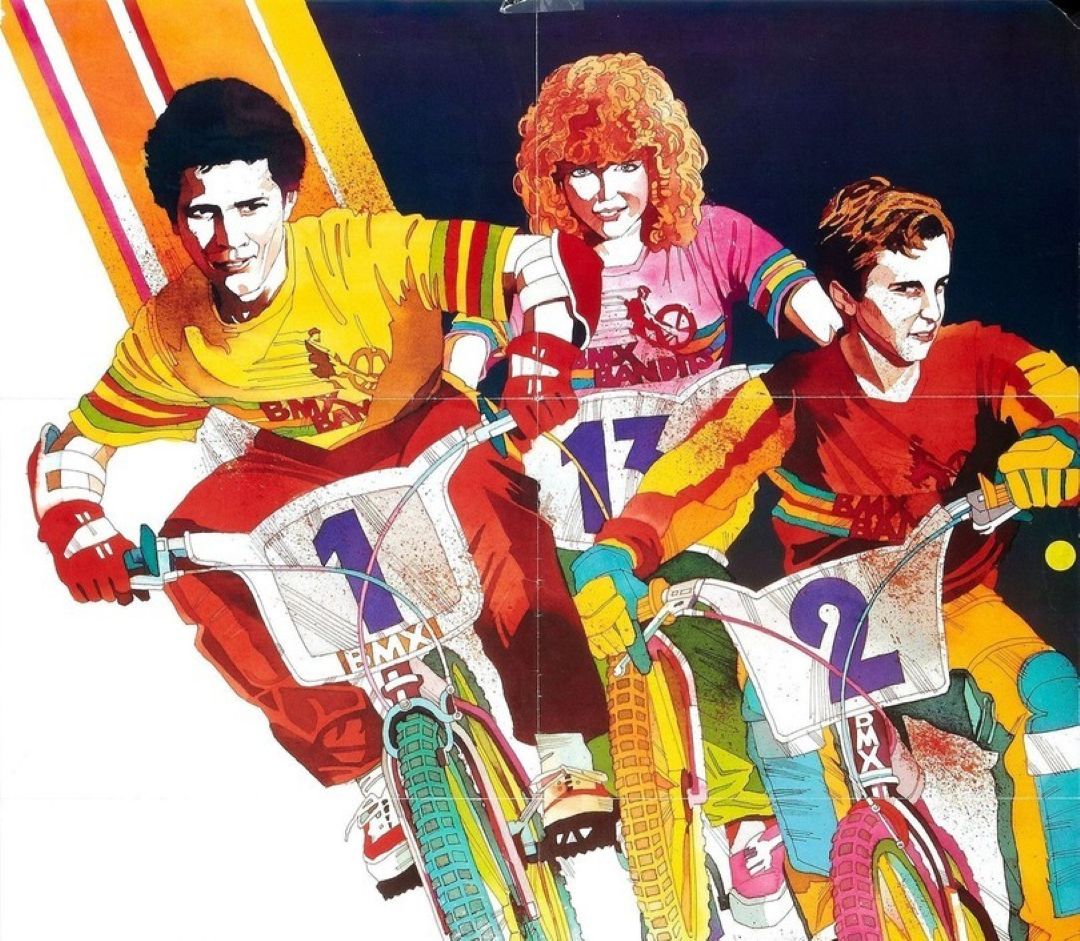
Before I start this Retro Review, I have to visit the most reverend Reverend for a confession. This movie – BMX Bandits – holds a very special place in my heart.
You see, it actually forms a core memory for me, and a very important step on my journey to becoming an Outposter.
You see, it was the first movie I ever rented on VHS.
I had come home from school during the week to find, nestled underneath the family television, a brand new VHS player, our first. It was a silver Panasonic front loader; this meant we were fancy, unlike those terrible common people with the top-loading Fergusson VideoStar.
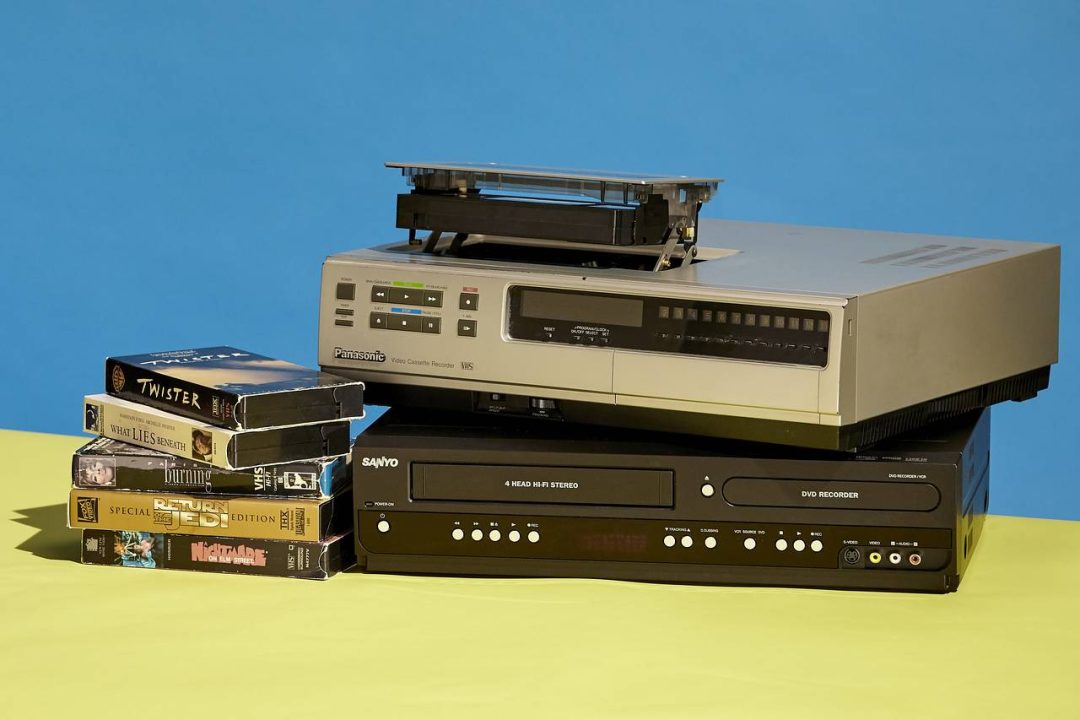
The small village we were calling home at the time had also just, really randomly, got its first (and only) VHS rental emporium. The stars aligned.
Upon renting and watching BMX Bandits at the age of about eight years old, I loudly declared it the greatest movie I had ever seen. This continued all the way up to the next Saturday, when we rented The Karate Kid, and that became the greatest movie I had ever seen. This pattern would repeat week on week.
Now I am going all misty eyed and nostalgic. So let us travel back to a happier time. A simpler time, a time when the BMX bike ruled the Earth.
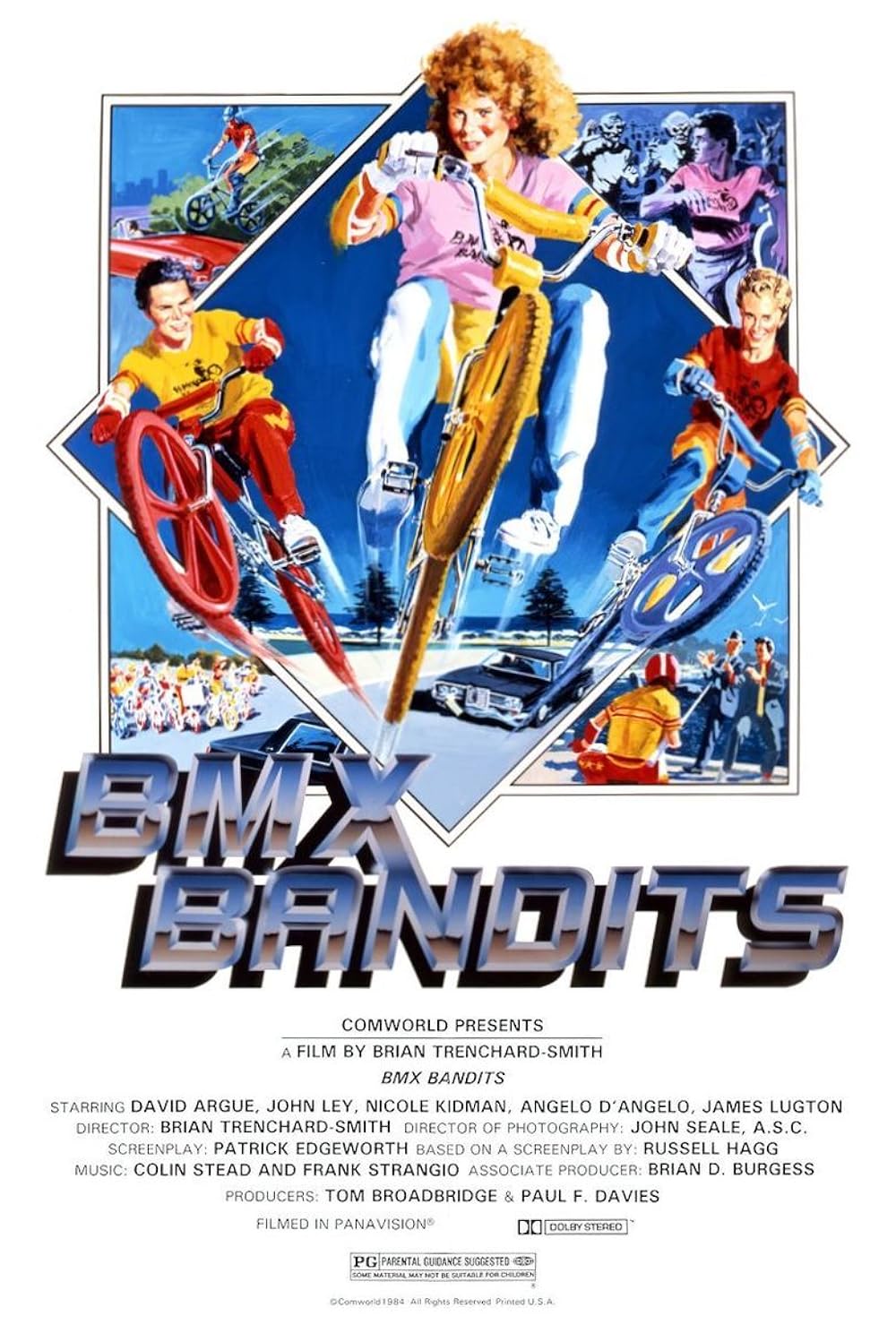
BMX Bandits
The 80s were just magnificent. Everything was new. Everything was shiny. It all held so much promise, and kids today simply wouldn’t believe us if we told them about BMX bikes.
They were absolutely everywhere. Every street teemed with them, with kids scuffing knees as they tried to recreate the stunts they had seen on TV.
Every school playground had at least one kid who claimed he had jumped some inordinate distance on one. But he did it somewhere else, at his cousins house, and only some kids from another school saw it.
Chrome-plated, or with glorious mag wheels, brightly coloured pads. Children who had previously been perfectly happy riding their rusty Raleigh suddenly demanded machines that looked as though they had been designed for a moon landing.
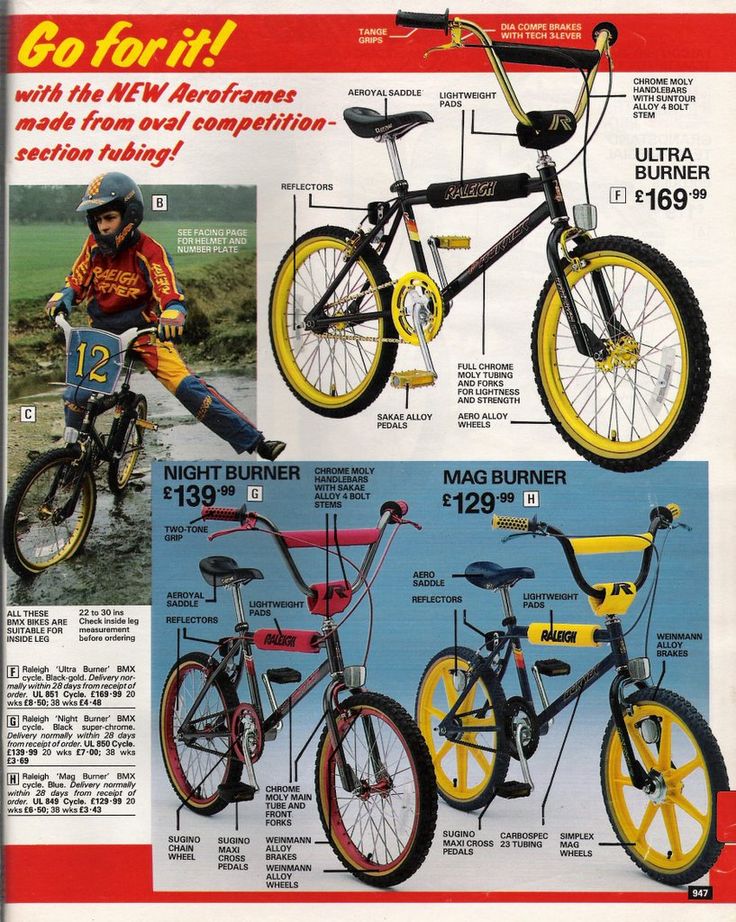
BMX was not merely a hobby. It was a global phenomenon. America had E.T. making the bicycle look like a gateway to extraterrestrial adventure, Britain had children breaking their collarbones in municipal parks, and the rest of the world was desperately trying to convince itself that cycling around a car park was an extreme sport.
And somehow, against all reasonable expectations, Australia decided it needed to make a movie about it.
Enter BMX Bandits, a 1983 Australian adventure film directed by Brian Trenchard-Smith.
Despite only having what felt like twenty dollars, a borrowed camera and permission to close one road for fifteen minutes, he managed to craft something. It stars a young Nicole Kidman, who would later become one of the biggest movie stars on the planet, alongside two teenage co-stars who didn’t.
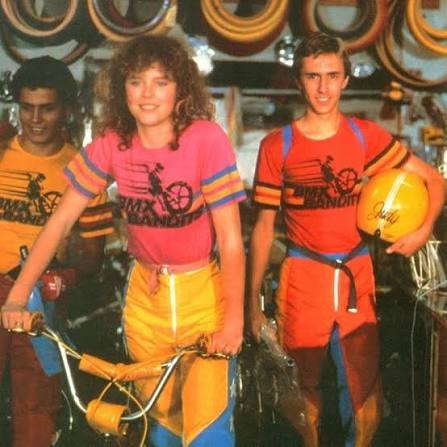
It also features a gang of hopeless criminals, an implausibly important collection of CB radios, and enough bicycle-based shenanigans to put the fear of God into parents everywhere who has just gifted little Timmy a brand new BMX for Christmas.
It is a film in which the fate of the protagonists hinges on communications equipment that, by modern standards, belongs in a museum. It is a film in which a water slide becomes a strategic asset. It is a film in which Australian geography is treated as though Sydney contains approximately three buildings, two roads, a swimming pool and an enormous quantity of shrubbery.
It is also utterly charming.
And that, frankly, is the problem. You can spend the entire running time laughing at BMX Bandits, but you will probably be smiling while you do it.
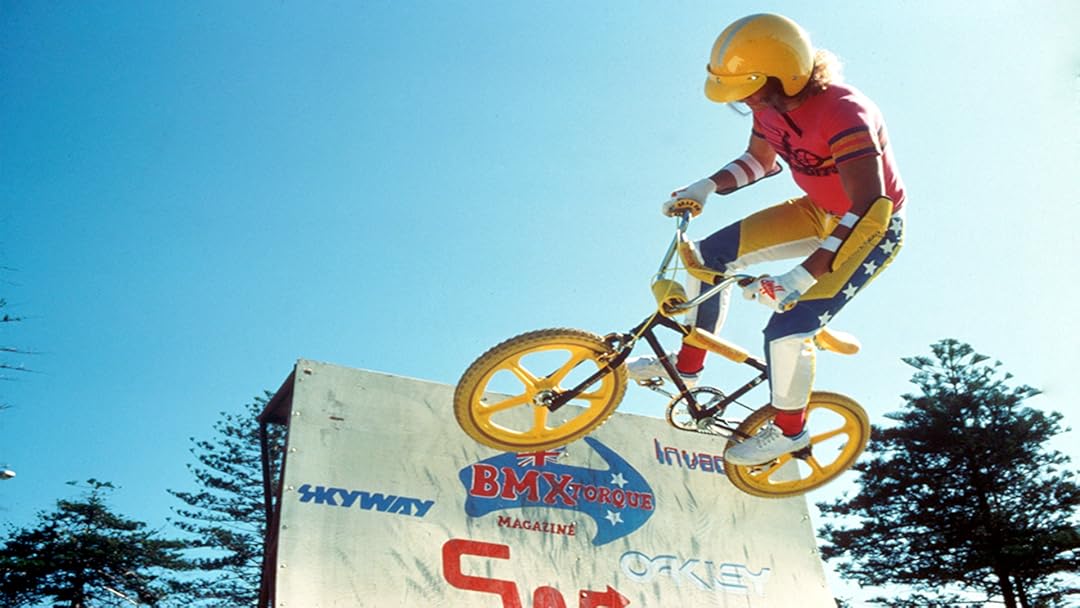
To understand BMX Bandits, you really do need to cast your mid back to the early 1980s, when popular culture was experiencing one of its periodic collective nervous breakdowns over a new toy.
BMX bikes had evolved from American youngsters modifying their bicycles to imitate motocross riders.
Small wheels, sturdy frames and the ability to survive jumps that would have destroyed an ordinary bicycle made them perfect for children who regarded the laws of physics as mere suggestions issued by boring adults.
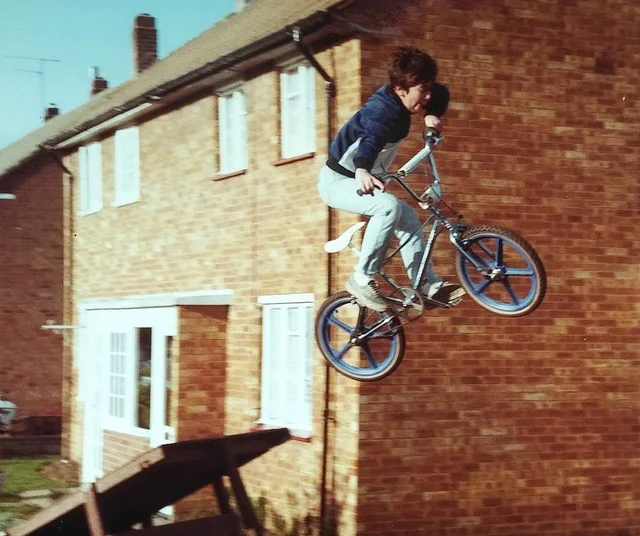
The craze spread internationally with astonishing speed. Bike manufacturers got rich, playgrounds became improvised stunt arenas, and parents discovered that their children could find new and inventive ways to injure themselves without even leaving the neighbourhood.
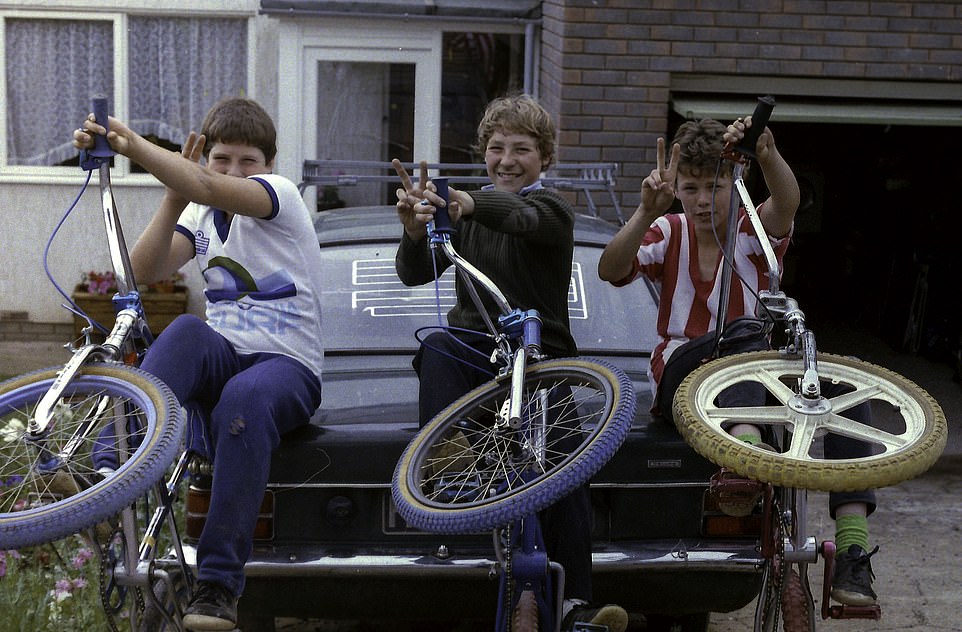
Filmmakers, naturally, recognised the potential. If audiences would watch teenagers on skateboards, why wouldn’t they watch teenagers on bicycles?
And if they could watch teenagers on bicycles, why not give them a plot involving crime, danger and a soundtrack that sounds like it was assembled from the contents of an electronic music shop?
America had the money, the infrastructure and the enormous domestic market. Britain had the best technicians in the movie business. Japan had technological wizardry and could make just about anything out of circuits.
Australia had Brian Trenchard-Smith and a rather lovely coastline… so Australia made BMX Bandits.
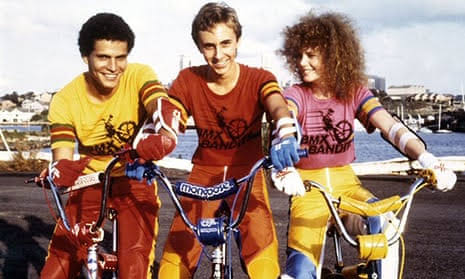
There is something wonderfully parochial about the whole enterprise. This is not a slick American production attempting to pass itself off as a universal story about youthful rebellion.
This is unmistakably Australian cinema, made with the confidence of a country that has looked at the international entertainment industry, shrugged, and decided it can probably manage the whole thing with a couple of Holden station wagons and a bloke who knows someone at the local water park.
The film’s world is small, sunlit and cheerfully provincial. The kids have adventures in recognisable public spaces, the criminals appear to have been recruited from a pub car park, and the entire criminal underworld seems to operate on the assumption that nobody has ever heard of a telephone.
Which brings us to the CB radios.
Breaker Breaker
The plot concerns three teenagers: Judy, played by Nicole Kidman; P.J., played by the wonderfully-named Angelo D’Angelo; and Goose, played by James Lugton. They discover that a collection of CB radios has fallen into the hands of a criminal gang, and these radios are connected to a scheme involving bank robbers and police communications.
Yes, radios.
Not nuclear launch codes. Not a suitcase full of diamonds. Not a computer chip capable of bringing down Western civilisation. Radios.
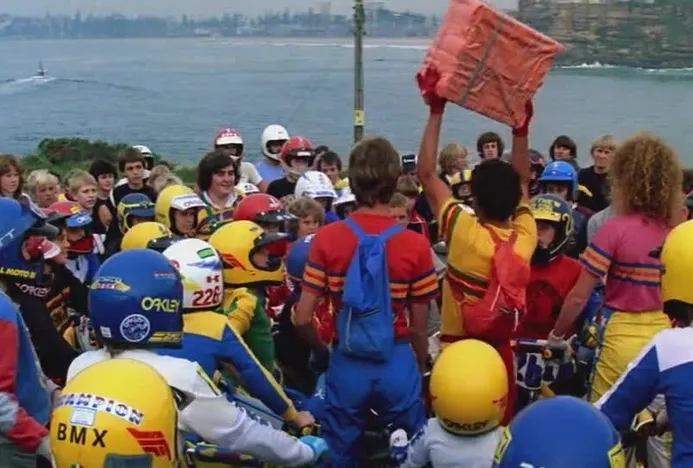
There is something magnificent about the way the film treats these devices. CB radios were a significant part of the early-1980s communications landscape, particularly among truckers and hobbyists, but BMX Bandits handles them as though the gang has stolen the Crown Jewels and the complete works of Shakespeare.
The criminals need the equipment for their nefarious activities, and suddenly three teenagers on bicycles find themselves in possession of something so dangerous that grown men are prepared to chase them all over Sydney.
The premise is gloriously daft. Imagine The French Connection, except Popeye Doyle has been replaced by a gang of children who can perform wheelies, and the criminal conspiracy depends on technology that would struggle to impress a modern delivery driver.
The film does not particularly care whether its plot survives close examination. It has BMX bikes. It has villains. It has a chase. It has Nicole Kidman. What more do you want, a coherent explanation of the Australian criminal justice system?
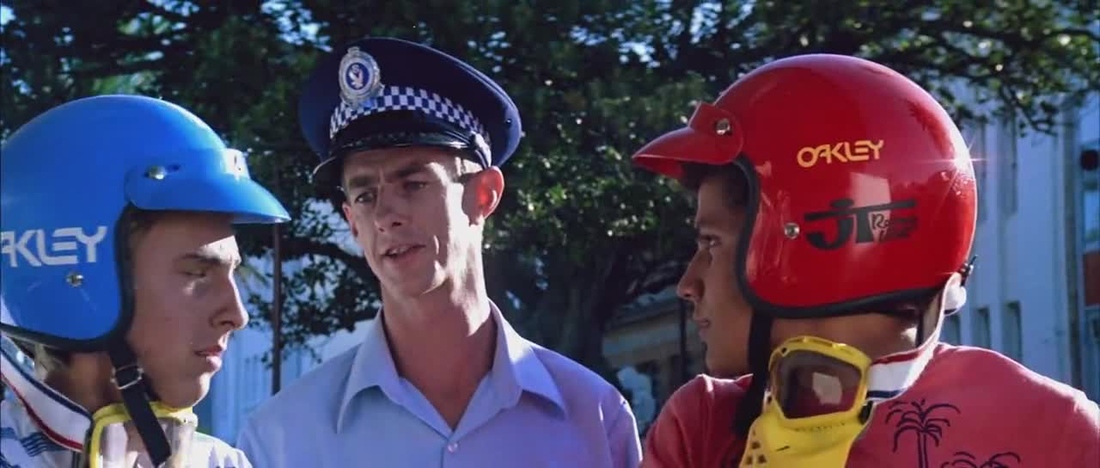
The three young heroes spend much of the film trying to evade the gang while using their bicycles to get into places where cars cannot follow.
This is a perfectly sound idea, although the criminals seem to have the strategic awareness of three Muppets on each others shoulder in a trench coat. They are forever being outmanoeuvred by children whose combined criminal experience probably amounts to sneaking an extra biscuit before dinner.
But the real pleasure is watching the movie’s utterly sincere belief that BMX bikes are the most formidable instruments of escape ever invented. A bicycle is not merely transportation here. It is a tank, a getaway car, a tactical advantage and occasionally a substitute for having any idea what to do next.
The film’s action sequences are staged with an appealing physicality, and director Trenchard-Smith understands that the audience has come to watch people do things on bikes. He delivers jumps, stunts and chases with a practical, hands-on approach that makes the whole thing feel considerably more substantial than its budget might suggest.
Nobody is stopping the film to explain that the situation is ridiculous. The situation is ridiculous. Get on with it.
Discover The Hair
And then there is Nicole Kidman.
Today, she is an Oscar-winning actress, a global celebrity, a producer, and a woman whose filmography stretches from prestige dramas to enormous studio productions.
She has worked with Stanley Kubrick, Baz Luhrmann, and just about every director who has ever wanted to make a film that leaves audiences staring at the credits wondering what the hell they have just watched.
But before Days of Thunder made her a Hollywood star, before she became Mrs Tom Cruise, and long before she was collecting awards and delivering increasingly eccentric performances in films about emotionally damaged rich people, she was a teenager in BMX Bandits.

This was one of her first major film roles, and she is absolutely adorable.
Kidman plays Judy with tremendous energy, throwing herself into the adventure with the kind of enthusiasm that suggests she has never once considered the possibility that the script might be a bit rubbish.
She has a terrific screen presence, a natural confidence and a wonderfully direct way of delivering dialogue that occasionally sounds as though it has been translated from English into Australian and then back again by a malfunctioning computer.
And the hair. Oh, the hair.
That magnificent, enormous, gloriously untamed 1980s mane deserves its own credit in the opening titles. It occupies approximately 40 per cent of the screen whenever Kidman turns sideways. It is less a hairstyle than an independent weather system. Somewhere beneath it, there may be a young actress destined for international stardom, but the hair has first claim on the audience’s attention.
One can only imagine what the wardrobe department said when she walked in. Probably something along the lines of:
“That’s fantastic, Nicole. Can we get it bigger?”
Her future career makes watching the film particularly entertaining. Here is an actress who would eventually command millions of dollars per picture, being chased around suburban Sydney by a bunch of blokes who look as though they have just finished a shift at a gas station.
There is something rather lovely about that. Before the glamour, before the premieres, before the carefully curated celebrity persona, there is a young Australian actress making a scrappy little adventure film about kids on bikes.
Every great adventure film needs a set piece that convinces the audience the filmmakers have completely lost their minds. For BMX Bandits, that moment arrives when the action takes our heroes to the famous water slides at Manly Waterworks, in Sydney’s Northern Beaches. The sequence is one of the film’s most celebrated attractions, and for good reason.
The children are being pursued by criminals, and the chase eventually takes them into the water park, where BMX bikes and water slides become part of an elaborate game of cat and mouse.
Now, there are plenty of places to escape from criminals. An alleyway. A shopping centre. A bus. A reasonably well-staffed police station, perhaps. But a water slide? Apparently, yes.
The sequence has the glorious logic of a child’s imagination. If you are being chased by armed criminals, why not dive with a bicycle down a giant slippery chute? It is certainly more entertaining than running into a police station and explaining that you have uncovered a criminal conspiracy involving CB radios.
The sheer absurdity is magnificent. Somewhere, a responsible adult must have watched the production plan and asked whether BMX bikes were actually designed to go down water slides. The answer was almost certainly no, but by that point the cameras were rolling and an Australian had decided that conventional engineering principles were for cowards.
The scene works because Trenchard-Smith understands that cinema is fundamentally about spectacle. He keeps the action moving, uses the location imaginatively and gives the bikes something genuinely exciting to do.
The stunt work is the real star, with skilled riders demonstrating that BMX riding involves considerably more talent than simply pointing the front wheel downhill and hoping for the best.

The Manly Waterworks location gives the film an unmistakable identity. This isn’t a generic American theme park or a Hollywood backlot dressed up as somewhere exotic. It is a real Australian attraction, complete with the slightly ramshackle charm of a place where the family entertainment experience might involve sunburn and a queue for the toilets.
To give you some idea of how ingrained this now is, I have spoken to a few Aussies and ex-pats who live in or around Manly Bay, and the Waterworks and BMX Bandits still get mentioned when they are giving you a feel for the place.
The film’s geography is part of its appeal. It turns ordinary Sydney locations into an adventure playground, treating shopping centres, streets, beaches and water slides as though they were the locations of a major international espionage thriller.
In the hands of a less imaginative director, this could have been painfully dull. Here, it becomes a celebration of the possibilities available to three kids with bicycles and a disregard for personal safety.
The famous log-flume-style sequence is also a reminder of something that modern action cinema sometimes forgets: you don’t need to destroy half a city to make a chase exciting. Sometimes all you need is a bicycle, a water slide and a director who hasn’t yet been told by a studio executive that every action sequence must involve a helicopter.
Where Beer Does Flow and Men Chunder
It’s impossible to understate just how much of an unknown entity Australia really was to the rest of the world in the early 1980s. Mad Max was its most recognisable export. It’s main reputation was for threatening wildlife. This was a time just pre-Paul Hogan, Crocodile Dundee and the “Come and say G’day!” marketing push.
Definitely before the big explosion of Aussie soap operas exporting their stars to Los Angeles.
Australian suburbs are brought vividly to life. One of the film’s greatest strengths is its location photography. John Seale, who would go on to become one of the world’s most respected cinematographers, brings considerable visual flair to the production.
Sydney looks gorgeous. The beaches are beautiful, the streets are sun-drenched, and the whole place seems to exist in a permanent state of early-1980s optimism.
The film has a relaxed, local quality that Hollywood would struggle to manufacture. The kids inhabit a recognisable world, and their adventures emerge from the spaces around them. They know the neighbourhood, they know the shortcuts, and they know where to go when a gang of adult criminals decides to make their afternoon considerably more complicated.
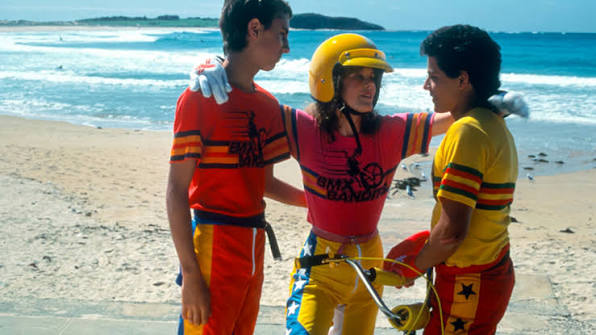
It is a very Australian kind of adventure, full of practical ingenuity and an almost touching belief that any problem can be solved by a combination of mateship, bicycles and a willingness to have a crack.
The criminals, meanwhile, are an absolute gift.
They are not sophisticated masterminds. They are not the kind of professionals who would have given Michael Mann’s bank robbers sleepless nights. They are a collection of blokes who appear to have been hired because somebody needed villains and they happened to be standing nearby.
Their pursuit of the kids becomes a rolling catalogue of humiliation. They run, they crash, they shout, they make terrible decisions and generally behave like men who have never encountered a bicycle before. Which is a bit unfortunate, given that the entire plot revolves around bicycles.
The physical comedy is broad, the timing is often delightfully silly, and the film is not remotely embarrassed about its cartoonish approach to criminality. Adults are foolish. Children are resourceful. BMX bikes are instruments of freedom. The Australian police are presumably somewhere in the vicinity, although they seem to have been assigned to an entirely different movie.
And then there is the general atmosphere of the thing. The clothes, the colours, the music, the hairstyles, the technology: everything screams 1983 with the volume turned up until the neighbours complain. It is a world of chunky radios, brightly coloured sportswear and synth music.
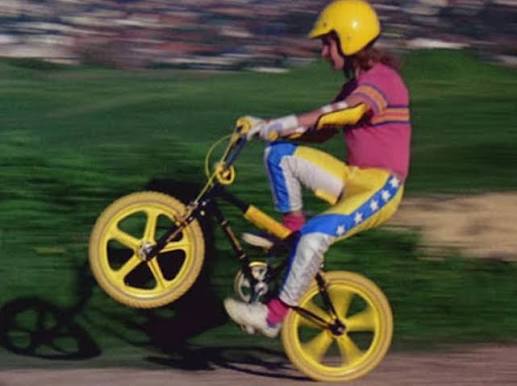
It is gloriously dated, but the film’s energy is infectious. It understands the sheer thrill of being young, having a bicycle and believing that the entire world is available for exploration.
For a certain generation, that feeling was absolutely real. Have BMX, will roam for miles with a gang of mates until the streetlights came on, and then it was time to go home for dinner. No phones, just the kind of permanent low-level danger that would have give our parents heart attacks had they known even 10% of what we were really getting up to.
At the Australian box office, BMX Bandits was not some earth-shattering phenomenon. It wasn’t going to make Australia the new Hollywood, and it certainly wasn’t going to persuade Steven Spielberg to relocate to Manly.
But the film had an advantage that would become increasingly important throughout the 1980s. As I mentioned at the start of the review, it is how it came into my life – Home video.
The videocassette recorder was transforming the way audiences watched movies. Films no longer had to live or die entirely on their initial theatrical run. A movie could find its audience later, through rental shops, television broadcasts and repeated viewings in living rooms around the world.

For a children’s adventure film tied to a global craze, this was a particularly useful development. The BMX boom had already created a generation of youngsters who desperately wanted to see bicycles doing spectacular things. VHS gave them another opportunity to do exactly that, even if their local cinema had never booked the picture.
The film received international releases and developed an enduring following, with home video helping it reach viewers well beyond Australia. It was hardly alone in benefiting from the new market, but it was ideally suited to it: colourful, accessible, energetic and uncomplicated enough that you could miss ten minutes while making a sandwich and still understand that the children were being chased by idiots.
It offered an uncomplicated fantasy of freedom, the sort that was particularly potent for children growing up before mobile phones, GPS tracking and parents receiving electronic notifications every time their offspring wandered beyond the garden fence.
You could watch BMX Bandits and imagine yourself racing around Sydney, evading villains and becoming a local legend. You could also watch it and wonder why your parents wouldn’t buy you a BMX bike with those fabulous mag wheels. Either way, the film had done its job.
The video boom helped turn many modest films into cult favourites, and BMX Bandits is a fine example of the process. It did not need to conquer the world in cinemas. It merely needed to find enough people who wanted to rent it, watch it, remember it and recommend it to someone else.
And so the Australian BMX movie that perhaps nobody outside the country had been clamouring for became an enduring curiosity of international 1980s pop culture.
Take that, Hollywood.
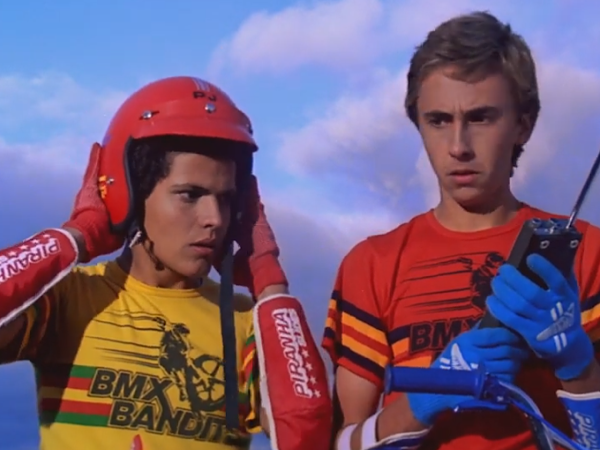
Is BMX Bandits a great film? Let’s not get carried away. The plot is thinner than Nicole Kidman would eventually become. The criminals are spectacularly incompetent. The CB radio business is an absurdly elaborate excuse to get three teenagers into trouble, and the dialogue occasionally suggests that the screenplay was written by somebody who had recently heard children speaking and decided to have a go at imitating them.
It is not exactly The Bicycle Thieves.
But it is a terrific little time capsule. It captures the BMX craze at its height, turns Sydney into a playground and gives a future international superstar one of her first major film roles. It has energetic action, memorable stunts, beautiful locations and a sincerity that makes its silliness impossible to resent.
Brian Trenchard-Smith delivers a film that understands its audience. It is not trying to be profound. It is trying to make children want to get on their bikes and go on an adventure, preferably without informing their parents of the exact details. And in that respect, it succeeds admirably.
There is a particular charm to Australian cinema from this period. It could be rough around the edges, gloriously unpretentious and entirely convinced that a good idea was worth pursuing even if the budget, the script and the laws of common sense were all working against it.
BMX Bandits embodies that spirit. And somehow, it works.
In a world increasingly obsessed with cinematic universes, billion-dollar franchises and computer-generated destruction, there is something refreshing about a movie in which the biggest special effect is a teenager riding a bicycle down a water slide while a gang of Australian crooks struggles to keep up. It is gloriously, defiantly daft.
And if you watched it on VHS in the 1980s, there is a reasonable chance you spent the next six months begging your parents for a BMX.
Which, when you think about it, may have been the most dangerous consequence of the entire film.

