


It may seem as if I have something of an axe to grind about Wicked, but I really haven’t. I have my thing, and it usually involves a man, often retired, with a particular set of skills dishing out painful justice to a bunch of hoodlums who really should have left him alone.
So I am genuinely happy that the women and the gays can have their thing, too.
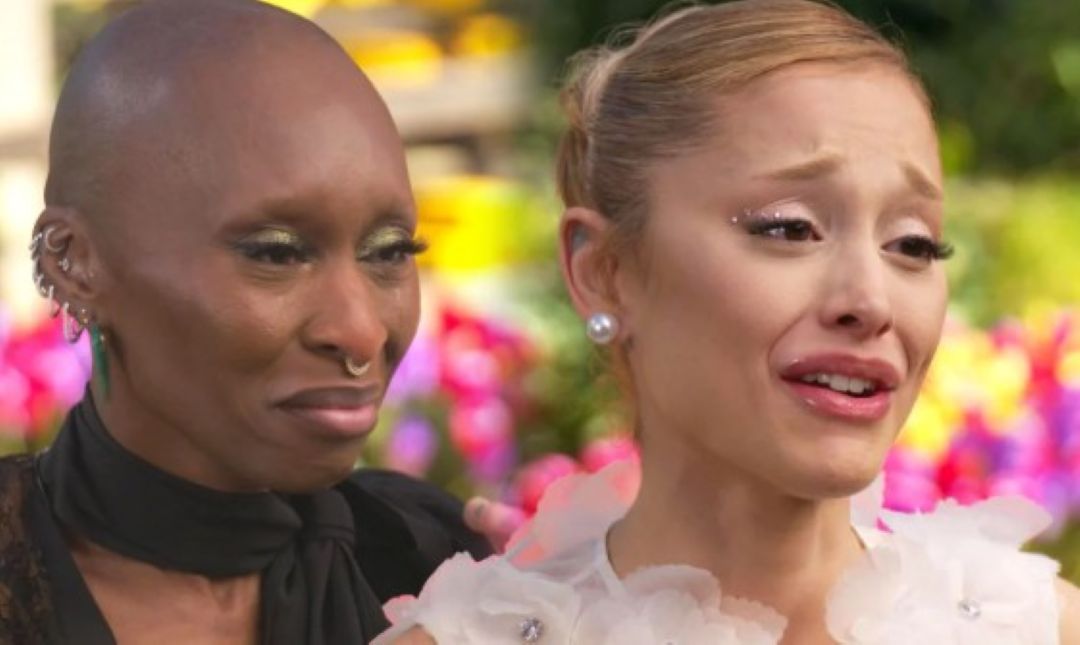
However, if you have watched any press interviews from either any Wicked or Wicked: For Good junket, you might be wondering if these people have just made a movie together, or have just been freed from a concentration camp and are telling their story.
The waterworks do not stop. The over-emoting will not be constrained. It’s not just sadness. It’s not just joy. It’s like an emotional floodgate has broken. And sometimes, it doesn’t quite feel… genuine.
The Never-Ending Tears
The stars of Wicked, namely Ariana Grande (Glinda) Cynthia Erivo (Elphaba), seem to be crying in every other interview.
There’s the viral “we’re crybabies” moment from Forbes, where someone asks, “how have you changed each other for good?” and, pronto, tears.
There’s the Vanity Fair lie-detector sketchbook interview where Grande confesses that Erivo was her favorite collaborator: cue sobbing.
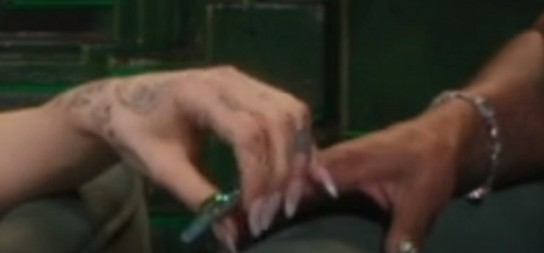
Then there’s the time Grande, mid-interview, wipes tears from Erivo’s face, clutching her hand like she’s trying to physically anchor the emotion.
You can even see it in the video compilations: in this YouTube clip, they’re tearing up together throughout, hands clasped, voices catching, like a pair of very sad sisters who just discovered they’re also best friends.
It’s like theater kids gone wild.
I first really started to notice this last week. I turned on the TV and there was a special publicity event for Wicked: For Good on Sky Movies, and I felt like I should watch it as it goes with the territory when your hobby is helping run a website like Last Movie Outpost. Within minutes, I began noticing things, and then I couldn’t stop the noticing.
Research led me to an interview where a queer journalist says fans are “holding space” with the lyrics of Defying Gravity. Grande and Erivo respond by gripping hands, blinking back tears, and basically acting like they’ve been personally touched on a cellular level.
Erivo admits she didn’t even know that was “happening,” while Grande just holds her finger and nods like it’s the most spiritual, vulnerable thing in the world.
Even when not blubbing, there is a grand level of performative over emoting in every response and every interaction. Something weird is happening.
Some aren’t buying it. As The View host Alyssa Farah Griffin put it bluntly, she thinks Erivo was such a good actor in that “holding space” moment that she just said the right thing while putting on a peak-performance cry-face.
Take a moment to think about what just happened here. I found myself agreeing with The View. This new world makes no sense.
So are these tears, or any of the rest of it, real or just very good theater?
Charitably, and for balance, you could make the argument that Grande and Erivo are just emotionally raw. Ethan Slater, their co-star, says he thinks the tears come from a “genuine place.” According to him, the two “bonded really deeply” while making these films, which was a long and intense process, and their real-life friendship mirrors their characters’ relationship. He describes it as “soul mate” level.
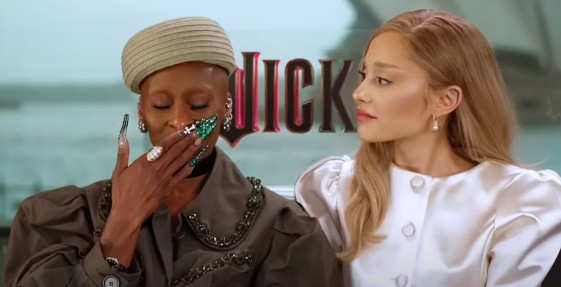
But here’s where things get weird, as it is not just the tears. The tone of their emotion often feels performative rather than vulnerable. Their smiles between sobbing? There’s a kind of studied, polished quality to them as if they’ve got a public-relations playbook on how to look moved without actually being unguarded.
Their director, Jon M. Chu, even addressed it on stage. He claims that they’d “lived both movies”, meaning, they’d already emotionally processed so much on set that the tears in the press are justified.
That explanation sounds generous… almost too convenient. It’s like he’s saying: don’t mistake this for PR, this is artistic immersion – but the effect is very much public-relations theatre.
Fake Smiles, Empty Eyes
Watching Grande and Erivo clutch each other and tear up, you might notice something curious. Their smiles.
When they grin, it’s tight, rehearsed. not fleeting or spontaneous. Their eyes, meanwhile, don’t always sparkle with joy. Sometimes they look tired, like they’ve just done another “cry for camera” session and now they’re forcing the big Broadway-level grin for the next question.
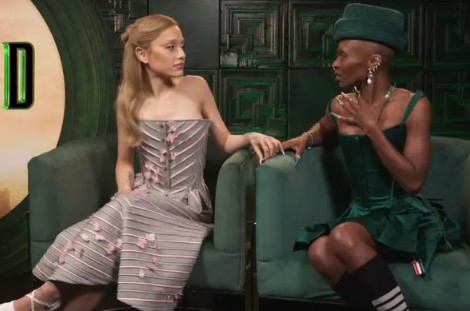
This isn’t just speculation; even some regular media outlets have called their emotional outpourings “cringey” and “over the top.” On Reddit, fans have openly mocked the “self-obsessed crocodile tears.”
Another thread put it bluntly, saying of Grande:
“Her voice sounds like she’s playing a character in an SNL skit.”
So, why do they do it? There are a few plausible theories, and they rattle around somewhere between the genuinely theatrical and the calculated.
One of them is marketing by tears. Emotional sincerity (or the appearance of it) sells. In the age of social media, being “deeply moved by friendship and representation” plays well for reach, engagement, and “authentic connection.”
Another option is press-tour burnout masked as vulnerability. Press junkets are exhausting. Actors retreat into the emotional themes of their films to make it feel meaningful, rather than purely promotional.
It could be a performance for the fans. They know their audience. Wicked is beloved by theater kids, queer audiences, women, and people who need something to treasure like its message. Grande and Erivo lean into that, giving this audience not just a movie but a kind of press tour performance, too.
Or, it could be a real feeling, filtered for photo ops. They might actually feel this deeply. But even real emotion can be polished for public consumption, especially when you’ve been through months of interviews and marketing.
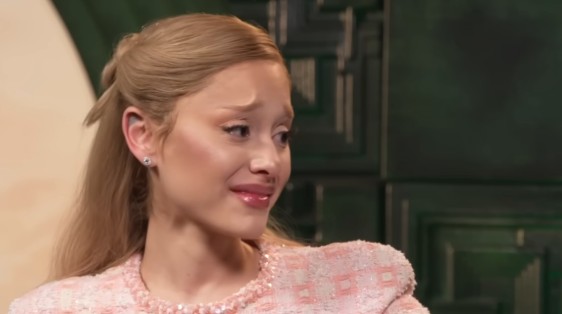
Look, I’m not saying Grande and Erivo are evil or phony people, but the nonstop crying feels less like “this role changed me” and more like “this role is me,” and they’re signing on to that narrative with the full emotional run. Sometimes it’s raw. Sometimes it’s too much. And yes, sometimes it feels like a very well-rehearsed piece of PR theatre.
The next time you watch Wicked: For Good promo, when the tears swell, the hands grip, and Grande dabs at Erivo’s face, just remember: you’re watching actors, yes, but it could also be a very carefully choreographed emotional campaign.
It could just be shallow and performative, because it’s female-centric, and this is what feminism has been reduced to in the age of Tik-Tok – shallow and performative.

