


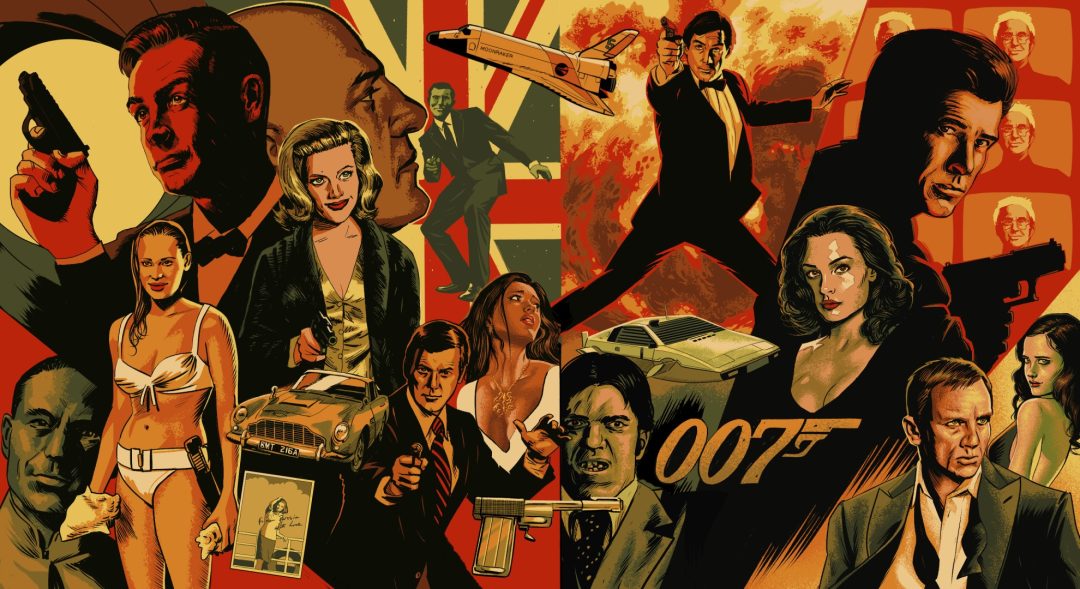
The winds of change had blown through the world, and through cinema. Facing a new reality once again, the James Bond franchise had to evolve as it always had done. To lean into this new and more cynical world of shifting loyalties, gray areas, and blurred lines between the good guys and the bad guys, the franchise did what it always did when it came time for change. It returned to Ian Fleming for inspiration. This time they went back to the very beginning. Where it all started. Casino Royale.
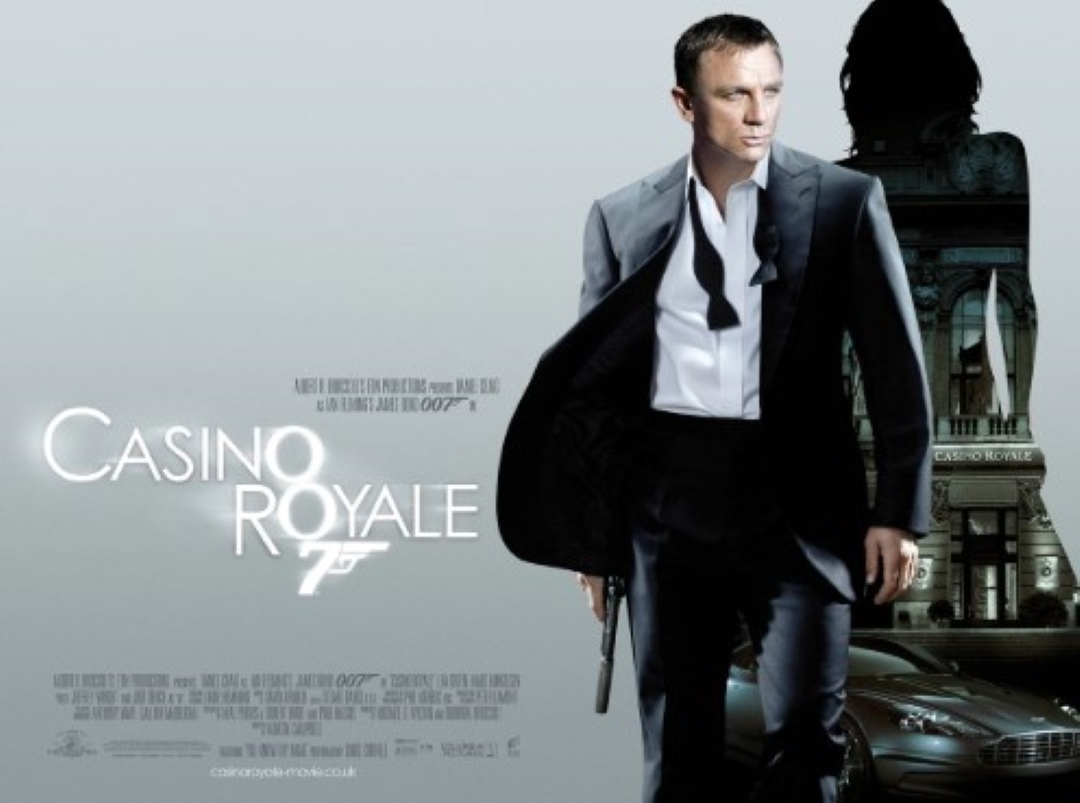
Casino Royale – Behind The Scenes
This Bond film had the most complex and overlong journey to the screen than any other entry in the Eon franchise. The journey actually started in the 1950s. The very first Bond novel written and published had a very lean story. In it, newly promoted 00-agent James Bond, fresh from getting his second kill to confirm his new status, is sent into action.
His mission seems simple on the face of it. As the best card player in the service, he will be gambling at the casino in Royale-les-Eaux to try to bankrupt Le Chiffre, the treasurer of a French union and a budget holder for the Soviet secret service, who are funding the union to ferment industrial unrest in France.
The British Secret Service is involved because the Soviets were infiltrating British unions for the same purpose at the time.
It introduces the character of Bond and many staples of the series of books, such as M, Felix Leiter, and Rene Mathis.
The rights were originally sold to CBS to form an episode of their Climax! Series. The 1954 television episode starred Barry Nelson as an American Combined Intelligence agent, “Card Sense” Jimmy Bond. Peter Lorre was the villain, Le Chiffre.
The rights to Casino Royale remained outside of the control of Eon Productions for many years.
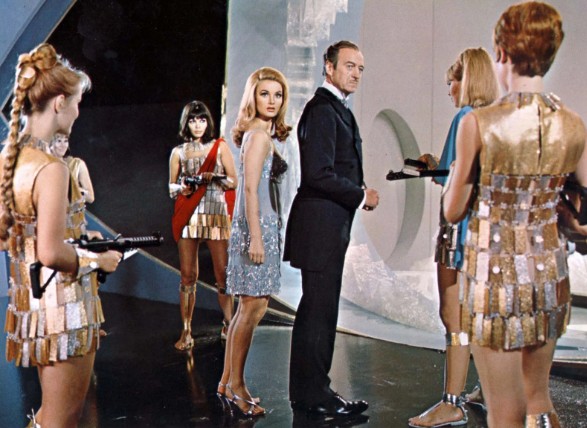
A 1967 ensemble satirical film starred David Niven, Peter Sellers, and Woody Allen, attempting to cash in on the popularity of the newly minted James Bond movie franchise.
These rights continued to elude Eon until 1999, when Sony Pictures Entertainment exchanged them for Metro-Goldwyn-Mayer (MGM)’s rights to Spider-Man. Finally, after half a century, Eon had the rights to make a movie based on the very first Bond adventure.
Casino Royale – Laying The Groundwork
In March 2004, Neal Purvis and Robert Wade began writing a screenplay. At this stage Pierce Brosnan was still Bond, and the aim was to perform a periodical return to Fleming and Bond’s roots, after the fantastical nature of Die Another Day.
Early drafts followed the novel closely, with some modern embellishments to expand the story and bring it up to date. These early drafts still featured a Madagascar set opening, and rather than an airliner attack at Miami airport, the central theme of the first act was a hijacking of a cruise ship off Cape Town.
Director Quentin Tarantino expressed an interest in directing the movie, but he insisted on setting it in the 1960s while still featuring Brosnan in the role.
Eon declined, but it is possible this is where the ideas of a return to an earlier version of Bond started to percolate. Also, the cinema landscape changed with the Star Wars prequels having proved people would still turn out for stories set earlier than the established timeline.
Meanwhile, Batman Begins was about to land in theaters and prove that the concept of a full-reboot would be accepted by audiences.
That was very bad news for Pierce Brosnan, who had completed his four-movie contract with Eon but was in active negotiations for a fifth turn as the character. Every expectation was that he would be back in the role.
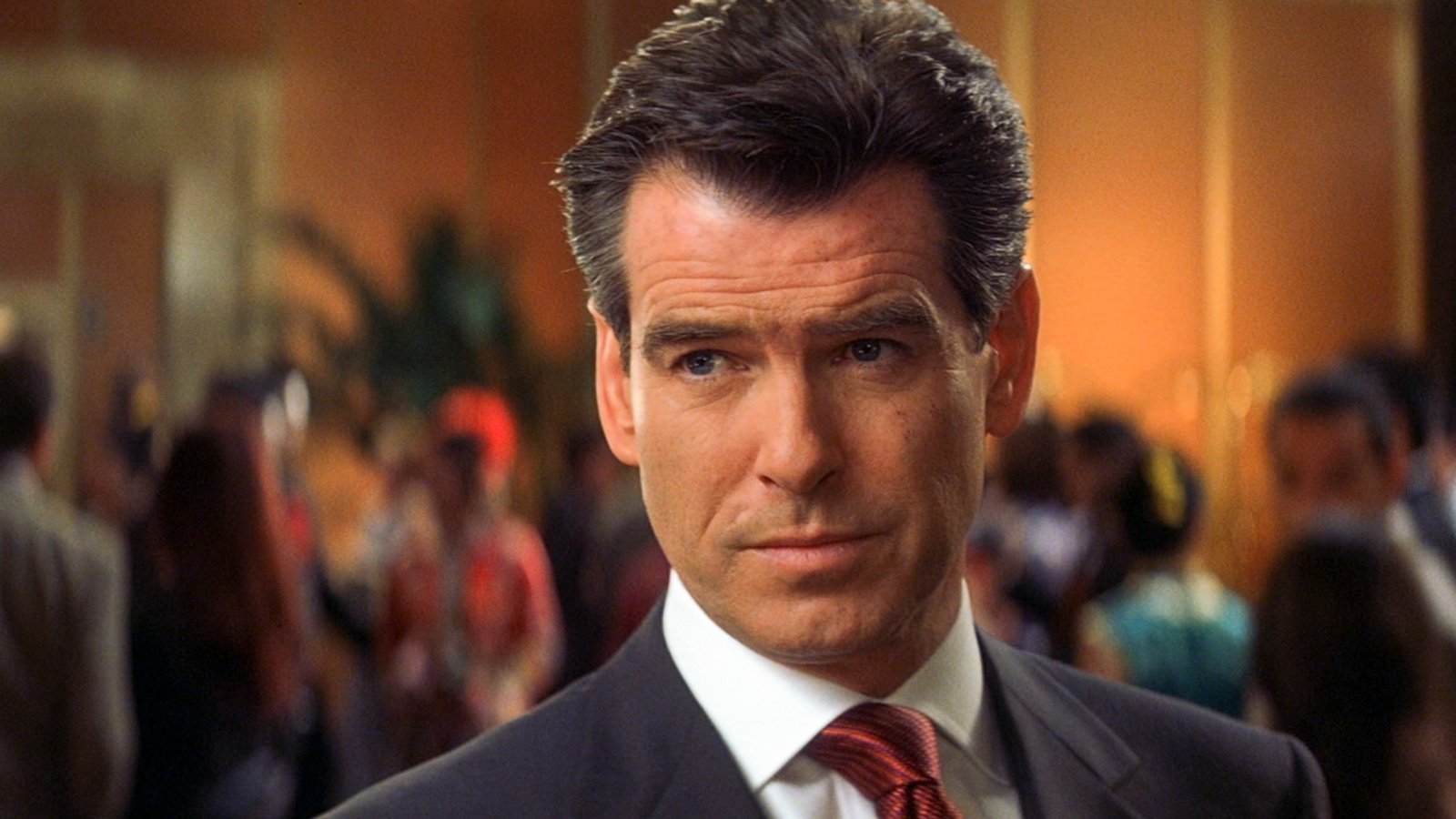
Contract negotiations were advanced, and the feeling in the industry was that it was just a case of the fine print. Until it wasn’t…
Broccoli and Wilson seemingly couldn’t move past the idea of resetting, or rebooting, Bond to capitalise on having the rights to the first ever novel back in their control.
Brosnan was away from home, working on another film in the Bahamas, when his agent informed him that negotiations had suddenly broken down.
He told Brosnan that Broccoli and Wilson would contact him the following week.
When Brosnan recalls the conversation during that follow-up phone call, he says he asked them straight out if he still had the role.
Broccoli began to cry and responded “We’re so sorry”, while Wilson remained stoic and told him “You were a great James Bond”.
Later reports indicated that, after Brosnan’s highly successful movies, the large fee being demanded to sign an extension also contributed to the decision.
So the search for a new James Bond was on, while the script continued to be refined.
The opening scene, in which Bond earns his 00 license, was originally going to consist of a mash-up adaption of key parts of two Fleming short stories – The Hildebrand Rarity and 007 in New York.
Matthew Vaughan was rumored to have had a conversation with the producers about directing. In February 2005, Martin Campbell, who previously directed GoldenEye (1995), was announced as the film’s director.
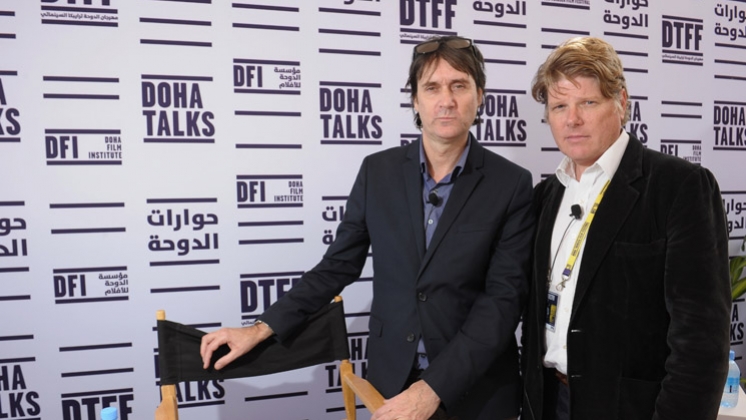
Campbell felt Purvis and Wade’s draft needed a rewrite, and suggested hiring Paul Haggis. Haggis polished the dialogue and rewrote the climax of the film.
The Purvis & Wade script was faithful to the novel, in which Vesper confesses to Bond and commits suicide. Then, in the script, Bond goes to confront the villains.
Haggis felt that Vesper and her suicide were better included within the climactic action. The decision was also made to make the pre-credits scene of Bond earning his 00 status shorter and leaner.
Eon gave a steer to the production to back away from CGI and lean towards practical. The push was for Casino Royale to be made “the old-fashioned way”.
Casino Royale – The New Bond
While all this was coming together, they still had no 007.
A huge search was underway, and there are so many different accounts of who was spoken to, who was offered what, and when, that it is very hard to discern fact from fiction.
What is clear is that there were a lot of conversations.
Hugh Jackman and Christian Bale would both claim to have been offered the role and turned it down. Although it is more likely that, in reality, they were offered a screen test and declined.
Clive Owen was looked at again, as was Ralph Fiennes.
Croatian actor Goran Višnjić blew his audition because he simply couldn’t get the English accent.
Sam Worthington, Dougray Scott, Sam Heughan, Matthew Rhys, Michael Fassbender, Julian McMahon, Rupert Friend, Antony Starr, Karl Urban, David Tennant, and Ewan McGregor were all looked at by casting directors to various levels.
According to Martin Campbell, Henry Cavill was the only other actor he considered to be in serious contention for the role outside of Daniel Craig, while casting director Debbie McWilliams felt that the candidates for Bond in their 20s lacked charisma and maturity.
Somebody close to the production said that Craig was offered, but turned it down initially. With Cavill considered too young, future Hawaii Five-O star Alex O’Loughlin was actually the new James Bond for a very short time until Craig reconsidered.
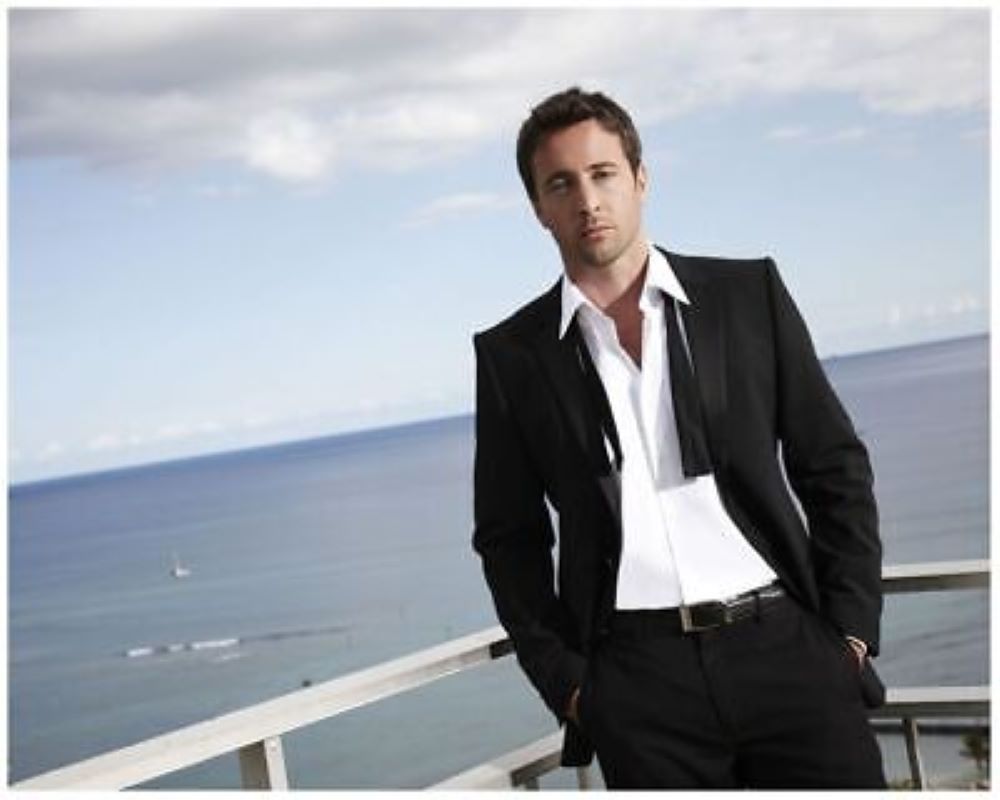
Meanwhile, producers Broccoli and Wilson maintain that Craig is the only actor they were fully serious about in the final stages, and they went in to bat for him.
Whatever happened, it is possible we may never really know, as there are so many competing stories.
Either way, Craig was cast and the series was set for one of its periodical re-sets.
When Craig was revealed to the world as the new James Bond, the internet exploded. The online movie community was at the height of its powers, with studios still not quite having achieved wrestling back narrative control from these new outlets.
The “Craig Not Bond” petition began to circulate. With Craig coming to his unveiling announcement direct from reshoots of The Invasion, with longer blonde hair and not yet into his training regime for the role, the online outrage reached a crescendo.
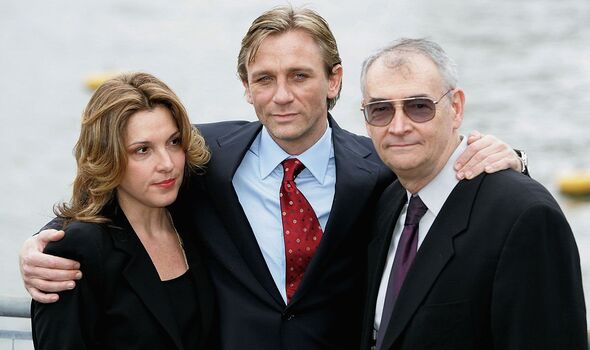
In response, everybody on the production closed ranks, determined simply to prove everyone wrong.
Casino Royale – Femme Fatale
The key role of Vesper Lynd was also a challenge to cast. The producers looked closely at both Angelina Jolie and Charlize Theron, but felt their profiles brought too much baggage that might overshadow the requirements of the character in this story.
French actress Audrey Tautou was also considered, but not chosen, because of her role in The Da Vinci Code.
Cécile de France, Rachel McAdams, and Olivia Wilde were all in the running until Eva Green was chosen.
Michael G. Wilson had stated Casino Royale would either be filmed or take place in Prague and South Africa. However, Eon Productions encountered problems in securing film locations in South Africa.
Instead, they switched to Paradise Island in the Bahamas, also standing in for Madagascar.

A large amount of the shoot took place at Barrandov Studios in Prague, with The Grandhotel Pupp, Karlovy Vary standing in as the Casino Royale Montenegro. Prague would also provide other background locations as Montenegro.
Additional shooting would take place in Italy and at Pinewood Studios in the UK. Demonstrating their ongoing ability to use alternative locations to full effect, the Bond team had the famous Top Gear facilities at Dunsfold Aerodrome in Surrey stand in as Miami International airport, and the cricket pavilion at Eton College as Lahore Cricket Ground in Pakistan. That scene was cut from the completed movie.
The Millbrook Vehicle Proving Ground in Bedfordshire would be a Montenegro highway.

For the Venice finale, the scene with Bond on a sailboat was filmed aboard a 54-foot yacht named Spirit. She was transported from her builders in Suffolk, England, and had to be demasted to fit under various Venetian bridges to reach the filming location making her the first sailing boat to go up the Grand Canal in Venice for 300 years.
Product placement deals with Ford, Heineken, Smirnoff, Omega SA, Virgin Atlantic, and Sony Ericsson all offset the production costs.
Casino Royale was notably more violent than many of its predecessors. In the US, censors demanded cuts to the fight between Bond and the contact in the bathroom, and the fight with Obanno in the stairway at the casino.
When Casino Royale was released, it broke records and garnered critical praise, with one critic noting that:
“Daniel Craig delivers what fans and critics have been waiting for: a caustic, haunted, intense reinvention of 007.”
Two fingers were raised in the direction of the “Craig Not Bond” organisers who would slink away in embaressment.
Critics such as Paul Arendt of BBC Films, Kim Newman of Empire, and Todd McCarthy of Variety all described Craig as the first actor to truly embody Ian Fleming’s James Bond from the original novel: ironic, brutal and cold. Arendt would say:
“Craig is the first actor to really nail 007’s defining characteristic: he’s an absolute swine.”
Do You Expect Us To Talk?
Wrenage: I don’t know about this one. The end of the Pierce Brosnan era really pushed Eon into a weird place. Lots of actors were in the mix for the new Bond at that time: Hugh Jackman, Karl Urban, Sam Worthington, Clive Owen, and even Henry Cavill.
Why they went with Peter Sellers is a mystery to me. How they went with Peter Sellers is a mystery to me. I thought he died in 1980.
Anyway, Casino Royale sees Bond come out of retirement to deal with SMERSH, which is being run by Bond’s nephew, Jimmy. He wants to use biological warfare to make all women beautiful and kill all men over 4’6. All of this is…
Wait…what? Why are you frantically waving at me to shut up…
Stark: Remember that time you accidentally rented the wrong version of Snow White from the… ahem… “Special Interest” section of the video store rather than the “Family” section? Yeah. Well, you are in the same territory. You really should have known the difference between Snow White and The Seven Dwarves and Snow White has The Seven Dwarves.
Ranking And Rating
Let’s get to the ratings and rankings. Wrenage and Stark will give their opinions on the Bondian elements found in Casino Royale and come up with a score and ranking to place them appropriately in their league table of all things Bond.
Bond
Stark: I remember reading that Craig accepted the role after reading the script, and then went and read all of Fleming’s novels to prepare for the part. He said he took inspiration from the Mossad and British Secret Service agents who served as advisers on the set of Munich.
“Like them, Bond is a killer[…] You can see it in their eyes, you know immediately: oh, hello, he’s a killer. There’s a look. These guys walk into a room and very subtly they check the perimeters for an exit. That’s the sort of thing I wanted.”
I think he succeeded. As many people said at the time, it feels as if this Bond really would fuck you up in a fight.
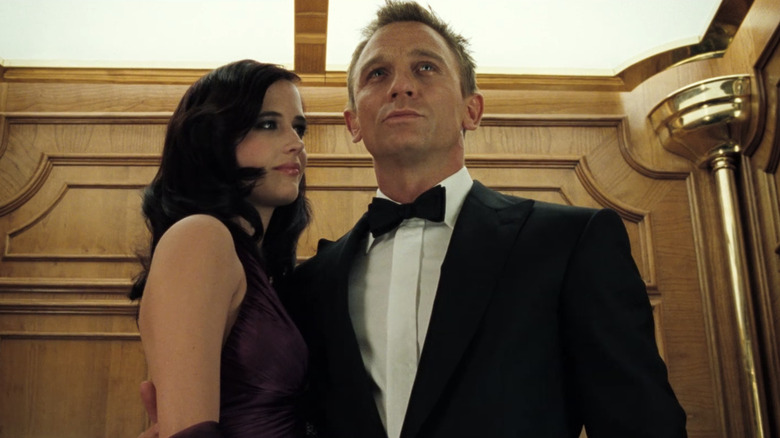
Wrenage: My initial reaction to Daniel Craig being chosen for Bond was…who? Then I saw him show up for the PR event looking like a pale rat in a baggy suit. Does this man have the flu, I wondered? And he’s blond? This is going to be a disaster.
As time goes on, I’m also fairly certain Craig and his wife have an “agreement,” and he might possibly wear frilly underwear.
But credit where credit is due, Craig took his vitamins, came in, and nailed Bond. No, he did more than nail Bond. Craig gave what I consider to be the greatest Bond performance ever. I didn’t even know Bond could be this much of a character.
Connery, Lazenby, Moore, Dalton, and Brosnan are all great, but Craig actually hits a level of acting above and beyond anything the other guys brought to the table. That’s not a knock on them. Casino Royale is simply a more grown-up take on the subjects. Eon made a definite tonal shift for this new iteration.
Stark: Craig was very much a serious “actor”, with lauded performances in smaller roles on stage, and the TV screen. Before him, Dalton was probably the most accomplished “actor” in the role, craft-wise.
Wrenage: Craig is everything in the part. He is deadly, dangerous, smart, cunning, humorous, sensitive, insightful, brutal, charming, uncompromising, and whatever else Bond needs to be to complete a mission.
The physicality of Craig was also unexpected. The dude can do an action scene, and how the movie used the action scenes as an extension of Bond’s character was a great touch. Bond’s chase of Molloka illustrates his bullheaded nature, but it also shows how he always looks for an advantage to improve his chances. Every step of the way, Bond takes an easier path to conserve energy. Plus, the way Bond walks into an embassy and tears the place apart to get the man he wants is top-notch. As for that smile Bond gives when the would-be bomber blows himself up? Primo!
On the flipside, you also see Bond being tortured and facing the very real possibility of his painful death. Once he assimilates the truth of the moment, he disdainfully laughs in the villain’s face, even after being told his defiance will lead to Vesper’s death. That’s cold-blooded.
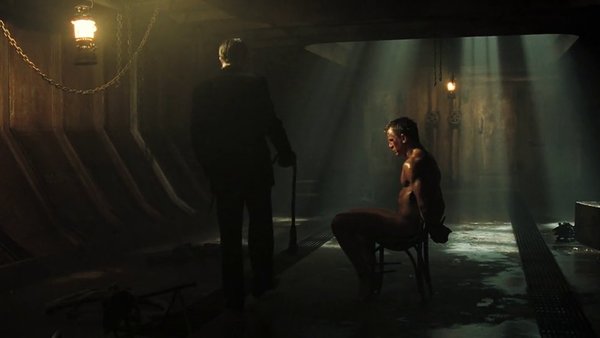
Stark: I remember that the audience in the theater was just stunned in places as they had missed all the press coverage about the Fleming-esque reset and just wandered in expecting another Moonraker of Die Another Day.
Bond Girls
Stark: I remember not being completely sold on Green as Vesper from the trailers. As a fan of the original novel, I knew how important the role was. I think it is fair to say she overcomes that completely in the movie and I was wrong.
Wrenage: Eva Green as Vesper may also get my vote as best Bond Girl ever. She also operates at a level of acting not really seen in the franchise before. Most of the other Bond Girls, even Diana Rigg as Bond’s great love in On Her Majesty’s Secret Service, still played things a bit cheeky. Aside from the verbal sparring on the train, Green mostly avoids that style.
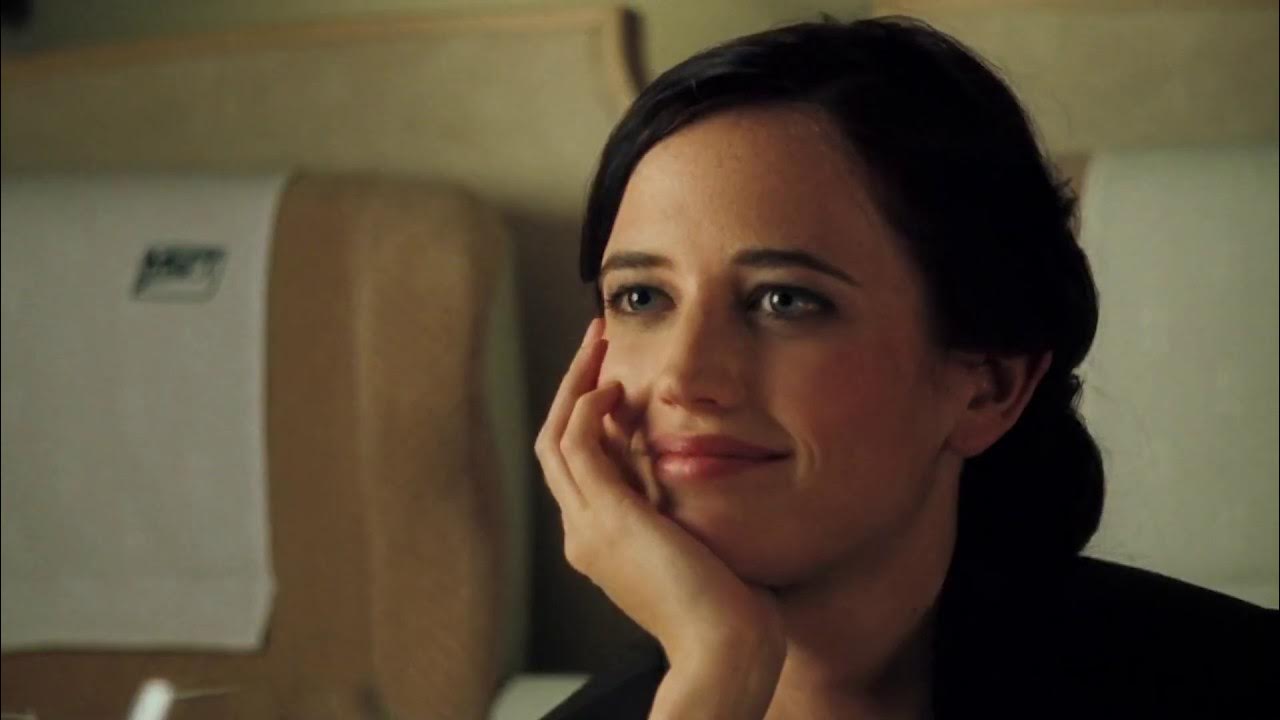
Green also had to play both love interest and femme fatale, as she had to fall in love with Bond, ultimately betray him, and then sacrifice herself. She walked the line nicely and looked like a million bucks doing it. Green displays enough vim and vigor to make one believe she could melt Bond’s icy heart. It’s not so much that she is Bond’s equal. She is a kindred spirit.
Vesper is still not as good as the sublime Stacey Sutton, as played by Tanya Roberts, but some heights can never be reached, no matter how much one stretches.
Stark: Not enough screaming?
Wrenage: I dare you to say that to Stacey’s soft, sensitive face!
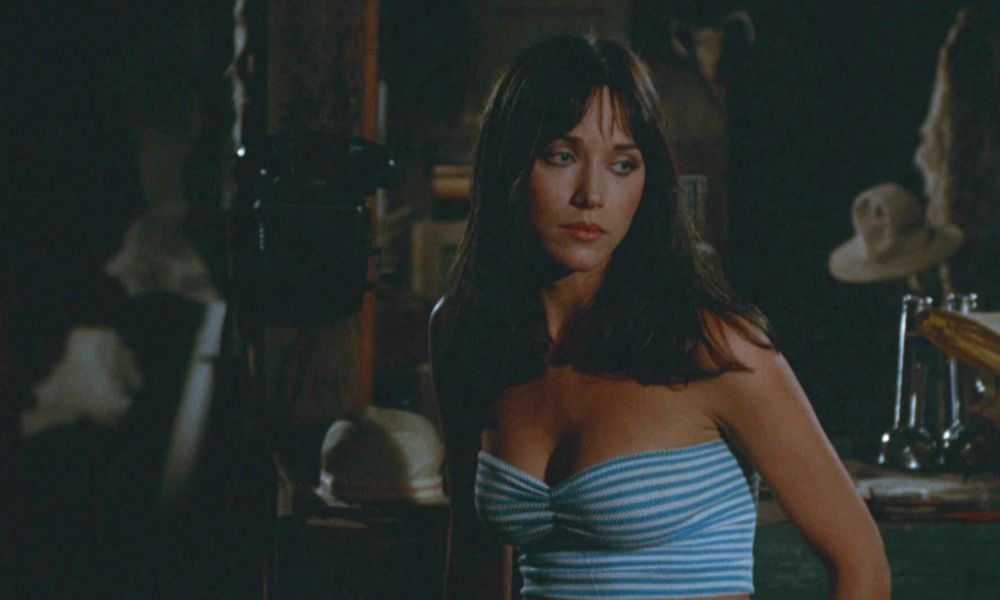
Stark: Her face? Oh yes… her face.
Villains
Stark: This is the movie that really put Mads Mikkelsen on the international map. He’s chilling and dangerous, but also smarmy, as he is basically just the money man. He’s not an action-inducing physical threat to Bond in the traditional sense.
So does that make Steven Obanno, the African warlord, kind of his henchman? Normally, when the villain is less physical, the henchman is key – see Stromberg and Jaws, for instance.
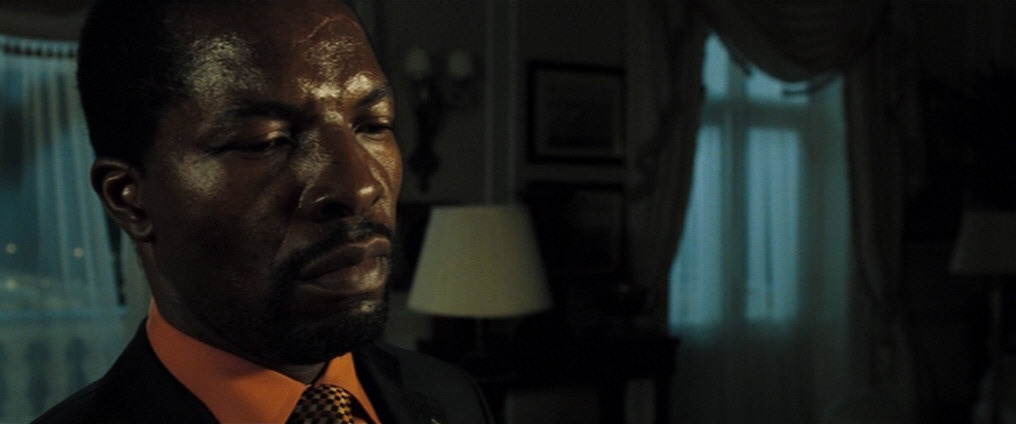
Wrenage: You can’t go wrong with Mads Mikkelsen. I’m still bitter he wasn’t cast as Roland in the Dark Tower. He should have also been Doctor Doom. But, whatever. Here we get him as a Bond villain.
Ultimately, Mads is hampered a bit by the character limitations. Le Chiffre is basically a banker and a card player at the end of the day. He does get to play a torturer, sure, but it would have been nice to get to see Mads flex a bit more than being mostly subjected to a chair at a poker table. Mads in a more Scaramanga role would have been aces.
Aside from Mads, the villain’s presence is a bit too vague in Casino Royale. I guess Obanno qualifies as a henchman role, but he doesn’t get enough screentime to be memorable.
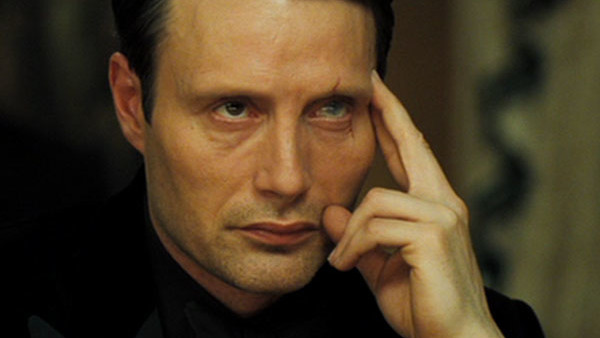
Stark: I like that they had the balls to go with Le Chiffre’s fate from the book. He’s killed because at the end of the day he fucked up with SMERSH’s money. Bond is spared because he simply wasn’t the target.
Plot
Wrenage: The plot is admittedly schizophrenic. The first hour is an action film. The second hour is a poker film. The final half hour is a doomed love story/action scene. It all mostly comes together. The throughline is Craig carrying it all.
A couple of snags are hit. For example, the bugging of Le Chiffre’s inhaler leading up to the stairwell fight is a bit of a headscratcher, but, hey, the fight was fun. That seemed to be the main point of it all — to reinject some action into the second act. Otherwise, the poker part of the movie would be almost entirely sitting around.
Stark: I don’t find the plot schizophrenic at all. It’s clear and direct to me.
How do you make a game of cards exciting to an observer? Well, for starters, they replaced Baccarat with Texas Hold ‘Em poker because the world was in the grip of some kind of weird poker renaissance in 2006.
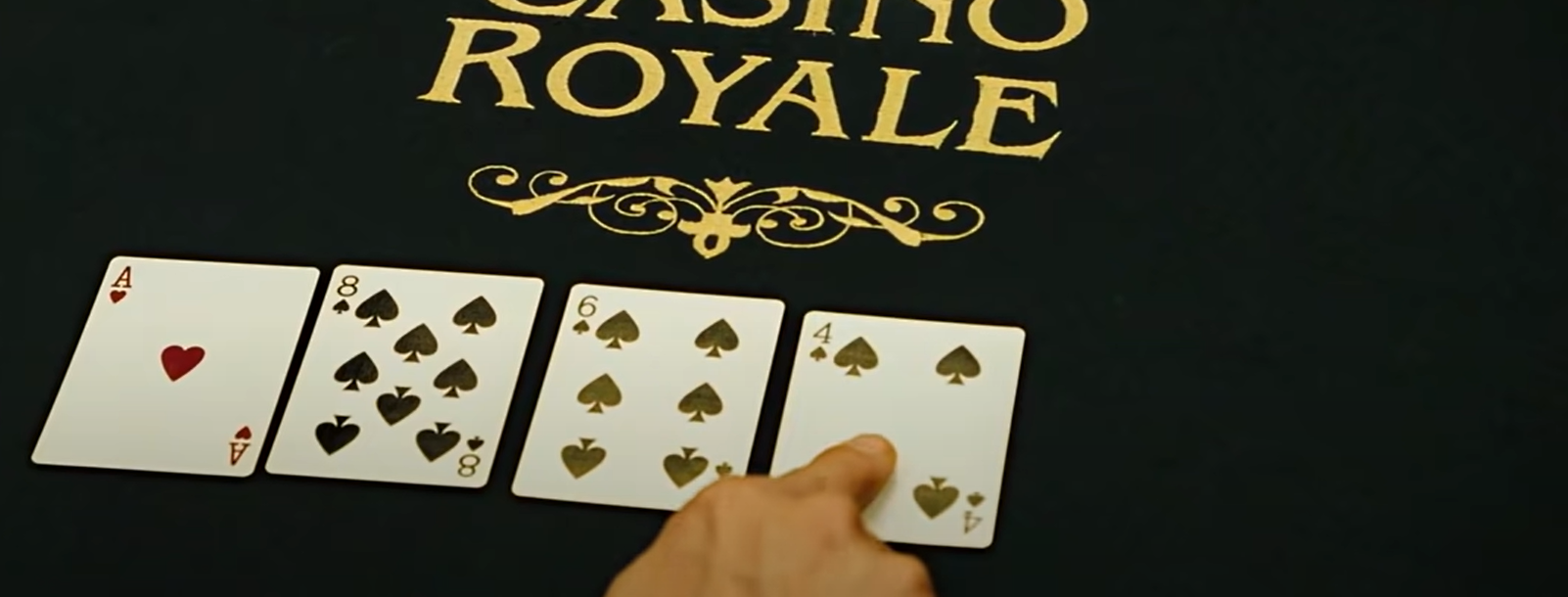
Do you remember it? Poker was on TV. Men excused themselves from their wives to gather with other men and play it. Phrases like “The flop” and “The river” entered the lexicon. Strange times.
Wrenage: Everyone hopped on the poker train. My friends and I even started playing poker. I even played poker with nieces and nephews for candy. I still remember my youngest niece going all in against my wife. My niece had like three Jacks. The pile of candy was formidable, including numerous Cadbury Creme Eggs, which were worth “$20.” My wife ended up with three aces. She mercilessly took all of the candy. My niece learned a valuable life lesson that day…
Stark: Just how seriously everyone started taking it, too. Genuinely acting like they had a damn clue what the hell was going on and they really understood the percentages. Embarrassing.
Action Sequences
Stark: The stairwell fight is a particular favourite of mine. It’s brutal for any movie, let alone a Bond movie. The layering of tension in the airport scene is also superb.
Wrenage: The first hour of Casino Royale flows like water on a stone. The parkour chase, the embassy shootout, and the airport fuel truck mayhem are all excellent. I don’t know if Martin Campbell shot that stuff or if the second unit did, but they did a fabulous job on lensing that aspect of the movie.
The editor, Stuart Baird, deserves credit for shaping it all into a cohesive whole. Baird has worked on a ton of big films. Superman (1978), Outland, Lethal Weapon, The Last Boy Scout, Demolition Man, and more. All of his edits make the action easy to follow, and it flows nicely from A to B to C.
Stark: Is there a traditional Bond action set piece in this movie? Arguably, there are a few. The crane fight edges close to the “big stunt” status, and the Aston flip broke a world record at the time. It is still hard to pin it down to one big moment. It just has lots of them.
Wrenage: The finale is not as good as what came before it, but the sinking villa is an interesting concept. The fight choreography is quietly creative, too. I like when Bond rips the electric cable off the wall to jolt a guy, and that front kick/stomp of the man with one eye is fun.
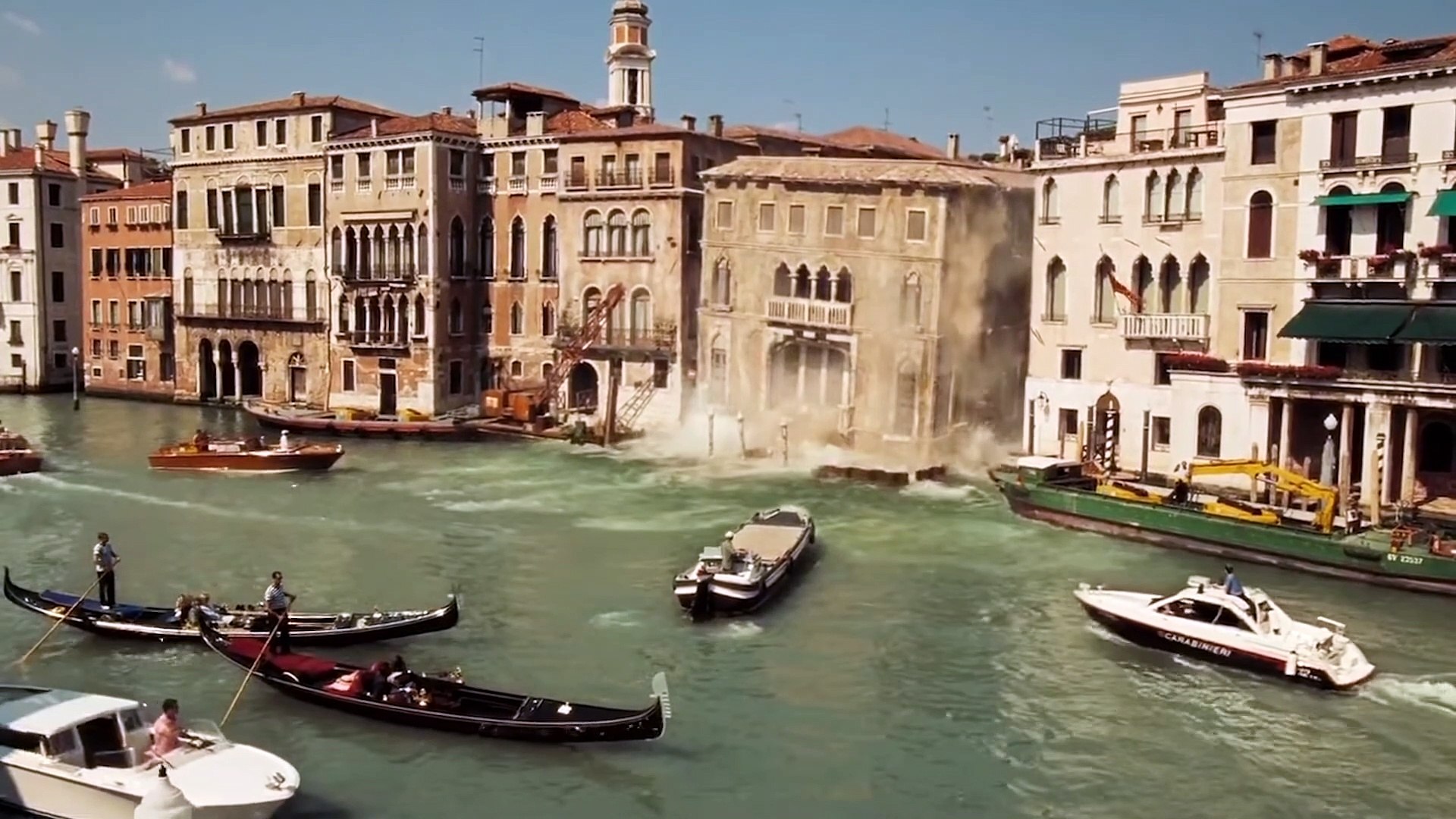
The man with one eye also sent my imagination into overdrive for the follow-up to Casino Royale. Since Le Chiffre had a bad eye, and that guy at the end had a bad eye, I thought maybe they were part of a secret organization that took people’s eyes as initiation. Pity that never happened…
Stark: The Secret Society of the Wonky Eye?
Wrenage: The weird part is that guy reminded me of the nerd character Douglas Kenny played in Animal House. So, maybe the secret society was actually Delta Tau Chi after getting kicked out of Faber College…
Pre-Title Sequence
Wrenage: The pre-title is oh so simple but oh so great. The black-and-white grittiness of it gives it a great spy-movie tone. But what really sells it, again, is Craig. The fight scene intercut with conversation works well. The way Bond doesn’t let his target finish his sentence about how the second kill is easier is as cold-blooded as Bond gets.
“Yes, considerably,” Bond says after blowing his target away.
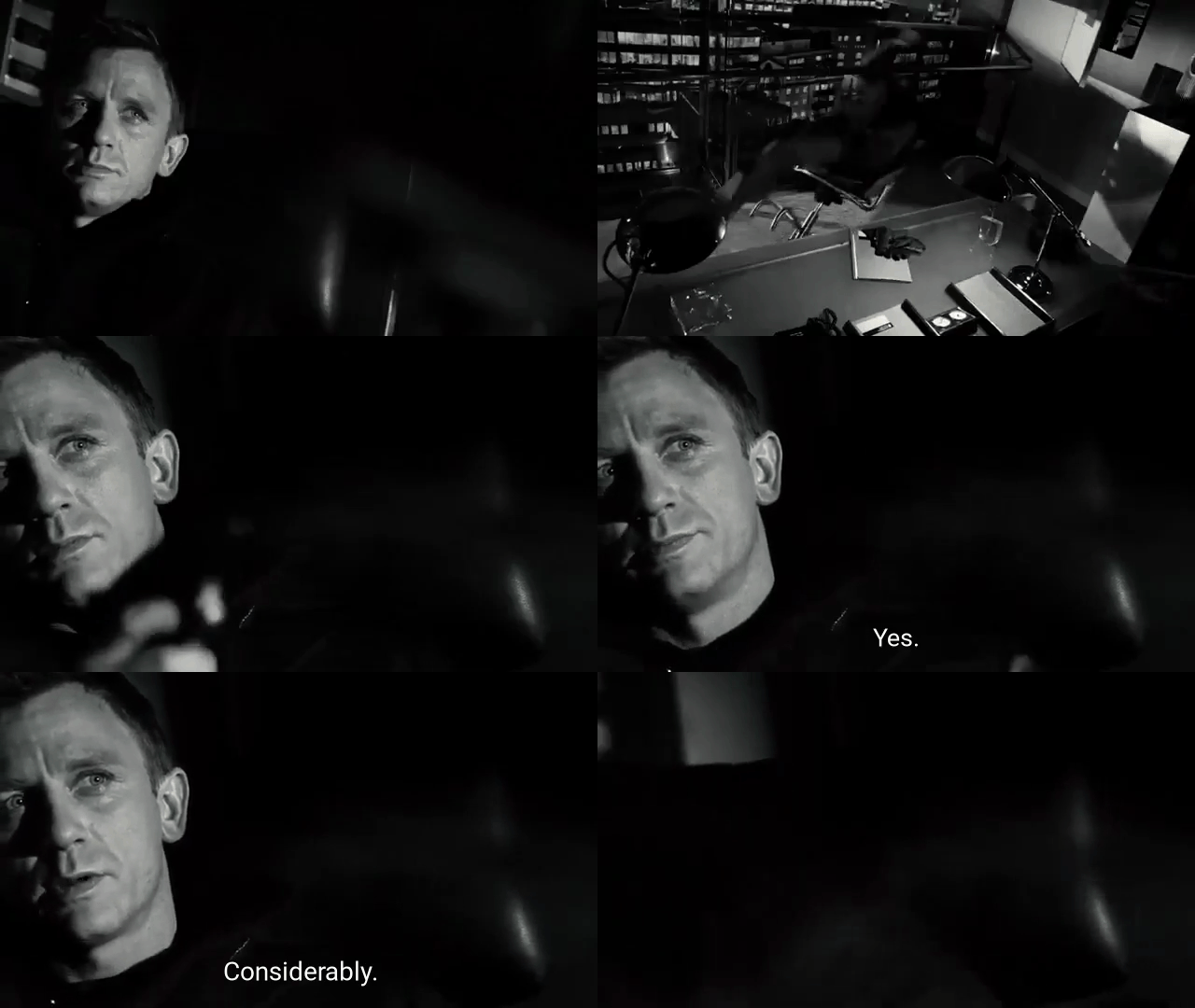
Craig’s first line is also perfectly delivered. “M doesn’t mind you earning a little money on the side, Dryden. She’d just prefer it if it wasn’t selling secrets.” Craig seems to give it a bit of a Connery lilt. “Selling shecrets…”
Stark: It was so unbelievably different from what people were expecting. He was supposed to ski off a cliff or flip a speedboat or something. When that gunbarrel came up, and the theme started, people in the theater were discombobulated… but in a good way.
Wrenage: My general impression of Purvis, Wade, and Haggis, who wrote the screenplay, has soured over time, but they were in the zone on Casino Royale. I also like Felix Leiter’s line of, “Does it look like we need the money?”
Theme Song And Score
Wrenage: Chris Cornell belts out a lively tune. Cornell might be the best male vocalist heard in the Bond movies. The fresh style of the opening titles pairs nicely with it. The song is a great introduction to a new Bond while paying credit to the ones that came before. I like the way it ends with Craig becoming a silhouette. This implies that Bond is a faceless entity, and all of the actors who played him fit the character.
Stark: Still one of my all-time favorite Bond themes, and I have no feelings about Soundgarden or Audioslave at all. Didn’t really know who he was before this title, but he absolutely nails it.
It just really works with the concept of the movie and the imagery.
Wrenage: As for the score itself, David Arnold continues to do good work. This time he doesn’t work the classic score in until the end, which is a nice touch. Bond isn’t truly Bond until the closing scene. Seems to me Arnold successfully avoided sounding too Bondian until it became time to sound Bondian.
I especially liked Arnold’s score in the third act. He introduced some nice threatening melancholy to the proceedings as Bond and Vesper trek to Venice for her eventual death.
Stark: The best Bond soundtracks work when they blend the theme into the orchestral arrangement, like The Living Daylights, On Her Majesty’s Secret Service, or A View To A Kill.
I think Arnold does this here very well.
X-Factor
Wrenage: New Bond, of course. That is the biggest X-Factor.
Stark: It doesn’t really get any bigger than that, ever, does it? We have another new 007 due any time now. I wonder where the new regime is going to go. Possibly a conversation for another time…
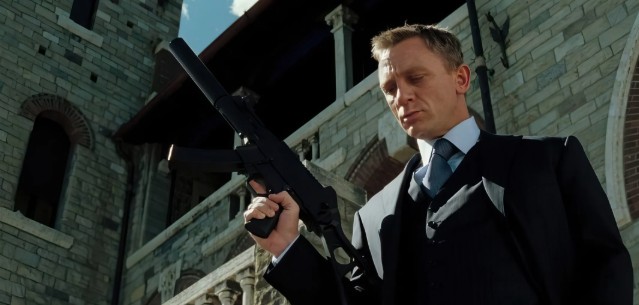
Wrenage: Casino Royale also has my favorite ending. The way Bond strolls up on the wounded Mr. White, stands over him in is Goldfinger-cut suit and says “Bond, James Bond,” as the theme kicks in, is good stuff. It almost makes one think Eon had been sitting on this film for a while and was waiting for a new Bond to set it into motion. Things seem more thought out than usual.
Stark: I think there was just a lot of thought and a damn good blueprint because they made sure they went back to Fleming.
Wrenage: Casino Royale also gives some glimpses into Bond’s psyche. For example, the fact that he almost lost his manhood might be why he appreciates using it so much. Likewise, Bond’s bitter delivery of “job’s done; the bitch is dead,” influences his view of women.
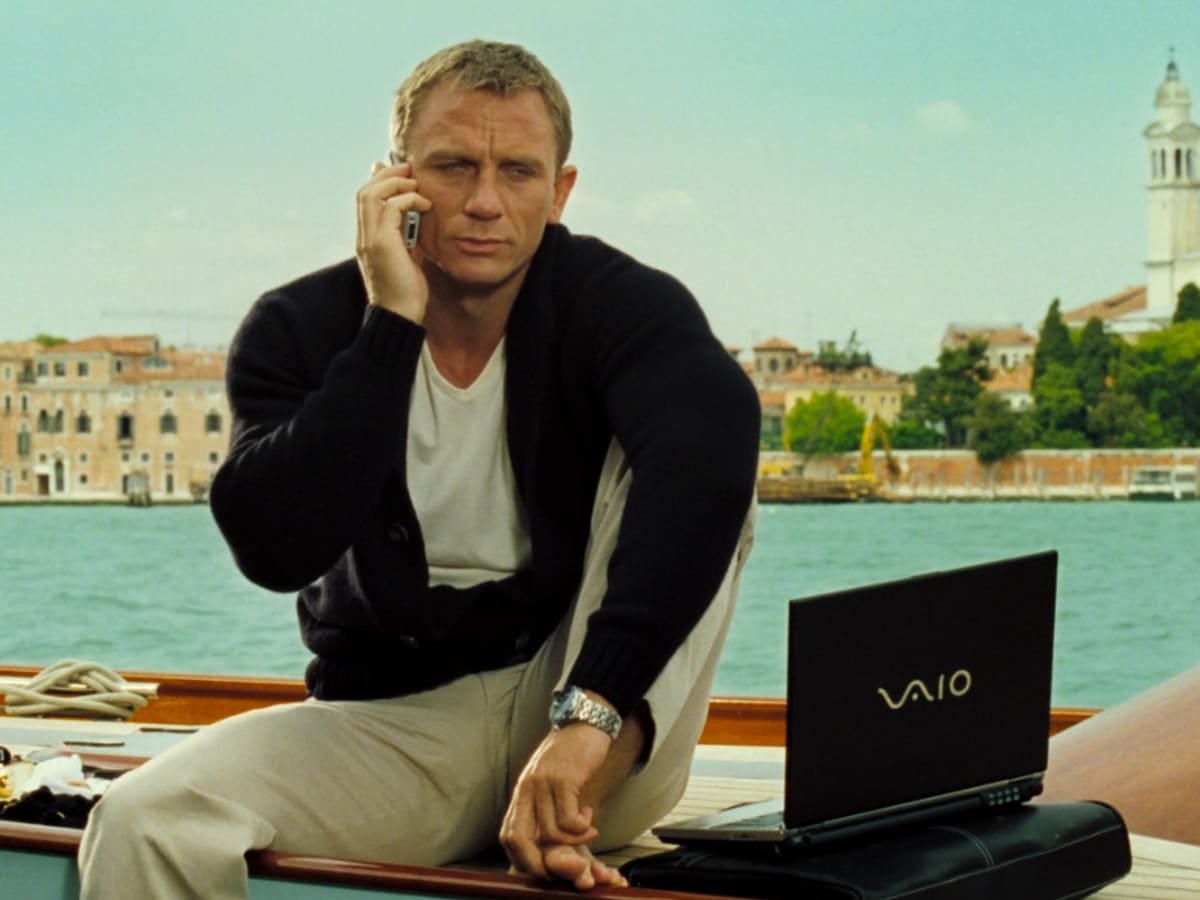
Stark: There is a LOT about Bond’s attitude towards women, none of it as misogynistic or one-tracked as idiotic commentators would have you believe, that is woven into Craig’s portrayal of Bond over the coming movies.
Scoring Breakdown
| Stark | Wrenage | |
| Bond | 10 | 10 |
| Bond Girl | 8 | 10 |
| Villain | 8 | 7 |
| Plot | 8 | 7 |
| Action Sequences | 7 | 8 |
| Pre-Title Sequence | 9 | 9 |
| Theme Song | 9 | 9 |
| X-Factor | 9 | 9 |
| TOTAL | 68 | 69 |
Stark: Well… remember back in the day, many and many moons ago, when you came up with this scoring system and we started this mad, mad journey? Here we are 21 movies (22 if you include Never Say Never Again), and it’s throwing up some things. Oh, is it throwing up some things…
Wrenage: I suspected from the beginning that the Casino Royale entry would be a love letter from both of us. I did not expect it to take such a commanding lead on all that came before it, though. It’s an outlier. Probably the closest comparison is On Her Majesty’s Secret Service. Casino Royale and that Bond entry are more “films” than “movies,” in my opinion. That’s the beauty of the “sum of the parts” method rather than the “whole.” If we scored on the “whole,” A View To A Kill would dominate all other Bonds!
Stark: Steady on! The Living Daylights and GoldenEye being as low as they are is gonna irk me until the day I die. You are just going to have to live with my burning disappointment until the end of time.
Wrenage: At the end of the series, we can do our “subjective” ranking against the “objective” ranking. For now, I have one more subjective opinion to float. Since I’ve taken my madness this far, I’m going to take it a step further. Indulge me.
Craig should have gotten a Best Actor nomination for Casino Royale. Since Casino Royale came out in November 2006, that would put it in the 2007 ceremony. Here were the Best Actor nominations that year: Forest Whitaker (The Last King of Scotland), Leonardo DiCaprio (Blood Diamond), Ryan Gosling (Half Nelson), Peter O’Toole (Venus), and Will Smith (The Pursuit of Happyness).
Are you kidding me? Leonardo for Blood Diamond? Craig could have easily been on that list, and he could have won, too.
Stark: You might actually be on to something here. For a start, Leo was in his era where he could have taken a particularly creative dump, and it got a nomination. Still dining out on fucking Gilbert Grape, if you ask me.
Meanwhile Craig took hold of a long-established character, that had so much baggage, by the scruff of the neck. Despite massive headwinds and a hugely depressing internet campaign, he just raised a middle finger to all that and said “Bond… James Bond” while making the whole world sit up and take notice.
Overall Rankings
After Die Another Day, the second tier remained running hot, but Casino Royale has the potential to shake things up a lot, depending on where it lands. Does this solve the second-tier issue…?
First Tier:
Casino Royale (68.5)
From Russia With Love (61.5)
On Her Majesty’s Secret Service (61)
The Spy Who Loved Me (59.5)
Dr. No (56.5)
Licence To Kill (56)
Second Tier:
Goldfinger (54.5)
Thunderball (53.1)
Live and Let Die (53)
Tomorrow Never Dies (52)
You Only Live Twice (51.5)
For Your Eyes Only (51.5)
Third Tier:
Octopussy (51)
The Living Daylights (50.5)
Moonraker (48.5)
A View To A Kill (48)
GoldenEye (47)
The World Is Not Enough (43)
Fourth Tier:
Die Another Day (42)
The Man With The Golden Gun (38.5)
Diamonds Are Forever (34.5)
With Casino Royale jumping straight to the top, and more movies meaning we can up the limits slightly in each tier, it solves the second-tier issue. Stark will be happy because it lifts GoldenEye out of tier-four (Stark: being in that tier is a crime against Bond!), and Wrenage will be happy as A View To A Kill remains ahead of GoldenEye.
That’s A Wrap
Stark: As we go deeper into the Craig era I get the feeling there might be some stormy waters ahead.
Wrenage: The clouds are on the horizon, but I suspect we will have at least one more partly sunny day.
NEXT TIME… Stark gets really grumpy because he had already written thousands of words on the next instalment that were lost to the internet Gods, and opinions potentially diverge even further for an always controversial entry into the series – Quantum Of Solace.
Meanwhile, check out the rest of our Bond On series as we take a walk through all the Bond movies in order: Dr. No, From Russia With Love, Goldfinger, Thunderball, You Only Live Twice, On Her Majesty’s Secret Service, Diamonds Are Forever, Live And Let Die, The Man With The Golden Gun, The Spy Who Loved Me, Moonraker, For Your Eyes Only, a two-way Battle Of The Bonds for Octopussy and Never Say Never Again, A View To A Kill, The Living Daylights, Licence To Kill, GoldenEye, Tomorrow Never Dies and The World Is Not Enough. Last time around, we tackled Die Another Day.

