


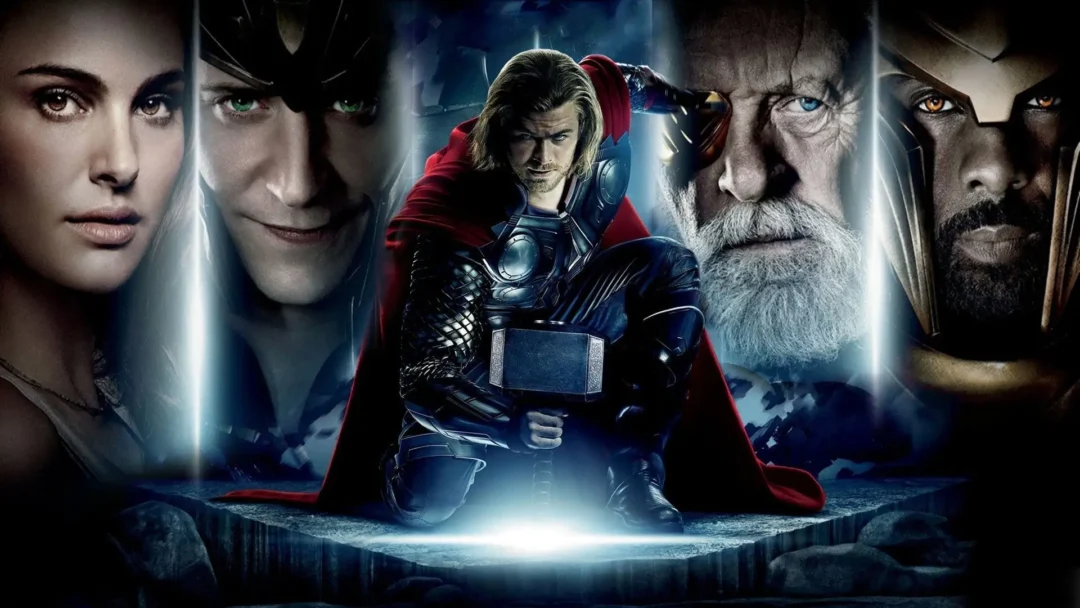
Cast your mind back to the late 2000’s and early 2010’s. The MCU was emerging, wobbly-legged, blinking into the sun. Nobody had any idea if it would work. There was Iron Man (2008), The Incredible Hulk ( 2008), then Iron Man 2 (2010). The connective tissue was wafer-thin. Merely hints in post-credit stingers.
In 2011, Marvel took what was, at the time, a big gamble. They released Thor. The very definition of a 3rd tier character from their comic stable. One from an unshakeably weird part of the Marvel universe, vs. the Earth-bound tech persuasion of characters like Tony Stark. It shouldn’t work… it couldn’t work…
…and then it did.
A big reason for that was hiring renowned Shakespearean actor and director Kenneth Branagh. He took the basic ridiculousness of the whole thing and treated it with reverence and respect, crafting something that, somehow, managed to blend space opera with Shakespearean melodrama by way of a fish-out-of-water story, grounding it into the infant MCU.
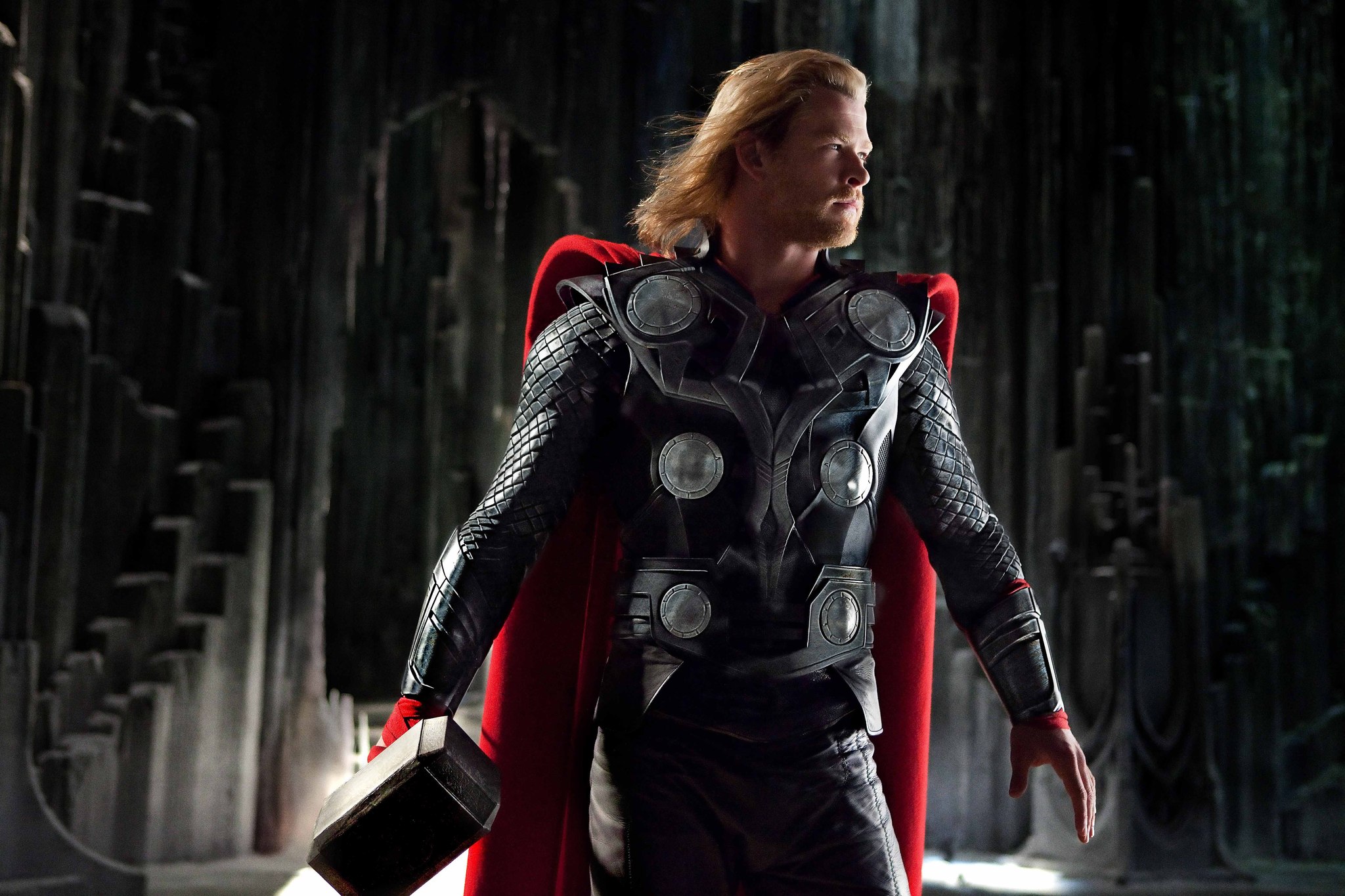
Branagh looks you in the eye right from the start and effectively says to the audience:
“Look, this is about a pan-dimensional space Norwegian who flies over a rainbow bridge with a magic hammer! I know it’s ridiculous, you know it’s ridiculous. Just go with me on this?”
So you do, and you are rewarded with one of the most sure-footed entries in the entire MCU, from one of the most risky and ridiculous characters and backstories.
Now, in an interview with Kevin McCarthy while out promoting Mayday, Branagh has talked about some of the choices he made while making Thor, and an underappreciated aspect came up – Branagh’s extensive use of Dutch angles in the film.
The Dutch angle, also known as Dutch tilt, canted angle, vortex plane, oblique angle, or a Durkin, is a shot that involves setting the camera at an angle so that the shot is composed with vertical lines at an angle to the side of the frame, or making the horizon line of the shot not parallel with the bottom of the frame.
This produces a viewpoint akin to tilting one’s head to the side. In cinematography, the Dutch angle is often used to portray psychological uneasiness or tension. Famous examples of the use of this technique include The Third Man (1949) or 12 Monkeys (1995).
Branagh said that it was a conscious decision, and that Marvel were concerned over his use of them to the extent that they investigated toning them down:
“I could never understand why people were so baffled by that choice [to include Dutch angles]. I go back to any run of the comics, but a classic one, the Kirby runs, and just look at the framing. Look at the framing. It’s all canted. It’s all, you know, German Expressionist – which of course already sounds like it’s mega-pretentious – but it was really just more about visual impact.
It was just what would hit you in a story about gods. You needed to make some things more or less important… I know that there was a conversation at some point in some part of the Marvel universe where they had a conversation about what would it cost to horizontalize this movie. And I am glad to say that the cash price for that process was so prohibitive.”
So there you go. Part of the very fabric of one of the most creatively successful Marvel movies to date was retained mainly because Marvel Studios couldn’t afford to re-work them.
Branagh has frequently said that he would consider returning to the MCU, particularly to re-visit the world of Thor one final time.

