


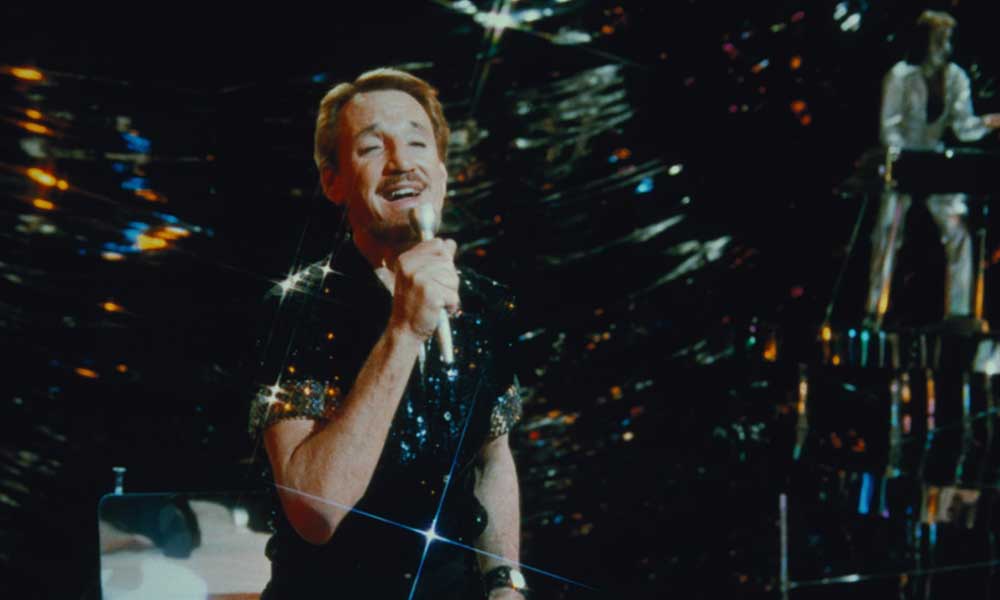
All That Jazz (1979) sees Roy Schieder play the least gay Broadway choreographer in the history of the world.
I know what you’re thinking: Wow, Hollywood sure has a crazy imagination!
Yet, it’s not all fiction. All That Jazz is a semi-autobiographical film about Bob Fosse, who is maybe the most influential figure in twentieth-century jazz dance. Fosse created Broadway musicals like Damn Yankees and Chicago.
Fosse also broke into the world of film. He directed the Liza Minnelli Cabaret and won an Oscar for it. Fosse directed All That Jazz, as well, which is clearly a passion project based on his experiences on Broadway and dealing with personal issues and health problems.
It is easy to take all that information in with a groan. Who wants to watch a movie that sounds like an ode to jazz hands? Yet, that drunk, womanizing, pretentious douche somehow created a compelling film with a vision.
Maybe it’s a near-sighted vision, but it’s still a vision, regardless.
All That Jazz impressed Stanley Kubrick, who called it “the best film I think I have ever seen.” Obviously, this was before Kubrick saw Commando because that did not come out until 1985, but his words still carry a degree of weight for consideration.
Let’s consider All That Jazz. Some spoilers will happen…
All That Jazz
It is difficult to sum up the plot of All That Jazz because it takes the idea of plot as a loose series of suggestions rather than a three-act structure.
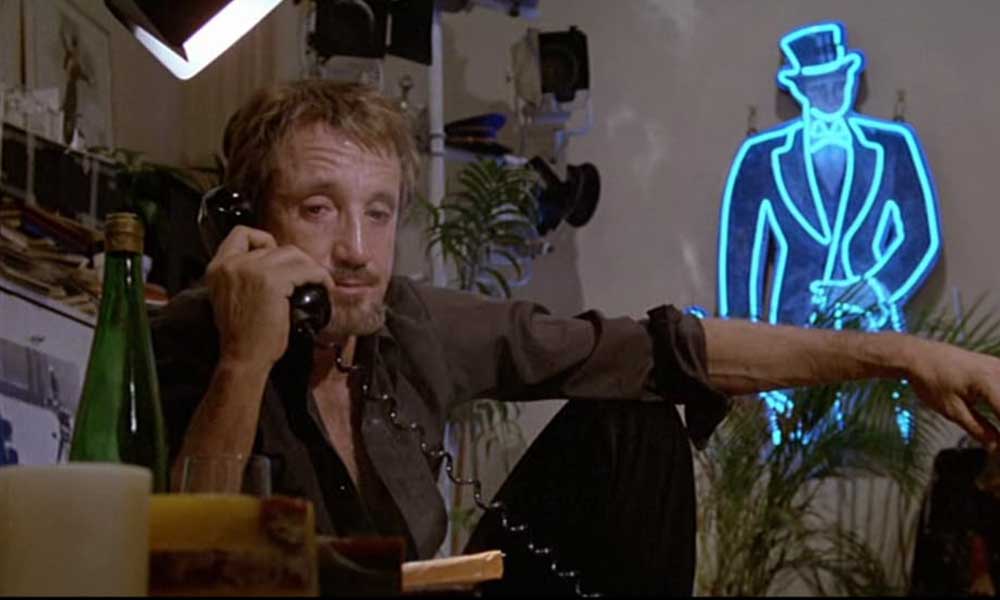
The film sees Roy Scheider play an obsessive film and stage director named Joe Gideon. The story follows Gideon along as he balances writing a new Broadway production, editing a film about a comedian ruminating on the five stages of dealing with death, coping with health problems, boozing, bedding every female he can and maintaining relationships with his daughter, muse and current partner.
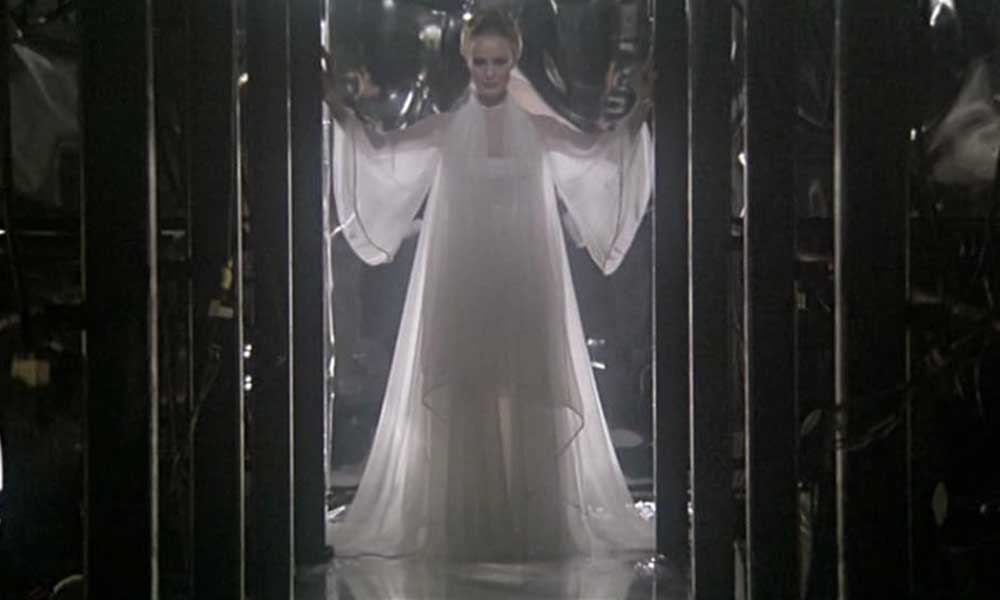
In between all of that, he has a conversation with death, played by Jessica Lange.
All this is set within dirty New York and the dirtier (and sweatier) backrooms of dance studios and theaters. The entire production feels like it is an AIDS carrier.
She’s All That Jazz
All That Jazz is billed as a musical, but “musical drama” is a better way to put it. It doesn’t contain the numerous song-and-dance numbers of something like Oklahoma.
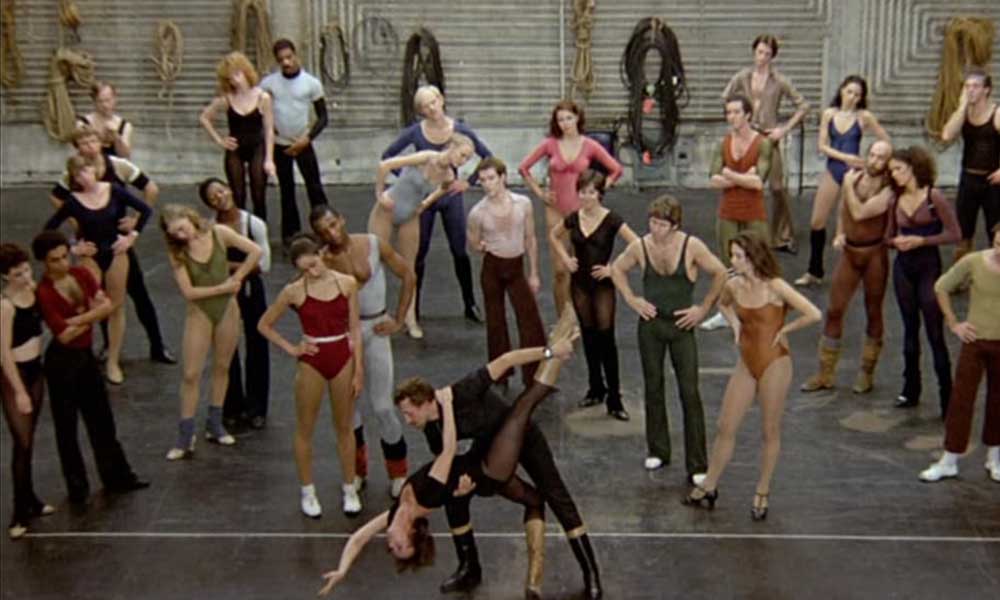
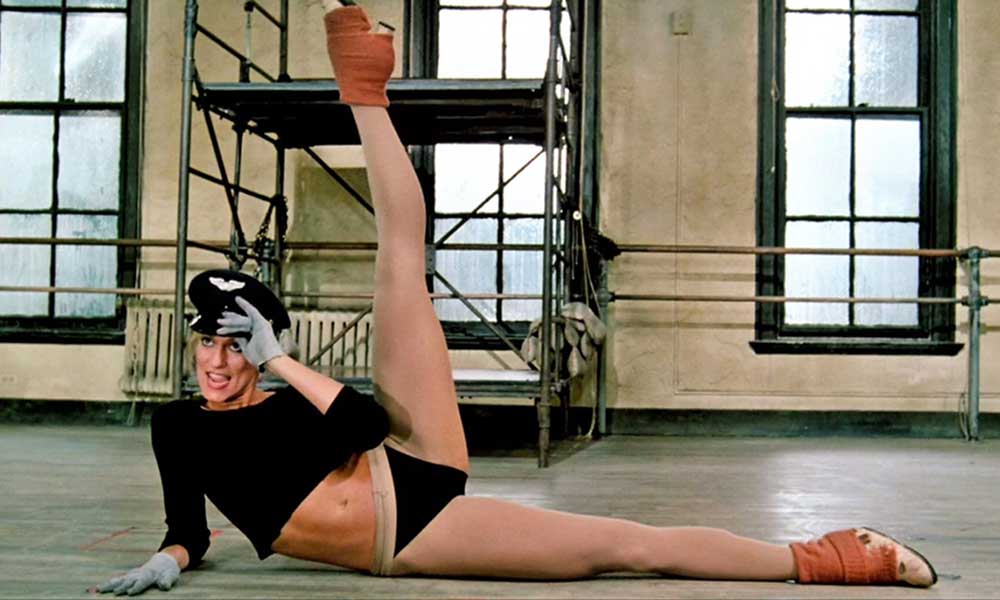
Some of the dance numbers are presented as performers trying to earn a spot on Gideon’s roster. Another number, “Air-otica,” is likely an idea Fosse had for a musical but knew he’d never get it produced due to the subject matter, so he stuffed it in All That Jazz. It’s notable for featuring a young Sandahl Bergman (Conan the Barbarian).
At one point, the film delves into a hospital-related sequence that resembles something that might have come from a drunken episode of Scrubs. Only in the final sequence does All That Jazz break into what could be called a traditional musical sequence, but even that scene is rife with satire and cynicism.
It is this mishmash of style that is probably what makes All That Jazz work. It is ultimately a bitter work that is simultaneously in love with the world it represents. The movie is a glimpse into the mind of a man who was brilliant, obsessed, self-destructive and maybe sociopathic. This wild tone is what dinged All That Jazz with a lot of critics at the time. For example, Roger Ebert found the movie discombobulated and self-indulgent. Later, Ebert changed his mind and recognized the film’s merits.
It is also possible to see All That Jazz’s influence today. For example, one wonders if Edgar Wright had All That Jazz in mind during his quick-cut bathroom sequences in Hot Fuzz. Gideon begins every day with Vivaldi, Visine, Alka-Seltzer and Dexedrine before looking in the mirror and saying, “It’s showtime, folks!” As the film goes along, the sequence gradually becomes edited more quickly.
All That And A Bag Of Chips Jazz
From an acting standpoint, everyone does a workman-like job within the turmoil, which plays out onscreen fine. All That Jazz is carried by its unique framework, and performers need only hang on.
Roy Scheider does the best work, of course. He brings an undercurrent of weariness to everything, even as he is super busy juggling a multitude of balls. Yet, he always finds time for booze and sabotaging his romantic relationships.
One of my favorite exchanges is between Scheider and Deborah Geffner. She plays a dancer who lacks talent but is willing to sleep with directors to make up the difference. During rehearsal, she can’t cut it and breaks down crying.
GEFFNER: Well, you’re right. I’m terrible. I know I’m terrible. I look at the mirror and I’m ashamed. Maybe I should quit. I just can’t seem to do anything right.
SCHEIDER: Listen. I can’t make you a great dancer. I don’t even know if I can make you a GOOD dancer. But, if you keep trying and don’t quit, I know I can make you a BETTER dancer. I’d like very much to do that. Stay?
GEFFNER: Are you going to keep yelling at me?
SCHEIDER: Probably…
That sums up All That Jazz in a nutshell. Characters understand the idea of being nice, but they always resort to baser behavior in the end.
All That Glitters Is Not Gold Jazz
A few familiar faces pop up along the way. Jessica Lange, as mentioned, plays death, but this does not become apparent until the end of the film. Initially, nothing about Lange says death. She is dressed in white and talks to Scheider about his life within a darkened dressing room in between the rest of the movie’s happenings.
Ann Reinking was big on Broadway but did not cross over into the film world, having small parts in movies like Annie and Micki & Maude. She plays Scheider’s girlfriend.
Likewise for Leland Palmer. She plays Scheider’s ex-wife and muse, which is based on Gwen Verdon, who fulfilled that role in Bob Fosse’s real life.
Erzsebet Foldi portrays Scheider’s daughter. All That Jazz is her only credit. She tried out for The Blue Lagoon but ultimately left show business and became a Christian. That is probably a story unto itself…
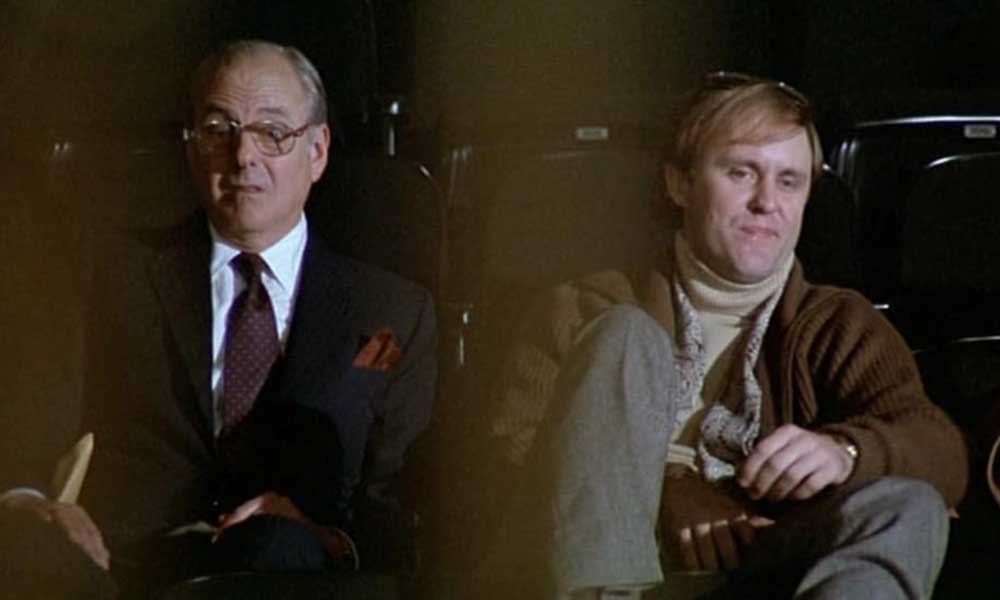
Keith Gordon, John Lithgow, Cliff Gorman and C.C.H. Pounder also have small roles.
All That Jazz Hands
All That Jazz is messy. It starts messy and stays messy. Yet, once it is over, it somehow makes perfect sense. It’s a good example of the type of film that breaks formula yet still offers a compelling viewing experience.
All That Jazz is also notable for lacking the polished look of modern films. Every character in a modern film somehow looks perfect, even if they are a drunken hobo. Everyone in All That Jazz looks relentlessly real.
The beginning sequence is full of imperfect specimens in sweat-soaked shoddy leotards giving it all they got. Balding scalps are visible. Bad noses are visible. Thin moustaches are seen. Poor wardrobe choices are made. Yet, the effort is 100-percent real. All That Jazz presents dancers as athletes pushing themselves to messy limits rather than polished ballerinas. It’s all rather gross. Yet, it makes the film so grounded, it’s prone.
All That Jazz is a movie idea riddled with red flags — musical, Broadway, dancing, etc. — but it ends up being all that and more in the final product.


