


Disney is not having a great week. As we reported yesterday, the theme park experience has now reached such insane price points that it is actually cheaper to fly to Japan to experience one of their parks. The hits keep on coming, this time in the form of a book from their previous CEO Bob Chapek.
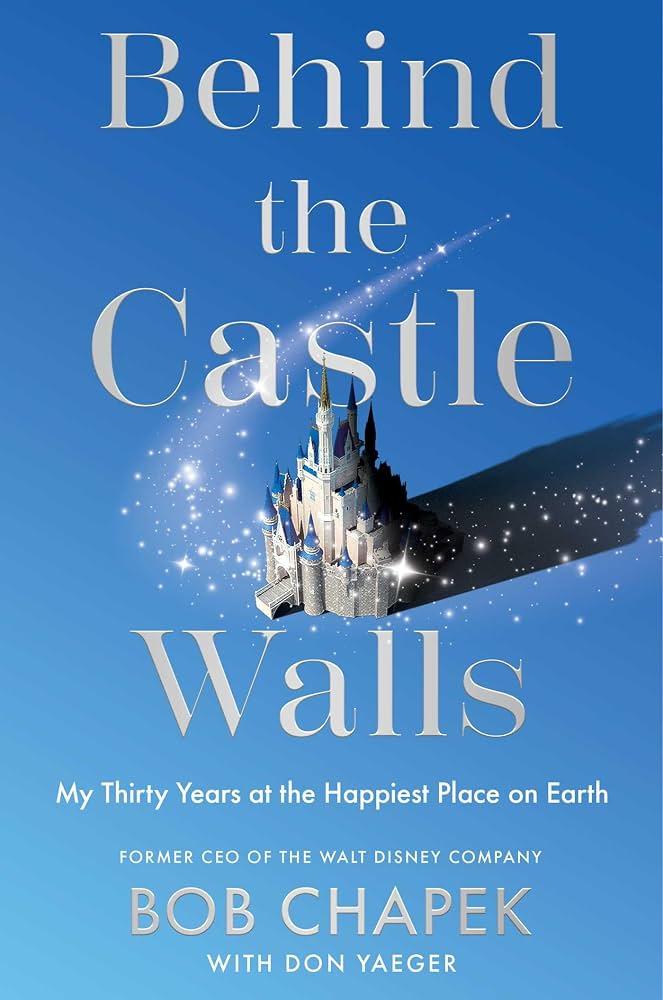
Chapek has released Behind the Castle Walls: My Thirty Years at the Happiest Place on Earth. This covers his start at the company in 1993 as the marketing director for home video and his 27-year climb to the top of the organisation to become CEO of the Walt Disney Company.
It was a tumultuous time, including the COVID pandemic and a spat with Florida Governor Ron De Santis. His tenure was relatively short-lived, as it seemed the company simply could not shake off the shadow of his predecessor, Bob Iger.
Iger would eventually return to take over again from Chapek. Is this book settling an old score?
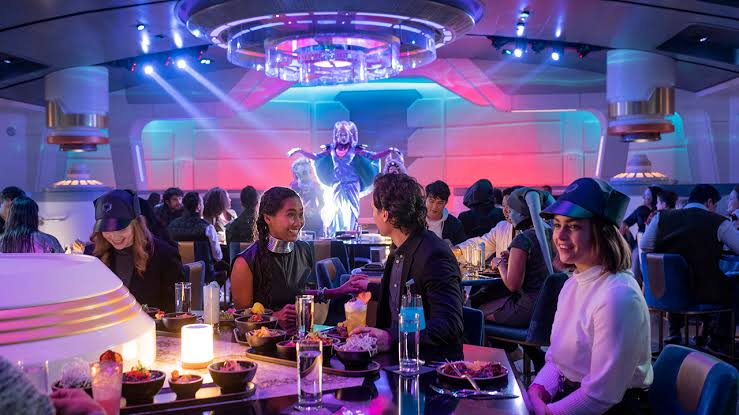
Among the subjects covered is the birth and eventual premature death of the Star Wars Galactic Cruiser. This was the Star Wars-themed, fully immersive lodging experience tied to the new Star Wars land at Disney World, Florida.
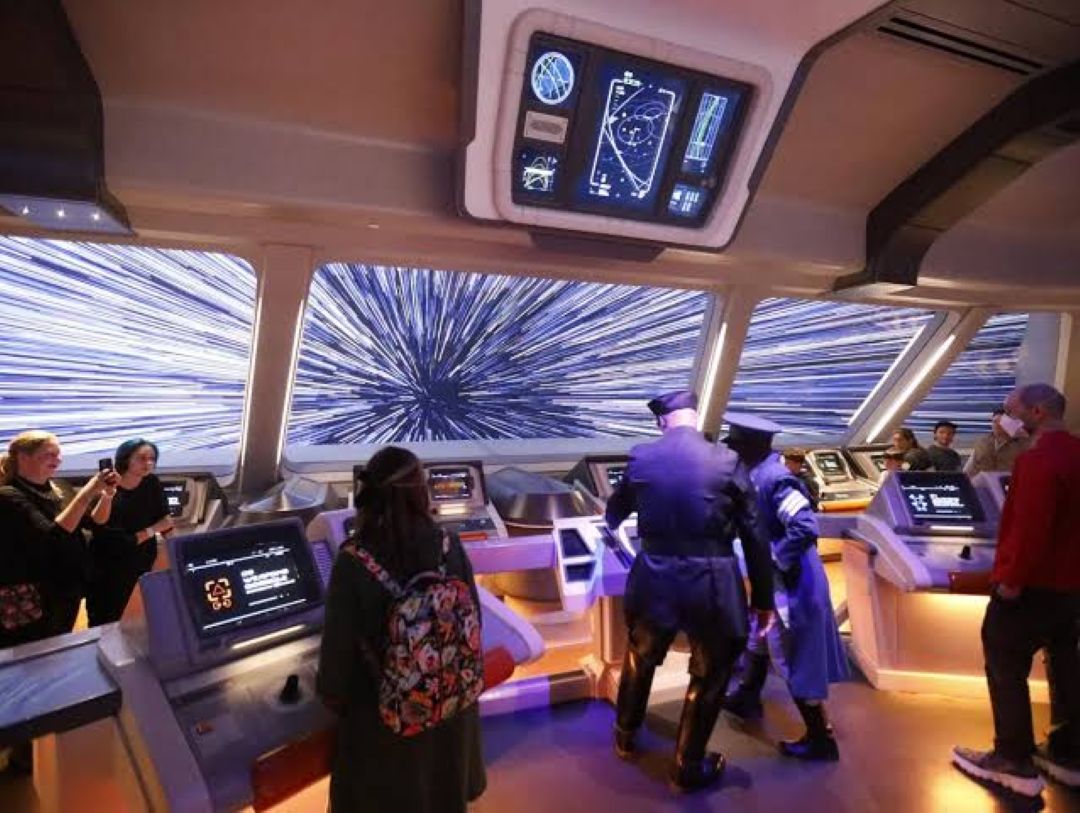
Guests first take a ride that simulated leaving Earth. Their vehicle then docks with the “spaceship,” where they spend three days. Guests can pick a character and a costume to participate as.
Even the windows showed digital space scenes instead of looking out over Central Florida. Storylines ran throughout the experience, and guests played an active role in moving the story forward.
In the book, Chapek calls the concept “an outrageously bold idea” that he loved, noting that some of the first guests to experience it cried at the end of three days because they did not want the stay to end.
One issue many commentators, including us, called out at the time was the cost.
A three-night experience stay was over $1,000 per guest. Chapek argues that as cast members ran the story around the clock while also running the hotel, there were “extraordinary” labor costs but the team knew this going in. He also argues that compared to $500 a night for a premium hotel room, the costs were not that excessive when you consider what was included.
The costs were always held as part of the reason the experience as closed down. Not so, says Chapek. No hotel makes a profit in its first year, and frequently longer.
In the book, Chapek claims that Starcruiser was closed because the returning Iger saw the hotel as something connected to Chapek’s time in charge.

Any memory or symbol of his tenure, Chapek adds, was “seemingly systematically removed.” He likens it to a sign at Castaway Cay that was also removed. Iger, he says, was behind it all. On Starcruiser he says the team were still working out the economics and had a path to profit mapped out when the experience was yanked. Chapek writes:
The whole concept was a great idea, and we were figuring out the economics. It’s a known fact that no hotel is ever profitable in the first year. But when my time as CEO came to an end, so, too, did the Galactic Starcruiser.
While I was proud to give birth to the entirely new galaxy, Bob Iger saw things differently. When he resumed control of the company, the hotel closed. There is no doubt that the resort and experience were not profitable at that moment.
I believed in the idea and its potential. Bob Iger saw things differently and, in my opinion, also saw it as something connected to my time in charge. As a result, in my opinion, it went away.
Like the sign on the cruise ship destination island, any memory or symbol of my time in charge was seemingly systematically removed.
Ultimately, like most things with my name behind them, that sign, and that galaxy, went far, far away.
It is known that pricing was under review and Disney was actively working on ways to introduce new storylines into the experience to keep it fresh for guests when the call to close it down was made, so maybe there is something in Chapek’s claims.
Will the book contain any more contentious details of Chapek’s time in charge and the immediate aftermath?

