


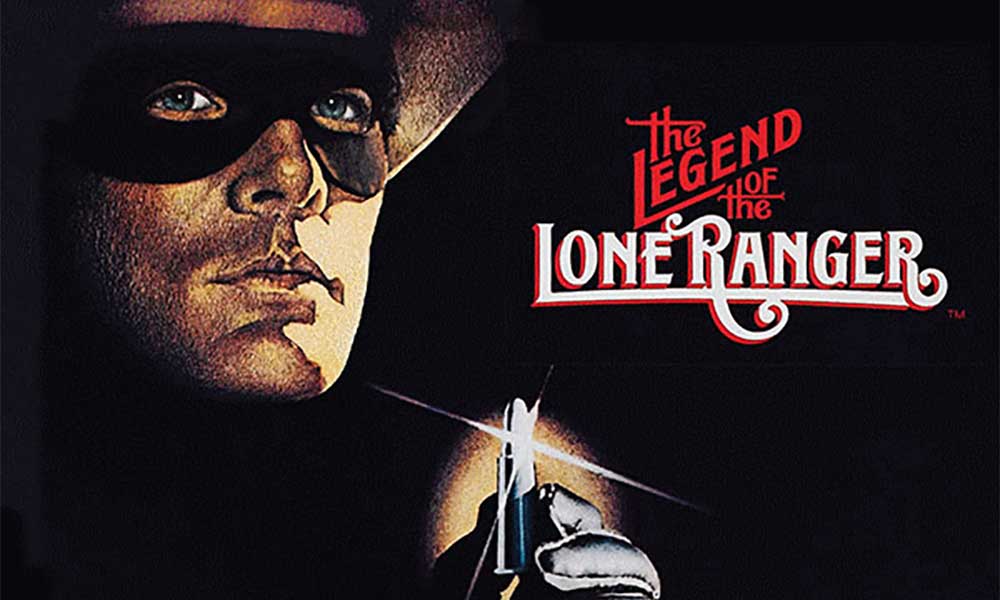
One day a billionaire and the guy who thought Raise the Titanic was a good idea got together and decided they had the next Superman ‘78 on their hands. So, they got the guy who directed Monte Walsh (what?) and set out to make their dream come true.
That dream was The Legend of the Lone Ranger (1981).
It wasn’t a complete disaster. They only lost $10 million. Nowadays, a mere $10 million loss would be celebrated as an achievement.
We salute you, Mr. The Legend of the Lone Ranger creators. You gave Disney and DC Films a model to emulate…
The Legend Of The Lone Ranger
The Lone Ranger started out as a radio series, became a film serial, had an eight-year run as a TV series, branched into cartoons and looped back into theaters. More than once.
This makes the Lone Ranger a sneaky-valuable franchise. Oil tycoon Jack Wrather obtained the rights in 1954. He paid $3 million. That is almost $40 million in today dollars.
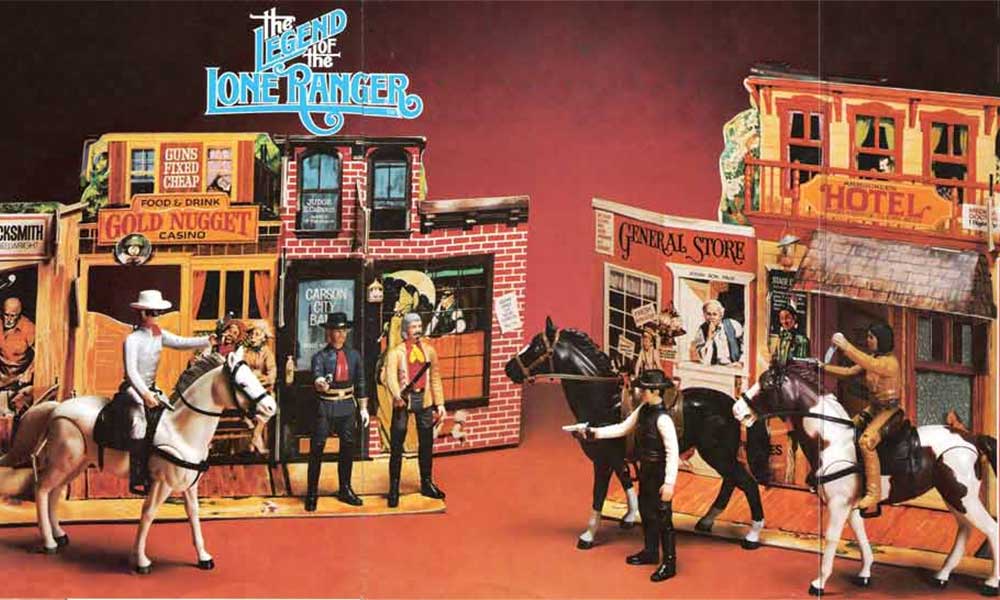
By the 1980s, Wrather believed the world was ready for an epic western that would make people believe in heroes again. Enough with Blazing Saddles blasphemy. Plus, the market for action figures proved lucrative…
Wrather partnered with Jewish-Russian-British producer Lew Grade, and it was off to the races. They recruited cinematographer William Fraker to direct a script by Ivan Goff and Ben Roberts, whose previous credits included Charlie’s Angels and Mannix.
Stephen Collins, Nicholas Guest, Bruce Boxleitner and Kurt Russell were considered for the part of the Lone Ranger. But Wrather and crew dared ask, “Why cast a known quantity, when you can cast an unknown art student/photographer?”
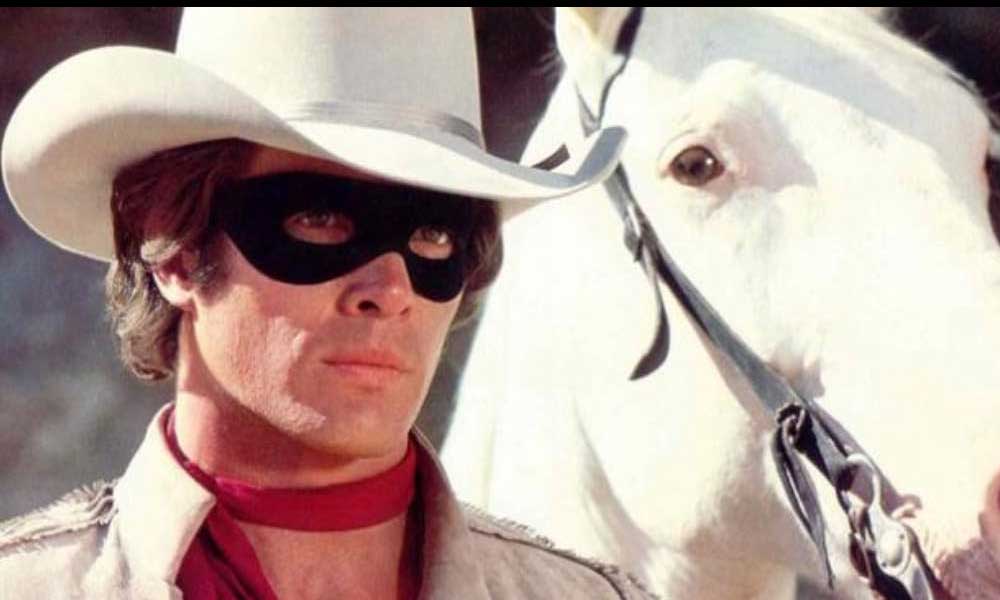
The part went to Klinton Spilsbury because he “looked great in the mask.” In fact, he looked so great, he was signed to a three-picture deal.
Things look better and better with each new reveal in the story. Alas, reality conspired against the project. Spilsbury never got to take advantage of that three-picture deal. In fact, The Legend of the Lone Ranger was his final screen appearance…
I Am Legend Of The Lone Ranger
Surprise, surprise, Spilsbury ended up being a problem. Christopher Lloyd, a true thespian of the oddball technique, who played the villain Butch Cavendish, said:
“He came onto the set as if he was playing the role of a movie star. I don’t know whether it was an affectation that he chose to bring with him, or whether he sincerely felt that that’s what was called for. And this was a problem from beginning to end. He did things that simply hindered the production.”
Reportedly, Spilsbury got into multiple brawls and had a problem with drinking. During the film’s promotion, Andy Warhol interviewed Spilsbury, and even Warhol found the guy a bit “nutty,” which is an achievement unto itself.
The filmmakers also grew unhappy with Spilsbury’s performance. He memorized lines but did not internalize them, which led to odd intonations. Eventually, James Keach, brother of Stacy Keach, came in to dub his dialogue.
In the end, not even looking like a cross between Clint Eastwood and Thomas Haden Church while starring in a popular IP could save Spilsbury. Instead of riding off into the sunset with a hearty Hi-yo, Silver, away!, Spilsbury simply went away.
Rumor has it, he currently works as a photographer in LA.
The Real Legend Of The Lone Ranger
As if these challenges weren’t enough, Wrather and pals decided they should generate terrible PR for their film.
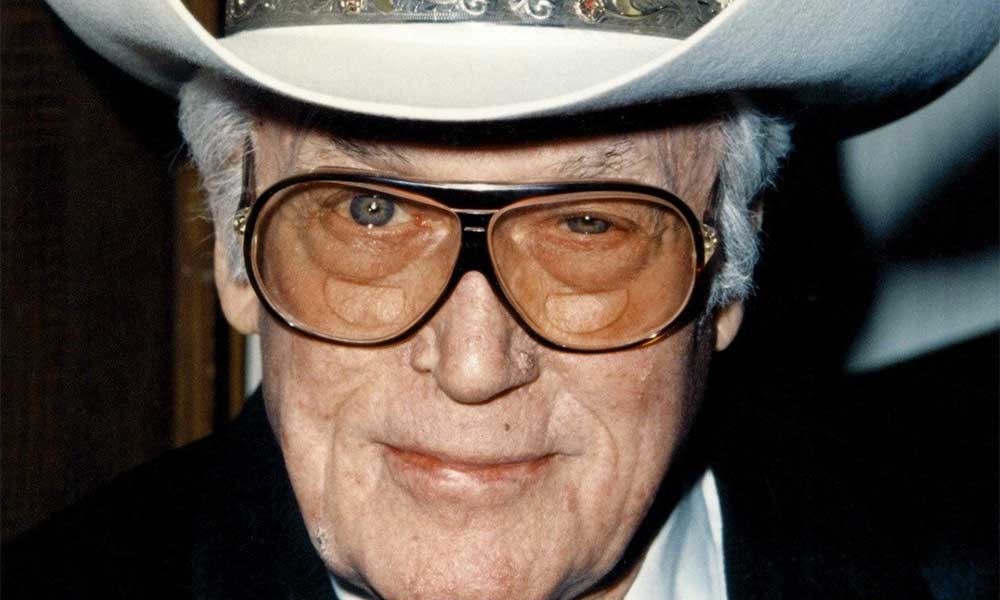
Clayton Moore, who starred in the TV series, spent his retirement dressing up as the Lone Ranger and visiting children in hospitals and appearing at fairs. Even 30 years after the fact, Moore still carried a sizeable fan base and recognition. I, myself, watched The Lone Ranger every day after school and thought Moore was the bees’ knees.
In their wisdom, Wrather and company decided this simply could not stand. They believed Moore dressing up and visiting sick children in character would negatively impact their film, so they ordered him to stop with the full weight of legal kung fu.
This led to a nasty back and forth with court injunctions that left Moore forced to wear wrap-around sunglasses instead of a mask and sign autographs to kids as “The Masked Man” instead of “The Lone Ranger.”
Even before 24-hour news cycles, this got a surprising amount of coverage. As a kid in Podunk, Minnesota, I remember seeing shots on the local news of a beleaguered Moore sadly doddering around what looked like a child’s birthday party in sunglasses.
This poisoned two generations of fans against the film in one go. The only worse move the filmmakers could have pulled was to accuse an audience of being sexist or racist for not liking what they were seeing (leave that to modern filmmakers).
What Wrather should have done was cart Moore all over the country with trumpets and candy and leverage his schtick into baked-in promotion.
The Length Of The Lone Ranger
Now that forty-five years have passed and the dust has settled, how does The Legend of the Lone Ranger objectively work.
Awkwardly…
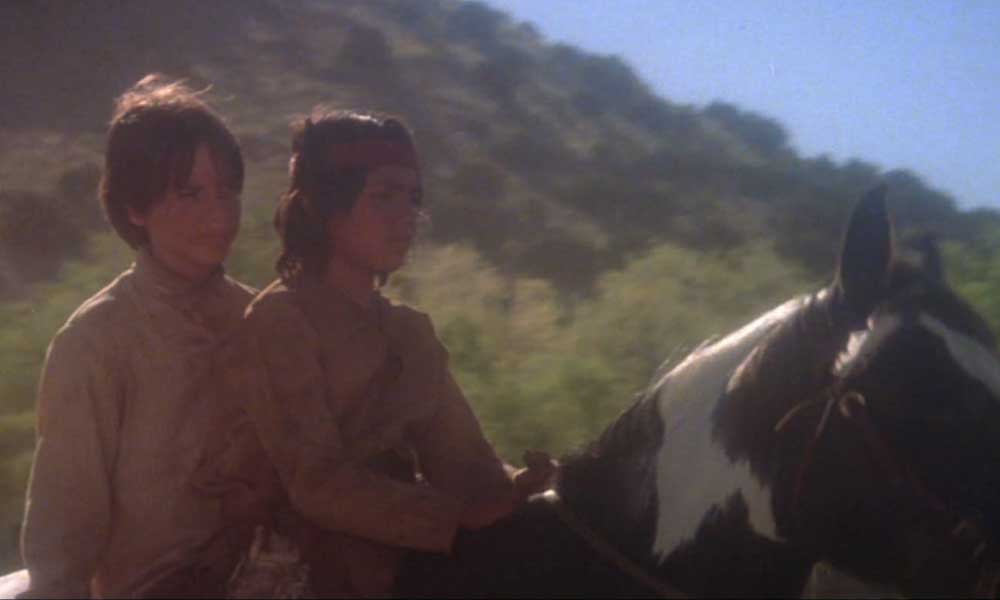
The film runs a lean 97 minutes and doesn’t make wise use of its time. It starts with a completely unnecessary prologue where the Lone Ranger and Tonto meet as boys before the Lone Ranger’s parents are massacred. He then lives in an Indian camp and learns their ways. The Indian camp looks like something out of any Midwestern town’s Heritage Days Festival. The chief’s wig looks like something from Spirit Halloween. It all ends up Noble Savage lip service until the Lone Ranger’s brother arrives to send him to lawyer school.
All of this weakens the impact of the real origin of the Lone Ranger: he is the only survivor of a group of Texas Rangers, led by his brother, who get ambushed. Tonto nurses the Lone Ranger back to health and off they go to fight injustice.
The film essentially doubles up on lore as it shows the viewer the same basic scenario twice in a single 97-minute runtime.
Finally, the film commits the cardinal sin of not having Spilsbury in the mask until approximately one hour into the film. The movie wastes a ton of time getting up to speed.
The Cast Of The Lone Ranger
The film generates an odd tone as it meanders back and forth between schmaltz, an ersatz sense of adventure and somewhat violent action.
Throwing in suspect dialogue doesn’t help. At one point a character suddenly decides to say something like “Hey, you know that son I have that hasn’t been in the movie at all and won’t be after this? Take care of him if I happen to die or something…”
During the ambush scene, a character the movie has not bothered introducing takes center stage and banters about how “It’s not the shot that gets you, it’s the fall…”
Right before they get shot…
Meanwhile, Spilsbury tries to be swashbuckling but ends up more like Patrick Bateman from American Psycho in an alternate reality.
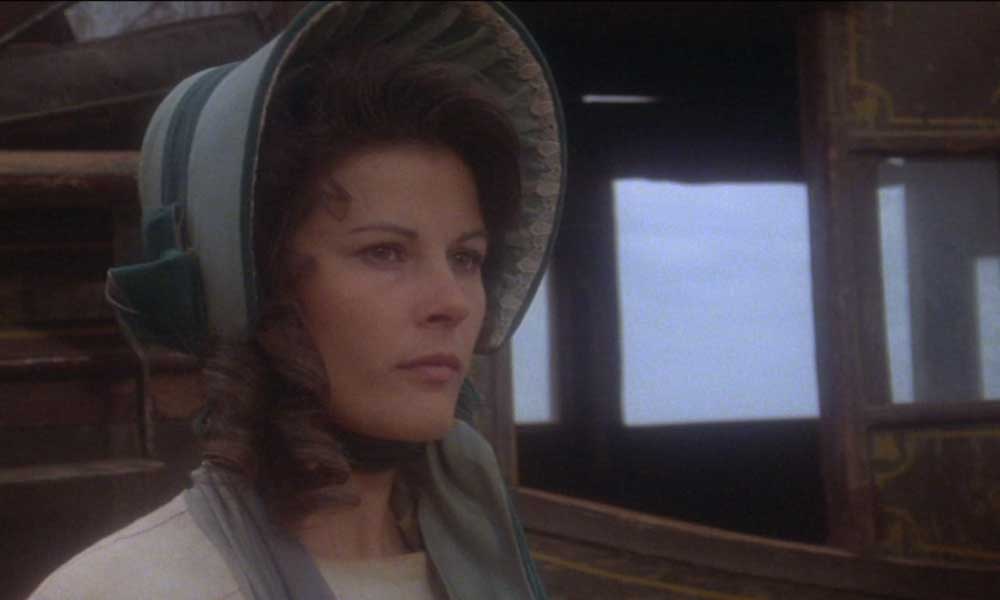
Juanin Clay (Wargames) takes a stab at playing a Patricia Pureheart character, but she has zero purpose or chemistry with Spilsbury. As a result, she is Patricia Pointless.
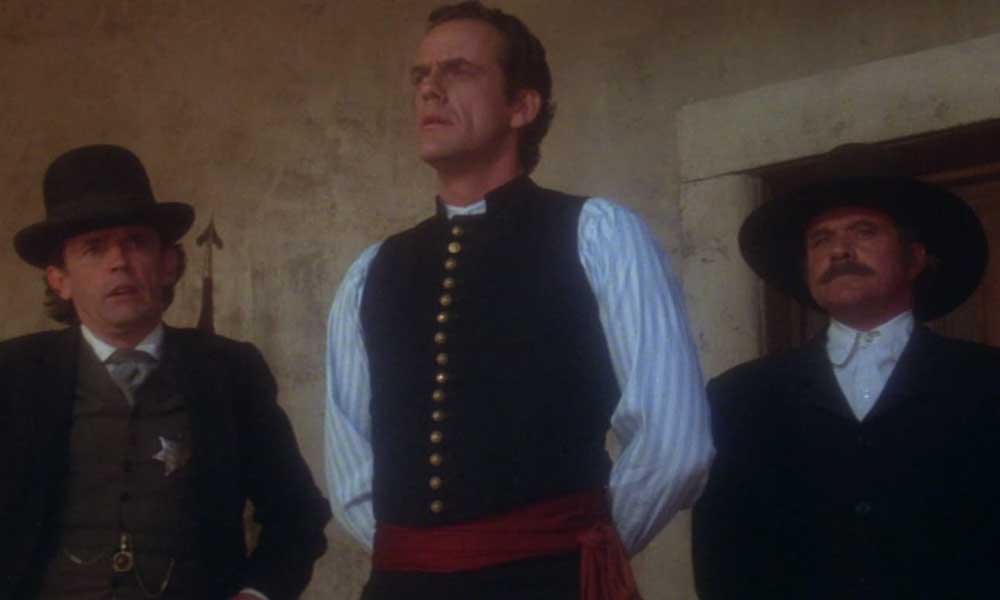
Stalwarts like Christopher Lloyd and Jason Robards, who plays Ulysses S. Grant, fare better. They at least have the instincts to do their own thing and escape the proceedings with their dignity and paycheck intact.
Michael Horse was also an unknown before getting tapped to play Tonto. Little is required of him, as Tonto’s stoicism already makes him half wood. Horse ended up building a solid career, however, appearing in things like Twin Peaks and Passenger 57.
Some fun is also had seeing a lot of “that guy” folks: Matt Clark (The Outlaw Josey Wales), Richard Fansworth (Misery), Ted White (Friday the 13th: The Final Chapter), Tom Laughlin (Billy Jack) and others. Matthew Perry’s father, John Bennet Perry, even shows up as The Lone Ranger’s brother.
The Sound Of The Lone Ranger
The production didn’t skimp on the score. It brought in the great John Barry. Barry has done amazing work and won the Academy Award for another western, Dances with Wolves, but what he came up with for The Legend of the Lone Ranger does not work.
The music tries to constantly sell the film, but the viewer is not buying. Sometimes it is simply weird. The music resembles familiar love themes Barry used in his James Bond and King Kong movies when Tonto nurses the Lone Ranger back to health. One more than halfway expects them to kiss.
To make things weirder sonically, the film insists on throwing in the William Tell Overture, as well, which is completely disconnected from Barry’s work.
Yet, the issues don’t stop there. Country singer legend Merle Haggard was brought in to sing Barry’s theme song “The Man in the Mask.”
Lyrics by Dean Pitchford flow about as smoothly as a pimply junior high boy making his first phone call to a girl. Pitchford went on to write Footloose and collaborated on the music, so he eventually redeemed himself.
Haggard does not get to slink out the door after singing the theme song either. He provides narration throughout the film. The narration is delivered in rhyming lines that are certainly not at the meter/rhythm level of Poe’s The Raven.
The narration comes off sounding trite, like a level below Dukes of Hazzard narration. It is also completely unnecessary. It is one of those ideas that sound good on paper, but film is a visual medium, and everything Haggard narrates is self-evident.
The Look Of The Lone Ranger
At least the cinematography is solid, right? That was Fraker’s bread and butter. Plus, the dude shot SpaceCamp for goodness sake.
Yet, The Legend of the Lone Ranger looks like Fraker smeared the camera lens with Vaseline. Everything is slightly blurry and simultaneously over bright. Maybe this was a deliberate choice to make the viewer feel like they watched the thrilling days of yesteryear through the fog of time, but mostly it just makes them squint.
The possibility exists the online copy I watched had Mr. Magoo resolution, however. I don’t have access to an original print.
The Bright Side Of The Lone Ranger
Yet, all is not lost. The Legend of the Lone Ranger becomes somewhat watchable once it finally starts telling the story it should have started telling from the opening credits.
The film tries to make the moment the Lone Ranger puts on the mask epic after a long build up, but the Lone Ranger is not that complex. He’s a cowboy in a mask who rides a horse and shoots bad guys.
The bones of a good adventure exist. Christopher Lloyd is in full Asperger’s moustache twirling mode. He wants to kidnap the President to force the United States to recognize Texas as an independent country. The Lone Ranger needs to stop that and get his revenge in the process. All the world building can be thrown aside. Westerns do not need world building. They arrive fully formed.
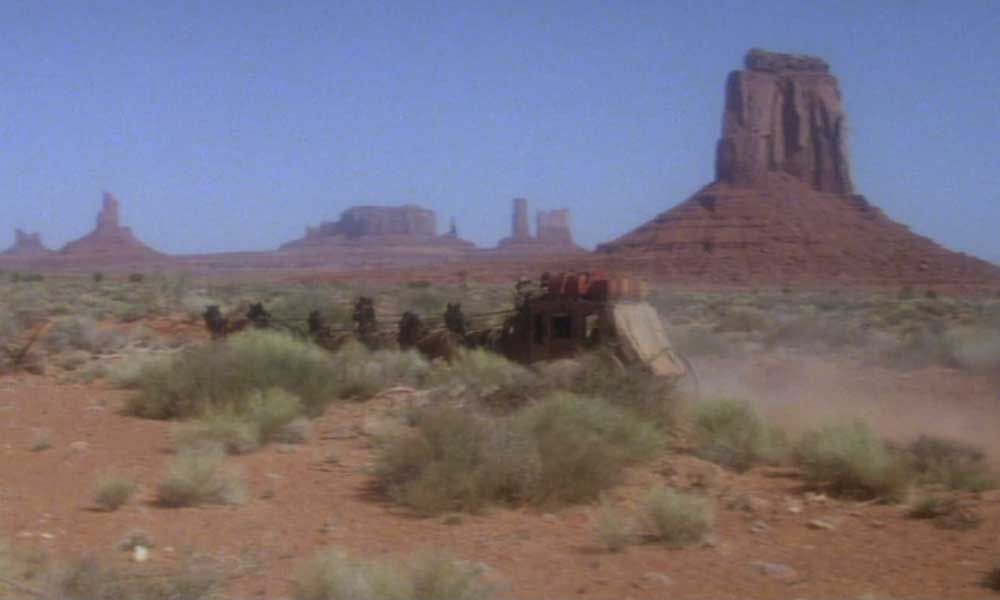
The Legend of the Lone Ranger finally realizes all of this in the final forty-five minutes and becomes mildly entertaining, albeit a smidge incoherent. Obviously, they hoped for a trilogy, but they put the stagecoach before the horse and should have worried about delivering one good movie first. Then let the chips fall where they may.
The Legend Of The Lone Ranger
The Legend of the Lone Ranger shows ambition. It had some good ideas, and there is something admirable about a billionaire deciding he wants to use his wealth to make a movie. If I had a billion bucks, I’d throw $75 million at a film, no problem, plus a $75 million marketing plan that doesn’t make the audience hate me.
Regardless, while acquiring a movie-making hobby might have worked for Howard Hughes, it didn’t work so well for Wrather. The Legend of the Lone Ranger was his last attempt at making a movie. He passed away in 1984. On the plus side, before he went, he allowed Moore to go back to wearing the Lone Ranger mask in public appearances.
This would not be the end of the Lone Ranger, however. Disney took a stab at the property in 2013 with Gore Verbinski, Johnny Depp and $250 million. They also blew it by delivering a bloated mess. The sad thing is that the original idea for a new film involved werewolves because of the Lone Ranger’s preference for silver bullets. Who wouldn’t have wanted to watch a Lone Ranger vs. skinwalkers movie? I’d have gone to it twice.
Alas, Disney was going full tilt into lame by that stage of its timeline.
For now, might as well go back to the original series. It successfully delivered the classic plot of do-gooders wander into new location and save victims from bad guys each episode. It’s a tried-and-true formula.
Hi-yo, Silver, let’s go back thataway!


