


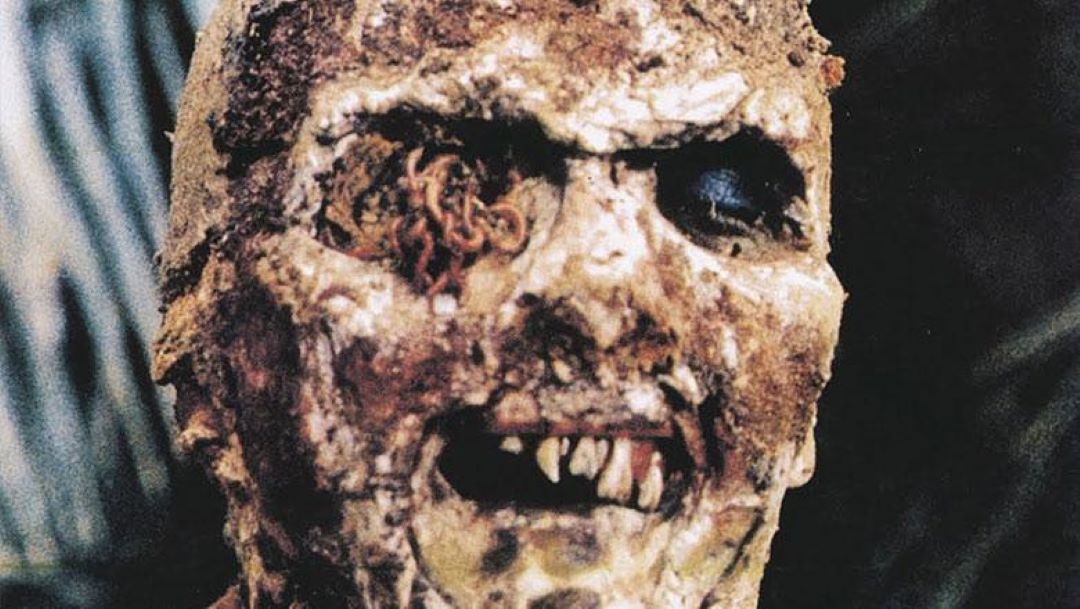
Through sheer coincidence, just as Wrenage was finishing up a Retro Review of a certain movie, I was finishing up a Hollywood History article on the very subject that his latest review touched upon. The “video nasty”.
But what the hell was one of these video nasties, and why do they come up often when discussing movies? Well, sit back, and let Hollywood History at Last Movie Outpost tell all.
The Rise Of The VCR
As Britain discovers the true horror of letting technocratic managerialism rampage through its institutions, followed by the sheer stupidity of letting a human rights lawyer be appointed as Prime Minister, it is interesting to remember that there was another time when the nation received a warning shot across its bows. This showed what happens when you let the clipboard and hi-viz jacket-wearing classes anywhere near the levers of power.
This was a time, long ago, when Britain continued to be held together by a nice cup of tea and a profound suspicion of anything enjoyable. The 1980s.
The early 1980s gave us many things. Synth pop and the New Romantics, Thatcherism, yuppies, detente, and the video cassette recorder. It is with the humble VCR that the trouble started. Thanks to the efforts of a certain section of the public, they led people to believe that if television was dangerous, video was apparently Satan with a rewind button.
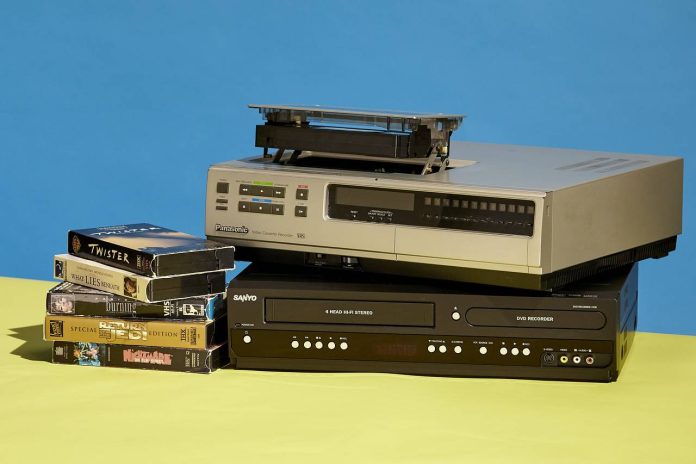
The home video revolution arrived in Britain at the end of the 1970s. Video recorders became available from 1978, and the market expanded rapidly. VHS and Betamax fought their little format war while British consumers discovered that they could now own something called a “video library”, which mostly consisted of Star Wars, The Sound of Music and one terrifying-looking Italian film whose cover appeared to feature a decomposing corpse eating someone’s face.
The important thing here was that there was a huge legal hole.
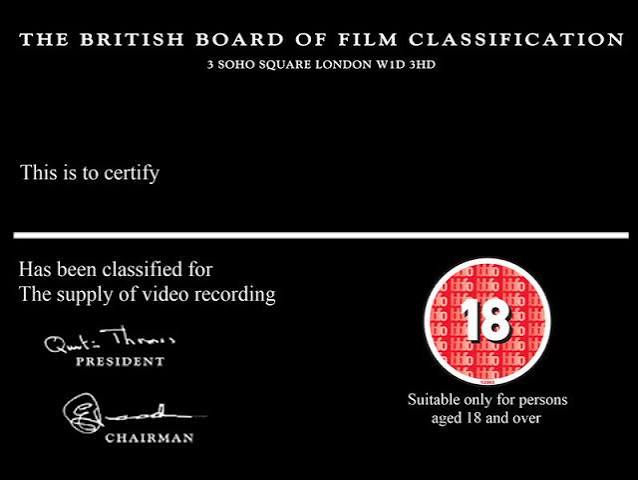
Cinema films were subject to classification by the British Board of Film Censors – the BBFC, as it was then known. This was the equivalent of the MPAA, who assigned age certificates to films and dictated what had to be cut to hit the certificate. Same as today, same as on both sides of the Atlantic.
The issue was that home video was different to the cinema in the UK. There was absolutely no equivalent statutory requirement for every VHS release to be classified in the UK. In the USA, the MPAA rating from the cinema carries over to the home video release.
The feeling in the UK was that this was for the consumption of people in their own homes, in private, so it was no concern of the state.
Then, suddenly, films that had been cut for cinema could appear on video in uncut form. Films rejected by the BBFC for release could appear on video. Films that had never even been submitted to the BBFC could appear on video.
It was, from the point of view of the small independent distributor, absolutely glorious. The absence of video legislation allowed smaller distributors to release material that had never been classified, including films refused outright for cinema release. They expanded rapidly.
There were plenty of small distributors willing to take advantage, as the major studios were initially wary of home video. They didn’t want to risk their theatrical business and weren’t entirely convinced that this strange new machine would catch on. So the gap was filled by entrepreneurs who looked at the shelves and thought:
“What people really needs is a videotape of an Italian man being eaten by zombies.”
This was the golden age of the independent video rental shop. Not Blockbuster. Not Netflix. Not Amazon Prime. A proper video shop.
If it wasn’t Ahmed’s convenience store / gas station / VHS rental emporium, then it was a small, slightly depressing premises with carpets that had witnessed things, fluorescent lighting and a counter staffed by a bloke called Steve who knew more about Italian horror cinema than most film critics. And this is what thrived in this environment. Exploitation movies.
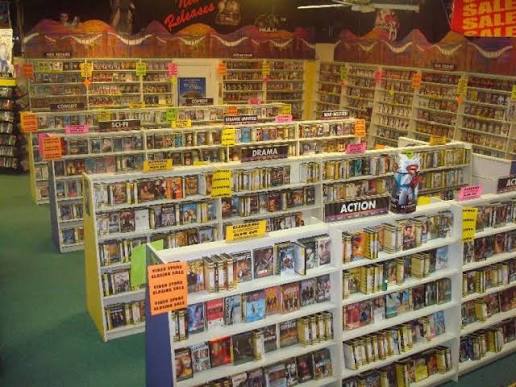
The walls were covered in those enormous VHS cases. And the artwork was spectacular. The films themselves might have cost twelve quid and a packet of cigarettes to make, but the cover would promise the cinematic equivalent of Armageddon.
A severed head. A woman screaming. A monster. Blood. Possibly a chainsaw. Definitely a skull.
You’d walk in looking for The Empire Strikes Back and leave thinking:
“What’s this one called Zombie Flesh Eaters?”
That was the attraction. Because for the first time, teenagers could discover films that had never been available through normal British cinema distribution. And some of them were genuinely nasty. But here’s where things became particularly silly, because instead of simply saying “Some of these films are horrible and perhaps children shouldn’t watch them”, a certain subset of people were allowed to amplify concern beyond reason, and in the process create some kind of national psychodrama.
Enter Mary Whitehouse, Guardian Of Everything
Britain remains, to this day, a very small nation with huge contrasts. In reality, outside of a few postcodes in a few cities, it is a peaceful place. In these leafy shires, far from the hustle and bustle of the cities, this is still the land of the village fete, the local pub, the parish vicar who knows everyone’s name, and organisations like the Women’s Institute.

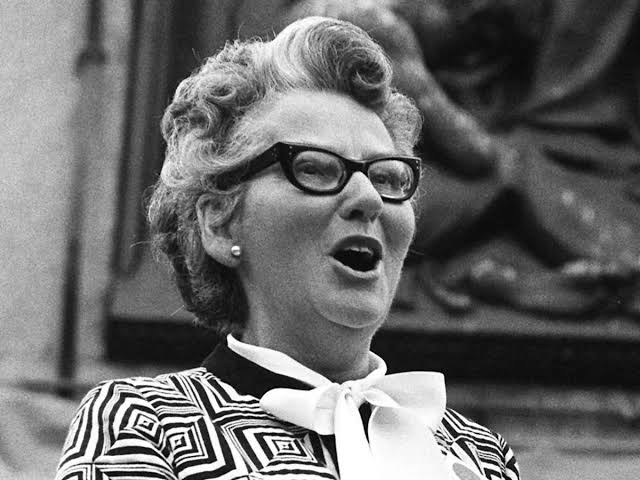
In such places, in the 80s, there was also a certain kind of silver haired lady, and her circle. They might have been your grandmother, but they also considered themselves the nations moral guardian. The last line of defence against the filth and degeneracy. One of these ladies was Mary Whitehouse.
Mary Whitehouse had already spent years campaigning against what she regarded as the moral degradation of British broadcasting. She founded the National Viewers’ and Listeners’ Association (the NVALA) in 1965, campaigning against material she considered obscene, offensive or morally corrosive.
Whitehouse had a particular talent for looking at something completely ordinary and somehow seeing the gates of Hell opening behind it.
Doctor Who? Potentially corrupting. Violent television? Obviously dangerous. Sex? Society was finished!
Now there was video and it was, to be fair, pretty horrible in places. So it was never going to be none of their business.
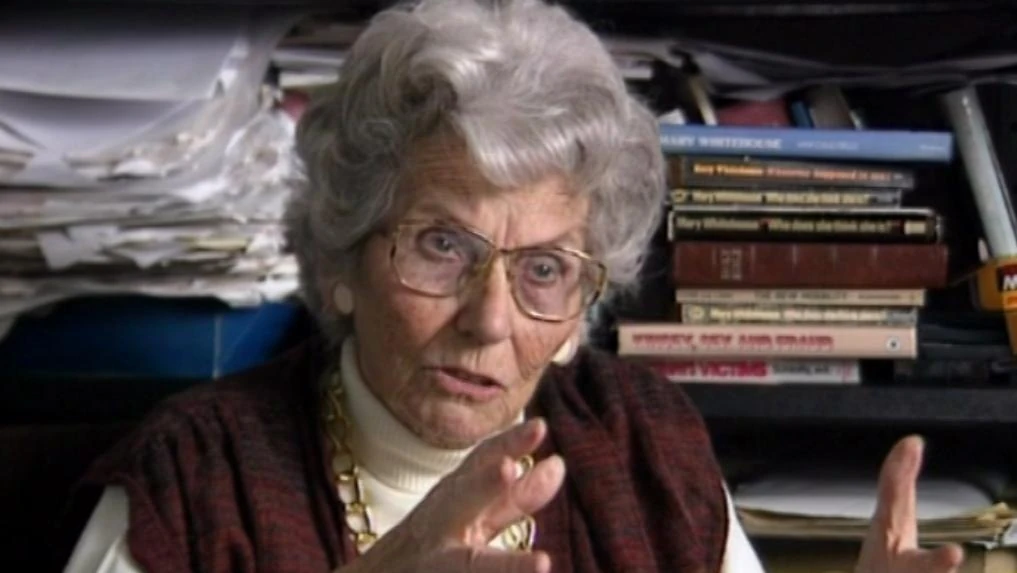
Whitehouse and the NVALA became prominent voices in the growing campaign against violent horror videos, and the timing was perfect. The technology was new, poorly understood and apparently capable of putting absolutely anything into your living room.
This wasn’t just cinema. Cinema required you to leave the house. Video meant the horror could come into your home.
To the silver-haired moral guardians from the shires, this meant it came into the sanctity of the British sitting room. Past the antimacassars. Past the Sunday roast. Past the framed photograph of Her Majesty. And potentially straight into the VCR while little Timmy was sitting on the carpet.
The newspapers of the time had just discovered that the word “rape” sold newspapers, and the gutter press was on the rise, so of course they went absolutely bananas.
The Moral Panic Machine
The phrase “video nasty” became a cultural weapon. It wasn’t a precise film genre. It was a label and, increasingly, it was applied to films that varied enormously in content, quality and intent.
The films included horror, exploitation, cannibal movies, Nazi exploitation, rape-revenge pictures, slasher films and various European productions that had apparently been created by people who believed the ideal cinematic afternoon involved a chainsaw, a bucket of entrails and absolutely no restraint.
The Whitehouse / NVALA campaign was leveraging the sensationalist press, and together they transformed these films into something far larger than they actually were.
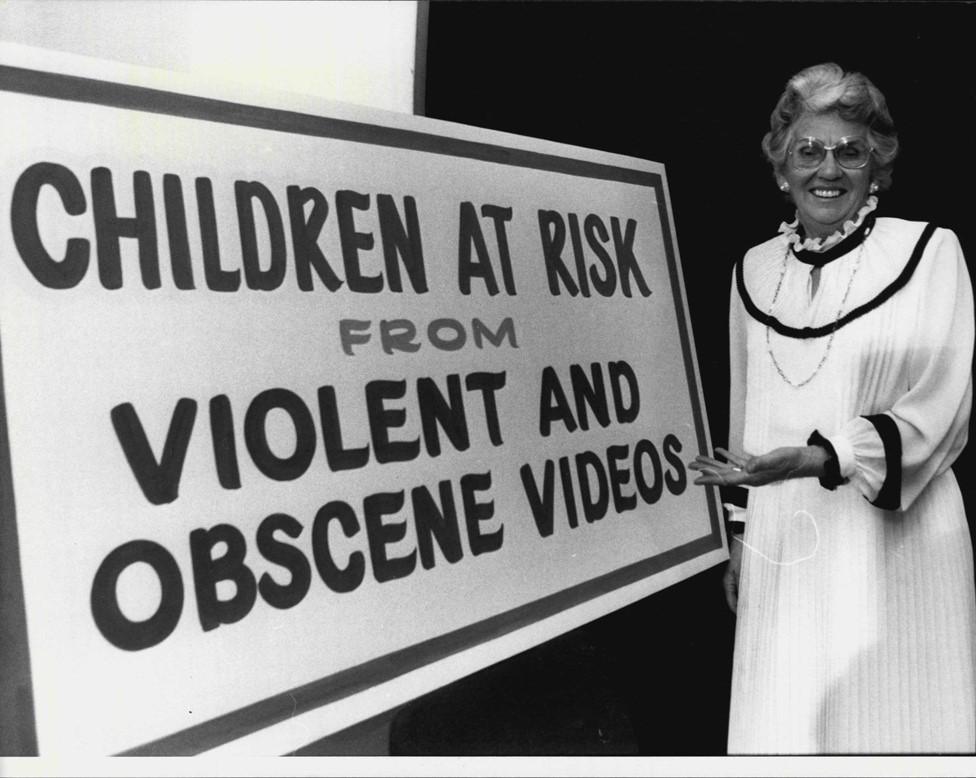
Their hook was that Britain was being flooded with violent pornography masquerading as entertainment, and the villains were everywhere. The evil video shop proprietor. The unscrupulous distributor. The impressionable teenager.
And, naturally, the dreaded children. Won’t somebody think of the children!
The suggestion that these films might be accessible to children was the bit that really set the panic ablaze. And, let us be honest, there was a legitimate problem here because without statutory video classification, there wasn’t the same legal barrier preventing a child from renting or buying something that would have been restricted in a cinema.
So, of course, the sensible idea was floated that certificates also apply to home video rental as well, and everyone would be happy. Little Timmy could no longer rent Rape Zombie Cannibal Apocalypse and all would be well. Right?
Wrong.
This was not enough for the NVALA. This was now a moral crusade, not about age restrictions, but about the idea that Britain was in danger of becoming a nation of moral degenerates, like those swarthy foreign men on holiday.

The sort of people who would previously have complained about a slightly rude word on Top Of The Pops were now demanding that the state do something about Italian cannibal cinema, and they had the bit between their teeth. It would have started at the village hall:
“Reverend, I’ve seen something terrible.”
“Good heavens, Mrs. Pritchard. What is it?”
“A man had his head ripped off.”
“Dear Lord.”
“And there was a chainsaw.”
“We must inform the parish council immediately.”
The issue is that these people were motivated, and they were politically connected. British politics is supposed to operate on a much more local level than many other models. Through the local political branches and clubs of the major parties, or through friends, relatives and contacts in the establishment, the shires were motivated, mobilised behind Whitehouse’s banner. The result was inevitable.
The BBFC Gets Dragged Into The Fight
The BBFC had already been operating for decades, but the video revolution exposed the limitations of the existing system. The Board introduced a voluntary video classification scheme in response to the controversy. The problem was that “voluntary” is a word with very little stopping power when you’re dealing with a company whose business model is basically:
Buy Cheap Film → Put it on VHS → Make Money.
The big distributors were happy enough to submit films. The smaller operators weren’t necessarily interested. Why would they? They had just discovered a wonderful loophole and they intended to keep leveraging it.
Then Whitehouse and the NVALA discovered the Obscene Publications Act (1959).
It wasn’t specifically designed to deal with VHS tapes. Its famous legal test concerned material that might “tend to deprave and corrupt” those likely to see, read or hear it. Which is the sort of wording that sounds straightforward until you ask 25 different people what “deprave and corrupt” actually means. But Whitehouse and her crew realised that this existing legislation could be used against video distributors and retailers.
The problem was that prosecution was essentially reactive. The tape had to be released, seized and prosecuted, and different courts could reach different conclusions. It was not exactly a model of technological foresight.
The BBFC explained to the NVALA that this produced a particularly messy situation: videos could already be in circulation before prosecution, and a finding of obscenity in one case didn’t automatically settle the question everywhere else.
The political pressure was brought to bear from the shires to the very top, and the Director of Public Prosecutions was instructed to start compiling a list of films believed to be liable for prosecution. And thus Britain got its most notorious shopping list, and a legend was born.
The Video Nasty List.
Eventually, 72 different films appeared on it at one time or another, with 39 successfully prosecuted. Exactly as anyone with half a brain could have predicted, membership of this list then also became a badge of honour, because nothing makes teenagers want to watch something more than being told:
“You are not allowed to watch Zombie Flesh Eaters!”
Ahhh, Zombie Flesh Eaters. AKA Lucio Fulci’s Zombi 2. This is almost the poster child for the video nasty. The film was a shameless Italian attempt to cash in on George Romero’s Dawn of the Dead. It has zombies, gore, tropical locations and the sort of special effects that make you wonder whether somebody at the production company had recently discovered a butcher’s shop and thought:
“We could use this.”
The British cinema release had already been cut, but when the film arrived on video, viewers could see material that had previously been removed. As the BFI notes, the theatrical version had an eyeball-gouging sequence abbreviated, while the video version allowed the scene to continue. The BBFC’s records show that Zombie Flesh-eaters was originally classified for cinema in 1980 with cuts.
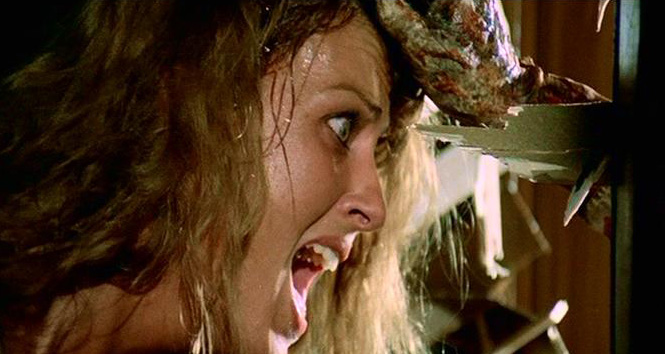
And there it was, sitting in British video shops, completely un-cut.
A film that contained zombies eating people. A film where somebody gets their eye impaled on a piece of wood. A film which, objectively, is not going to be shown during the Queen’s Christmas broadcast. To horror fans, it was glorious. To the moral guardians, it was proof that civilisation was approximately twelve minutes from collapse.
One amusing aspect of the whole saga is that some of the films caught up in the panic were genuinely disturbing. Others were simply terrible. And some were both.
Cannibal Holocaust was certainly not an innocent little romp. It contained graphic violence, sexual violence and genuine animal cruelty. Even today the BBFC requires a cut to material involving animal cruelty for physical-media release.
I Spit On Your Grave was a brutal rape-revenge film. The Last House On The Left was sufficiently controversial that the BBFC had refused it for cinema release, yet the home-video loophole allowed it into the marketplace.
There were films like The Driller Killer, SS Experiment Camp, The Beyond, The Evil Dead, Don’t Go In The House, House By The Cemetery, Nightmare, Tenebrae, and The Burning caught up in the wider controversy.
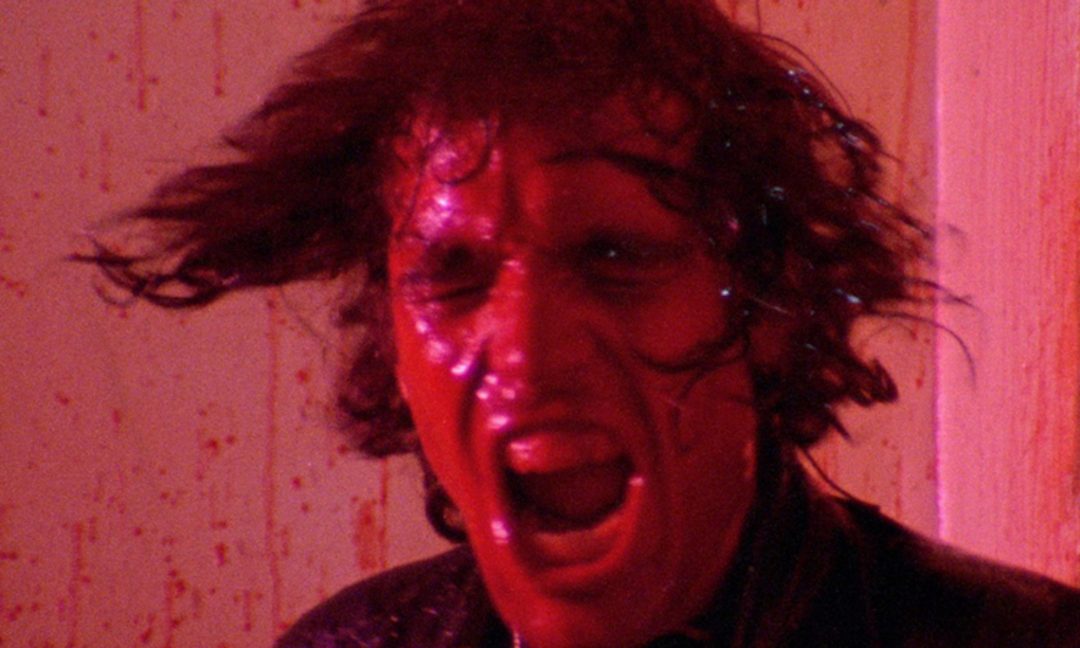
And then there was Snuff. A film whose very marketing depended on making people wonder whether what they were watching was real.
This was not exactly a movement led by cinema’s most subtle artists, but the controversy also lumped together films of wildly different intent. A nasty little exploitation movie and a genuinely influential horror classic could find themselves sitting on the same list. Once the newspapers got hold of the story, nuance was about as welcome as an Italian director at the Women’s Institute meeting.
The X-Rated Elephant In The Room
There was also the matter of pornography, and this became a second drum for the NVALA to beat. Porn was available. There was the X certificate, which was an adults-only classification. But home video complicated everything.
Now adults could rent explicit material privately. There was no need to go to a cinema. No queue. No usher. No suspicious man in a raincoat and the undead victims of a werewolf complaining over the film.
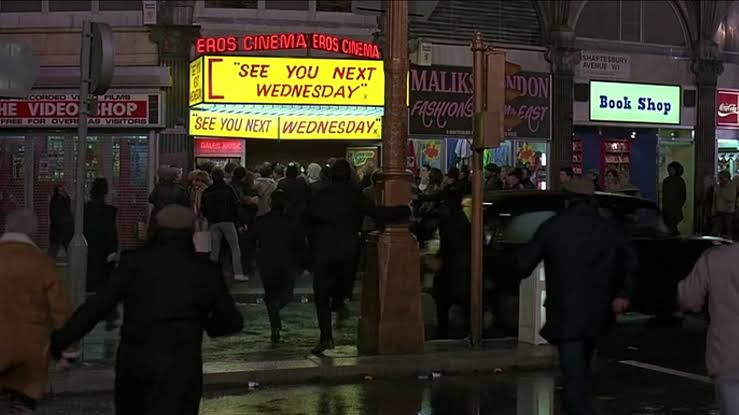
Just a video cassette.
And this fed into the wider fear that the VCR was creating an unregulated private cinema in every home. The technology wasn’t simply distributing films. It was bypassing traditional gatekeepers, and this was the cultural shock that mobilised the silver-haired army.
The imagery of the period is almost comical now.
A Britain of parish councils, church groups, local campaigners, Women’s Institute members, community leaders and assorted respectable citizens who apparently felt that their God-given duty was to ensure nobody in the village rented The Driller Killer.
You could imagine the archetypal campaigner perfectly. Cardigan. Pearls. A handbag containing boiled sweets and a petition. She has never watched a horror film voluntarily in her life, but she’s absolutely certain that The Texas Chain Saw Massacre is corrupting the nation’s youth. She has not seen The Texas Chain Saw Massacre. She has read about it in the Daily Mail.
Which, to her, is basically the same thing. The panic was fuelled by precisely this kind of local activism combined with sensationalist national reporting and political pressure.
The irony is that the campaign itself made the films more desirable. Because now horror fans had a forbidden list. They became collectors, they swapped tapes, they copied tapes, they searched extra hard for the obscure releases, forbidden films became underground treasures. The self-appointed moral guardians had accidentally created a horror-film treasure hunt.
Finally, Some Sense
In one of the very few moments in all of recorded human history, a government intervention actually did some good. The government decided that this could not continue and instigated the Video Recordings Act (1984) which, in short, mandated age classification for home videos.
The authority was the BBFC, and the loophole was closed. Nothing more would be “banned” under the Obscene Publications Act. Instead it would be certified like any other movie. The video shop apocalypse was over.
Mostly.
Because the BBFC was now dealing with an enormous backlog. Thousands upon thousands of videos suddenly needed classification, and films that had previously existed in the wild had to be submitted. The board was not to simply rubber stamp then, they had to do a proper certification job on them.
Trying to do this at speed meant mistakes were made, for instance, some of the cuts demanded to Day of the Dead were borderline comical. Thankfully that movie has been re-examined by the board many times since and appears even on UK TV in its uncut form today.
Britain had finally decided that the VCR was not, in fact, a portal to Hell. It was merely a machine that allowed you to watch films whenever you wanted.
The greatest irony of the Video Nasty era will always remain that the moral panic ultimately created the very cult surrounding these films that it was supposed to prevent. The films became mythology. Kids heard about them. Horror fans hunted them. Video shops hid them. Newspapers screamed about them.
And somewhere in all this, Britain accidentally turned Lucio Fulci into a folk hero.
Decades later, many of these films have been reassessed, yet some of them you still only watch once and then spend the rest of your life wondering why you voluntarily did that to yourself.
But the episode remains fascinating because it wasn’t really just about horror, it was about control. A new technology had arrived faster than the law could handle it, and the very same type of people who would have become COVID Marshals in 2020 absolutely lost their shit over it all, while independent businesses had exploited the gap.

It was actually, looking back on it, a hilarious time when Mary Whitehouse and the NVALA had helped convince the country that if we didn’t act immediately, little Johnny would be watching Cannibal Holocaust before breakfast and murdering the neighbours by teatime.
Of course, Johnny wasn’t. He was in his room, masturbating.

