



We know that Hollywood has always been a magnet for many different kinds of people. Not all of them are idealistic kids with dreams of stardom.
We already covered, at length, some of the relationship between Hollywood and the Mob, but there have also been other crooks, conmen, wrong ‘uns, and the occasional murderous lunatic drawn in by the promise of gains, kicks and thrills.
Others just fall into unfortunate situations as a side effect of the lifestyle, or bad advice.
And while Hollywood loves to tell us stories about good and evil, it just prefers them to stay on the screen, at least openly and in public.
The film industry has spent over a century pretending it’s a shining beacon of dreams, glamour and artistic integrity. It isn’t. It never was. It couldn’t be.
Hollywood was built on egos the size of aircraft carriers, money flowing like champagne at an awards after-party, and enough ambition to power the Sun.
Throw all that together and you don’t simply attract artists. You attract grifters, hustlers, fraudsters, gangsters, narcissists, sociopaths, and people who hear the phrase “fiduciary responsibility” and assume it’s a Marvel character trait.
There is probably no other industry quite so capable of producing Oscar winners and prison inmates from the same guest list.
This isn’t new. It’s practically part of the architecture. If Wall Street attracts financial predators and politics attracts power-hungry narcissists, Hollywood has always attracted absolutely everybody.
The talented. The untalented. The beautiful. The insane. The criminally gifted.
The myth says Hollywood sprang fully formed from artistic vision.
The reality is it sprang from land deals, patent wars, dubious accounting and businessmen who considered ethics to be an optional extra. The issue is that Hollywood has never met a dangerous person it couldn’t mistake for “interesting.”
Fatty Arbuckle: The Scandal That Nearly Killed Hollywood
No discussion begins anywhere else.
Roscoe “Fatty” Arbuckle was one of silent cinema’s biggest stars until the death of actress Virginia Rappe in 1921 exploded into one of Hollywood’s first truly gigantic scandals.
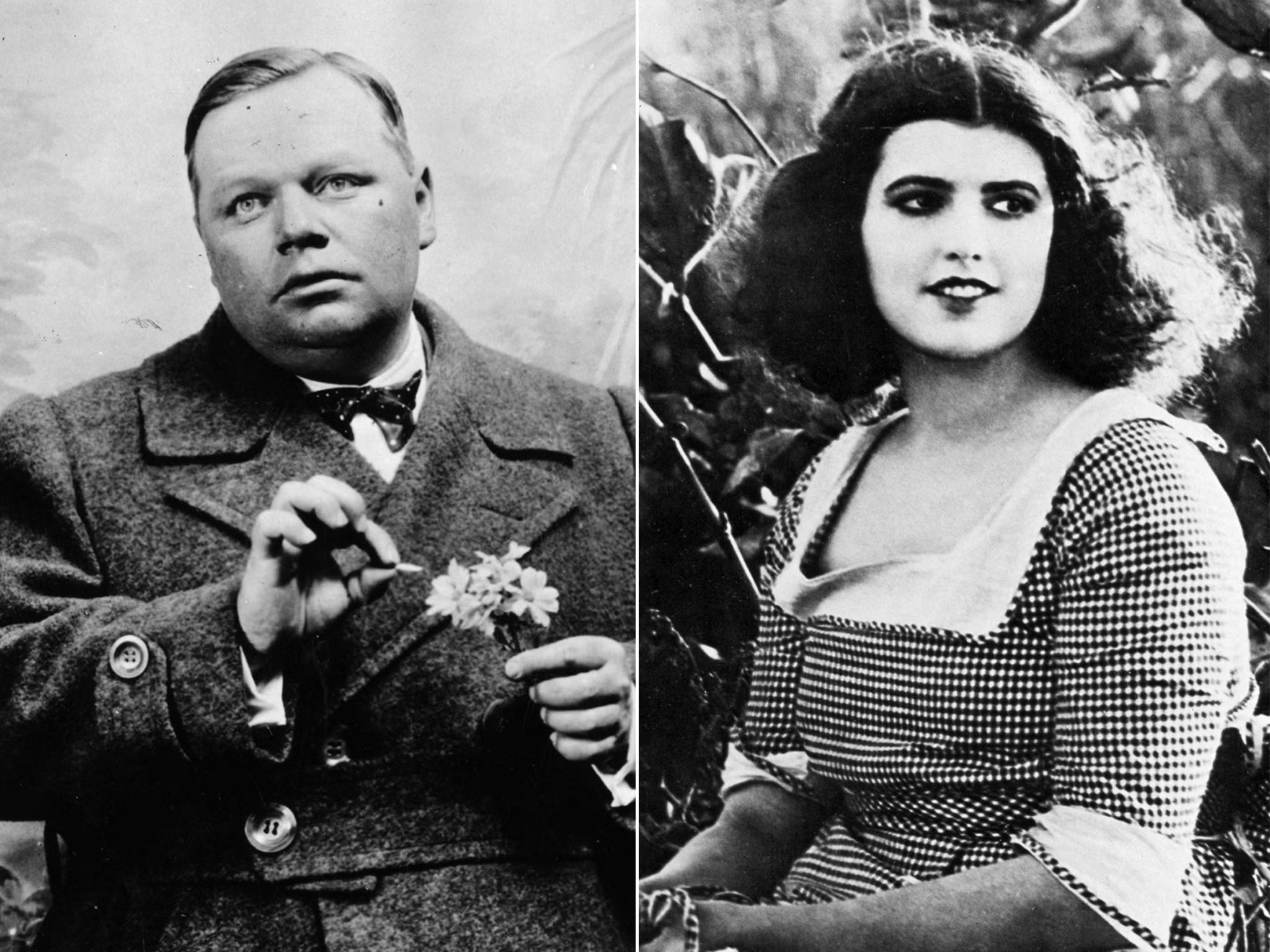
The newspapers had a field day, practically inventing modern tabloid hysteria.
Arbuckle was accused of rape and manslaughter. He was tried three separate times. He was acquitted.
Not merely acquitted, but completely exonerated, with the jury issuing an extraordinary written apology stating that they believed he had been treated unjustly.
Did it matter? Of course not.
Hollywood had discovered something that would become one of its defining characteristics: accusations travel first class, vindication hitchhikes.
His career never recovered.
It’s an important reminder that not every famous Hollywood crime story ends with guilt. Sometimes the biggest crime is what the press does afterwards.
Errol Flynn: Reality Catching Up With Reputation
Errol Flynn’s reputation was so outrageously debauched that half the stories people tell about him are probably exaggerations.
Unfortunately, only half.
Flynn stood trial in 1943 over statutory rape allegations involving two teenage girls. He was acquitted.
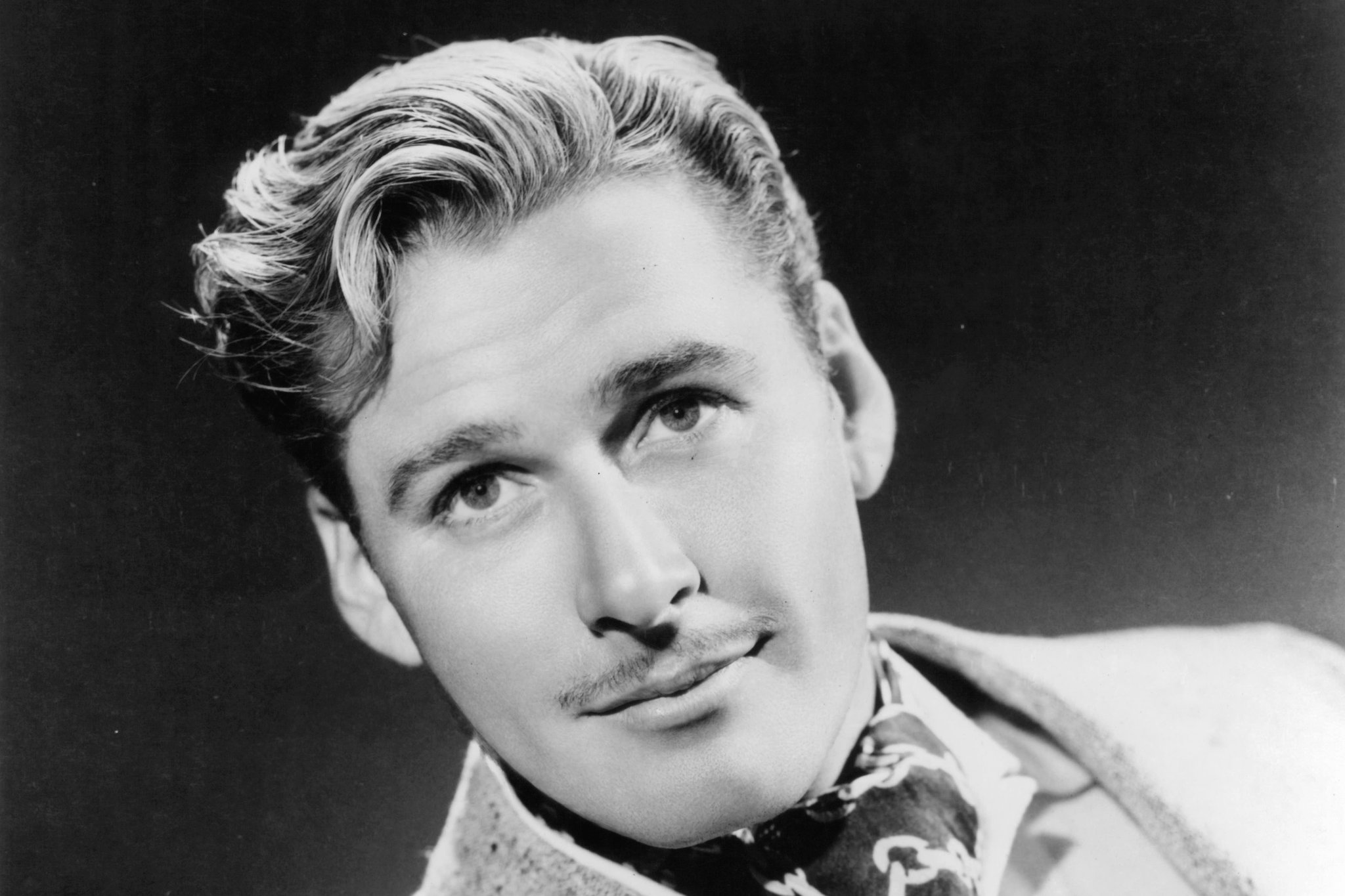
The courtroom drama is even sometimes credited with giving America the expression “In like Flynn.” Which is remarkable. Imagine your legal defence becoming a catchphrase?
Even after acquittal, Flynn continued living exactly as though tomorrow had been cancelled. Alcohol, women, yachts, excess, and enough bad decisions to qualify for frequent flyer miles in disaster.
Hollywood eventually stopped pretending this behaviour was charming. Mostly.
Robert Mitchum Couldn’t Even Smoke a Joint Quietly
Nowadays, celebrities announce they’ve tried cannabis with the solemnity of revealing they once drank tap water.
In 1948 it was different. Robert Mitchum was arrested for marijuana possession.
He served around two months in prison, and his mugshot promptly made him even cooler.
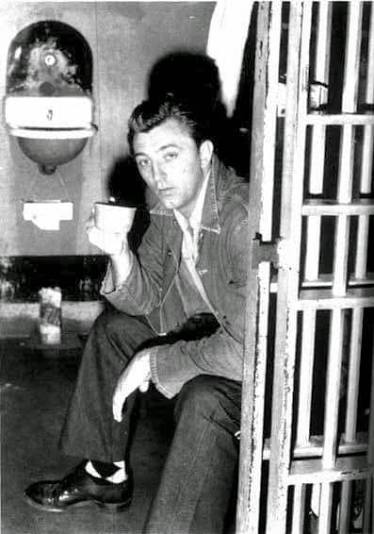
Only Hollywood could transform incarceration into a branding exercise. Nowadays a PR team would release a statement about “personal growth.”
Back then audiences simply shrugged and said:
“Still a better actor than half the people nominated this year.”
Tim Allen: From “Dealer” to Santa Claus
Everybody loves Tim Allen. His Buzz Lightyear is fantastic, Galaxy Quest remains undefeated. Home Improvement gave us Pamela Anderson.
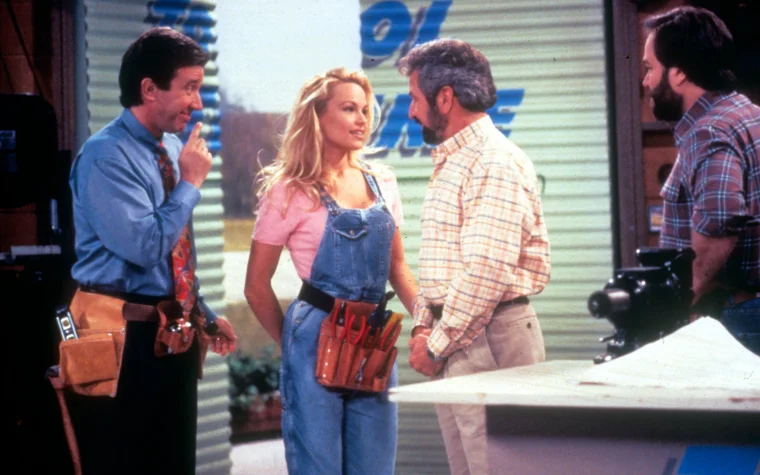
Yet if Hollywood wrote Tim Allen’s biography as a screenplay, executives would reject it for being implausible.
Before becoming America’s favourite sitcom dad and eventually Santa Claus himself, Allen was arrested in 1978 carrying more than a pound of cocaine.
He pleaded guilty to drug trafficking.
He served over two years in federal prison after cooperating with investigators. It remains one of the more astonishing reinventions in entertainment history.
The man literally went from federal inmate to Disney icon. Talk about character development!
The Resurrection of Robert Downey Jr.
Robert Downey Jr. spent the late 1990s making extraordinary films while simultaneously attempting to collect every possible arrest.
There were drug possession, probation violations, and repeated incarcerations. Court appearances became almost part of his publicity cycle.
There came a point where even judges appeared exhausted.
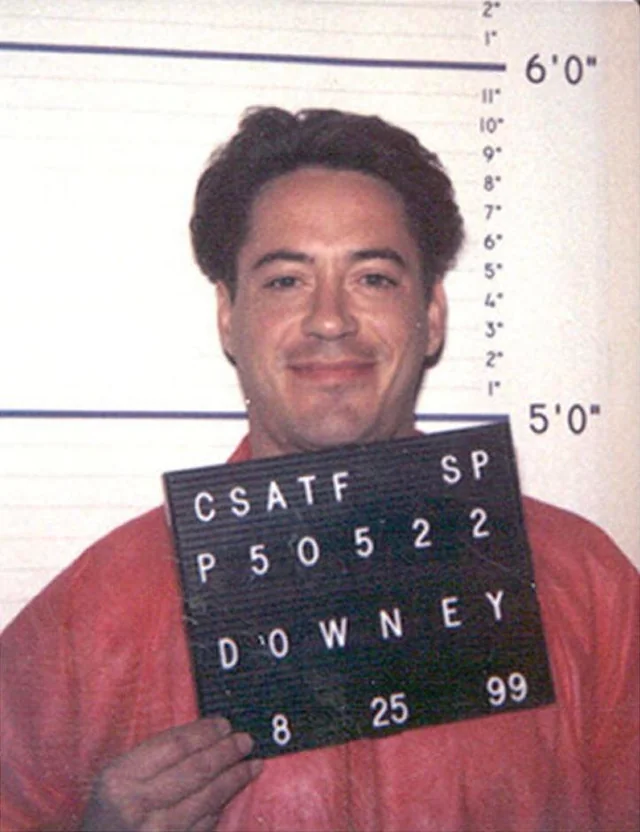
Yet unlike so many cautionary tales, this one genuinely has a happy ending. Downey got sober. Stayed sober. Rebuilt his career.
Then he became Iron Man and by the time his first MCU stint was done by Endgame, he had earned enough money to purchase several moderately-sized countries.
It’s difficult not to admire one of the greatest comeback stories Hollywood has ever produced.
Even if the road back involved rather more prison uniforms than most leading men usually wear.
Always Bet On The Internal Revenue Service
Sure, the aforementioned Mafia is a powerful organisation, so it the CIA. In Hollywoood, there is the Academy.
None inspire fear quite like the Internal Revenue Service.
Wesley Snipes was convicted in 2008 on misdemeanour counts relating to failing to file federal tax returns. He ultimately served nearly three years in prison.

There are countless action movies in which heroes defeat impossible odds, but nobody beats the taxman.
Even Batman probably claims depreciation incorrectly, but Blade didn’t even bother to file.
Martha Stewart Discovers Orange Is the New Cashmere
Not every Hollywood-adjacent prison story involves violence or drugs.
Sometimes it’s insider trading. Or more accurately, lying during an insider trading investigation.
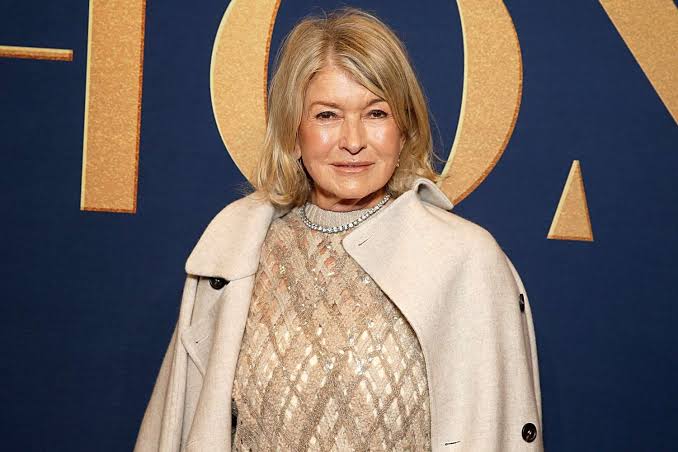
Martha Stewart served five months in federal prison. Most people would disappear forever after that.
Instead she somehow emerged even more famous, became best friends with Snoop Dogg, and convinced America that prison was simply another lifestyle brand.
Only in entertainment could incarceration become a successful rebranding exercise.
Roman Polanski: The Fugitive Auteur
Some stories stop being funny. Roman Polanski pleaded guilty in 1977 to unlawful sexual intercourse with a minor.
Before sentencing, he fled the United States.

He has remained a fugitive from American justice ever since. The remarkable part isn’t merely the crime. It’s the astonishing number of people in Hollywood who spent decades treating the situation as though it were an unfortunate administrative misunderstanding rather than someone deliberately evading sentencing.
Hollywood has an astonishing capacity for separating “the artist” from “the person”, usually in direct proportion to box-office receipts.
Harvey Weinstein: The Emperor Had No Clothes
For decades Harvey Weinstein wasn’t merely powerful. He was Hollywood.
Awards. Careers. Oscar campaigns. Entire studios revolved around him.
Yet rumours circulated for years and, eventually, journalism caught up.
The resulting investigations revealed decades of alleged sexual misconduct involving scores of women.
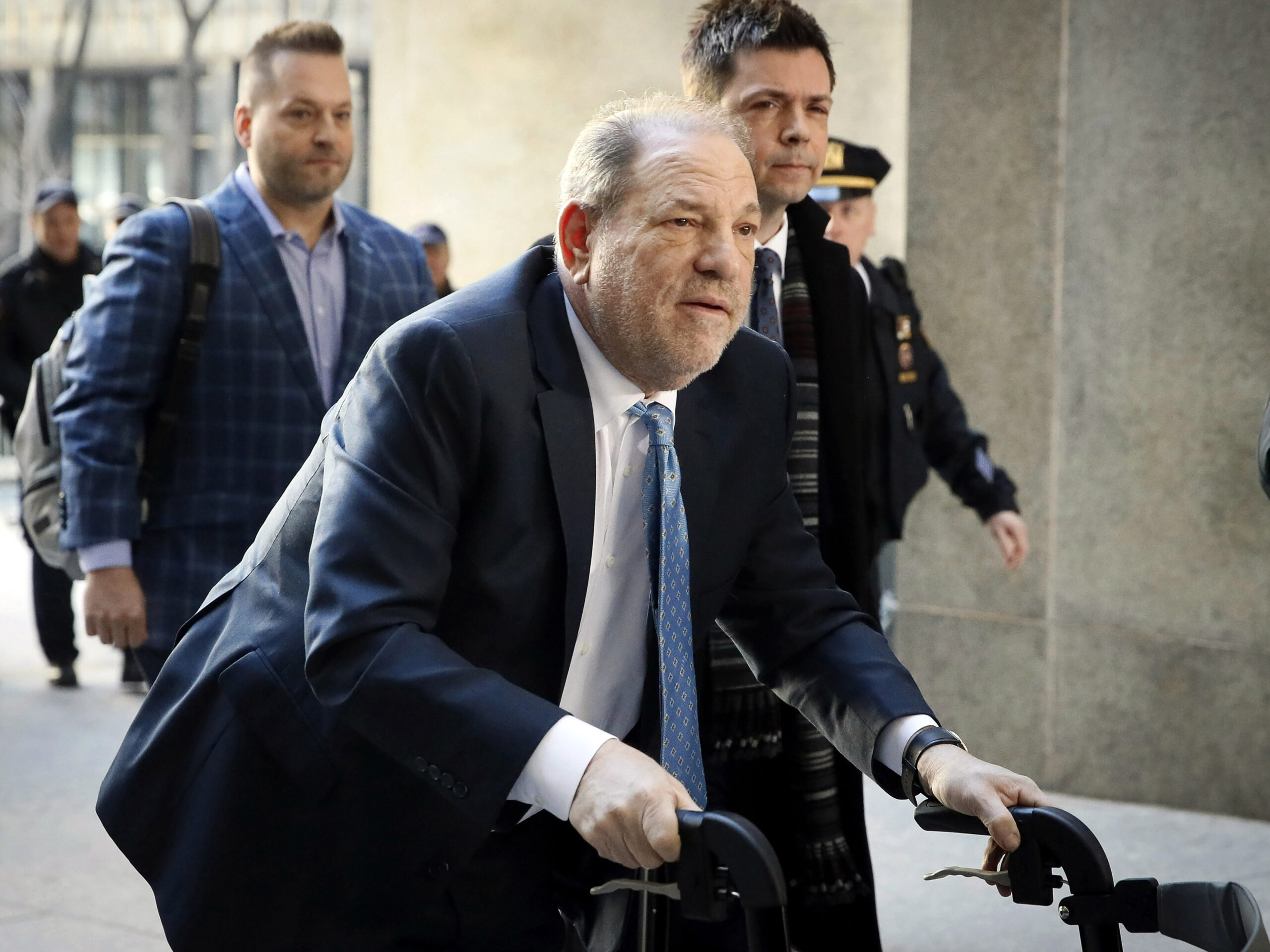
Weinstein has since been convicted in multiple jurisdictions, although the legal picture has evolved through appeals, retrials and separate convictions.
Whatever happens in future courtrooms, the wider cultural impact cannot be overstated.
Hollywood’s worst-kept secret finally became impossible to ignore. Everyone suddenly claimed they had always known, which raises the obvious question…
Felicity Huffman and Lori Loughlin: Prison by Helicopter Parent
The college admissions scandal remains one of the funniest examples of affluent criminality.
Imagine already being fabulously wealthy. Imagine your children already having every conceivable advantage. Then imagine deciding the logical next step is committing federal fraud to get them into university.
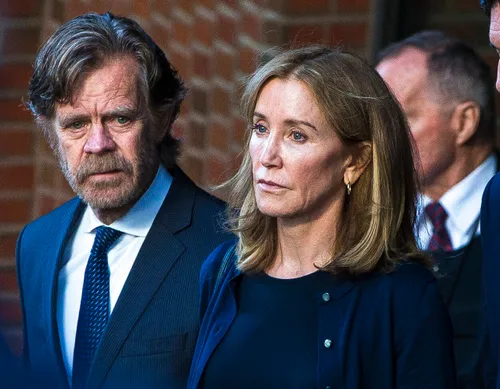
It is the sort of spectacularly unnecessary crime that only rich people seem capable of inventing.
They both recieved prison time, but if they had just used the money to donate another building to the university they’d probably have received a commemorative plaque as well as had their kids accepted.
Why do fantastically privileged people in Hollywood keeps doing this stuff?
Money. Power. Status. Access.
Those four ingredients create temptation on an industrial scale.
Hollywood doesn’t manufacture crime. It manufactures opportunity. The industry is built on enormous financial swings where one deal can produce $100 million and another can bankrupt a studio.
It creates celebrity cultures where ordinary rules appear negotiable.
People stop hearing “no.” Eventually they stop believing “no” exists.
That’s dangerous whether you’re an accountant committing fraud or a producer abusing power.
However, the PR machine is sometimes more impressive than the crime. Hollywood has also perfected something almost unique. The redemption narrative.
Every scandal is followed by carefully choreographed interviews – Personal growth. Reflection. Learning. Healing. And then…
…A documentary. A podcast. A memoir. Possibly a Netflix limited series narrated by someone who definitely wasn’t available when the original events occurred.
Sometimes redemption is genuine. Robert Downey Jr. is perhaps the gold standard.
Sometimes it’s merely better marketing. Hollywood often struggles to distinguish rehabilitation from reputation management. The latter generally has better lighting.
The Ones Who Never Went to Prison
It’s worth remembering something else. Hollywood history is littered with notorious figures who never saw a prison cell despite behaviour that shocked contemporaries.
Others were arrested but acquitted. Some became victims of media hysteria.
Others simply possessed expensive lawyers. Justice and celebrity have never enjoyed a particularly stable relationship.
Sometimes fame amplifies accountability. Sometimes it delays it. Occasionally it buries it completely.
Hollywood likes to imagine itself as a dream factory. Perhaps.
It is also a people factory. And people remain gloriously, catastrophically flawed.
The same town capable of producing Casablanca, Jaws, The Godfather and Back to the Future has also produced tax cheats, traffickers, fraudsters, fugitives, sexual predators, corrupt executives, organised crime associates and enough prison memoirs to fill an airport bookshop.
The glamour is real, but so are the mugshots.
Perhaps that’s inevitable. Hollywood promises unlimited wealth, unlimited attention and almost unlimited temptation.
It rewards ego, confidence and self-belief in quantities that would make Napoleon ask everyone to calm down. It is populated by people whose job description literally requires convincing strangers that they’re someone else.
Most are decent.
Some are spectacularly talented.
A few have rebuilt broken lives through genuine effort.
And a depressingly persistent minority have treated the criminal justice system as though it were simply another inconvenient critic who failed to appreciate their artistic vision.
For over a century the world’s greatest dream factory has stood on foundations of ambition, illusion and money. Lots and lots of money.
Where those three things gather, criminals inevitably follow.
Sometimes they follow somebody down an alleyway. Sometimes they own the studio.

