


Lately, it has proved increasingly difficult to keep politics and pop culture apart. No matter how hard people try, the two things seem to orbit each other in perpetuity.
Then, in some cases, there is no point even trying. The two things were going to smash face-first into each other, so you can just sit back and watch.
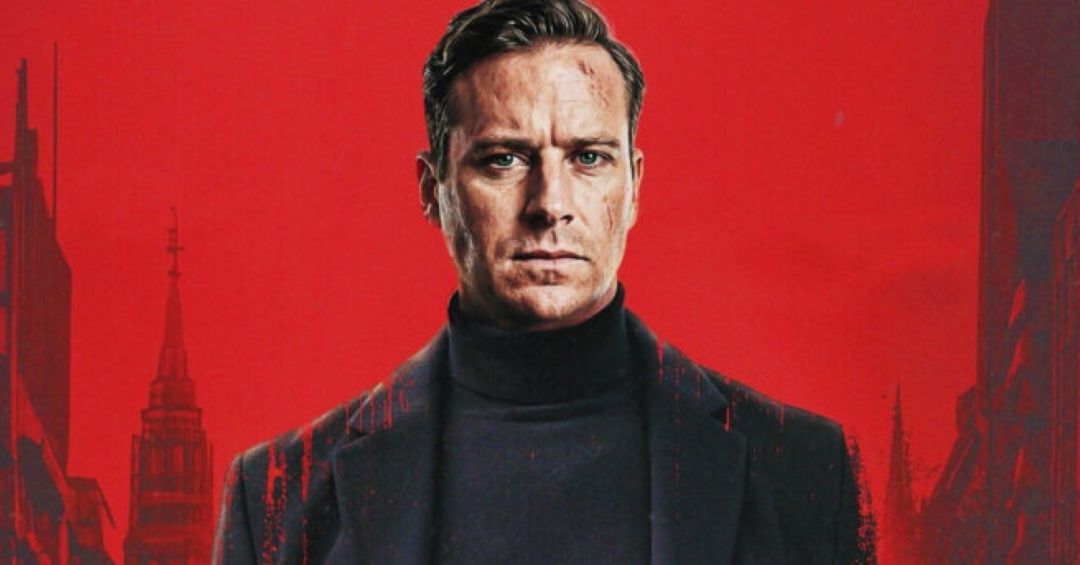
Citizen Vigilante is one of those times. It has got the political establishment across the West absolutely squirming. Certain media hacks will no doubt start to scream that this movie is somehow advocating chaos.

The truth is actually that it makes the establishment uncomfortable for a much simpler reason. It asks a question they’re desperate for people to stop asking.
What happens when, due to their very policy decisions, ordinary people stop believing the state can protect them?
That’s the question sitting underneath every frame like an unexploded bomb. Whether you agree with its answers or not is almost beside the point.
Whether the movie is actually any good or not is also largely irrelevant here. Certainly, Phil and his legendary tolerance for bad movies didn’t rate it very highly.
Phil doesn’t really do politics, and this is going to be a political movie now, whether the establishment likes it or not.
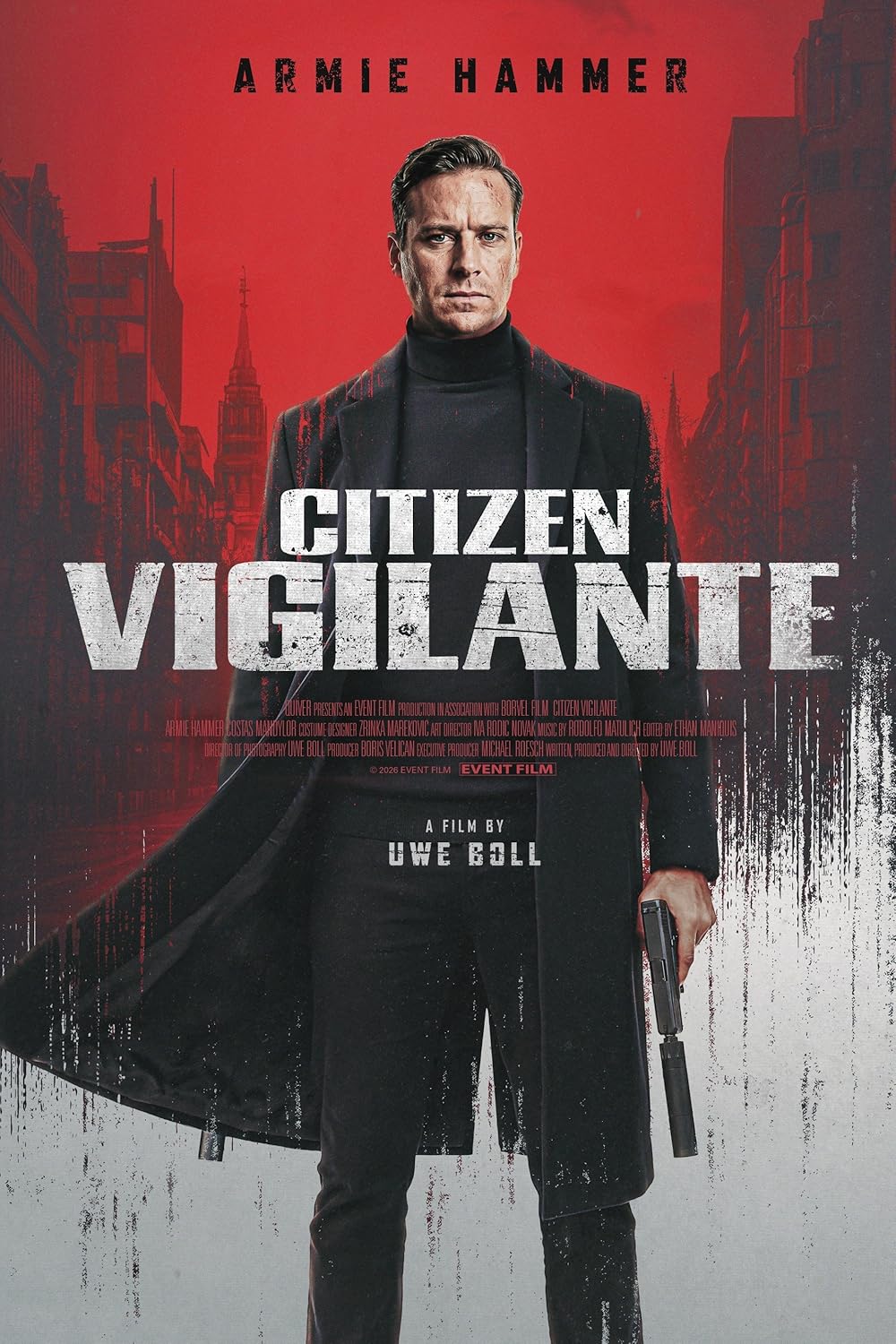
The question itself is radioactive.
Because across Europe, Britain, and the United States, crime has become impossible to ignore, even as people are constantly told that crime is falling.
Depending on the category and the country, violent crime, sexual crime, organised crime, knife offences, retail theft, and repeat offending have all become major political issues, and images and videos are shared widely on social media.
In short, governments are losing control of the narrative, and pattern recognition is kicking in among the populace.
Governments don’t merely fear crime. Crime has existed forever. They fear people noticing crime. That’s a completely different problem.
Statistics can always be debated. One set goes up while another goes down. One government counts offences one way, the next changes the methodology. Headlines come and go. But perception?
That’s harder to control, and it gets 100% worse when the perception is that the crime is rising due to the policies of the political class, specifically around mass immigration.

They really, really don’t want you noticing or mentioning. They are only just now starting to understand that you can’t spreadsheet your way to public perceptions of safety, and into this arena, Citizen Vigilante has rolled in like an unexploded hand grenade.
The political establishment across the world is now looking at it fearfully and wondering if that is ticking they can hear. Because they are scared that people are now asking questions. Questions such as:
“What if nobody is coming?”
That’s an unsettling thought for politicians especially. The modern political class—left, right, and whatever flavour of managerial centrist happens to be in fashion this week—rests on an implicit contract.
Pay your taxes. Follow the rules. Trust the institutions. We’ll take care of the rest.
That confidence isn’t just starting to wobble across the West, it’s in a full-on tank slapper, and the establishment needed this movie right now like a hole in the head.
When they know that we know that they are less like competent government and more like an expensive customer service department explaining why your complaint cannot currently be processed, they are right to be afraid.
So, of course, the responses practically write themsleves:
“This film is irresponsible.”
“It sends the wrong message.”
“It risks undermining confidence.”
You don’t get it, do you, you gilded fucktards. That’s the point. Not because confidence should be undermined artificially. But because confidence has to be earned.
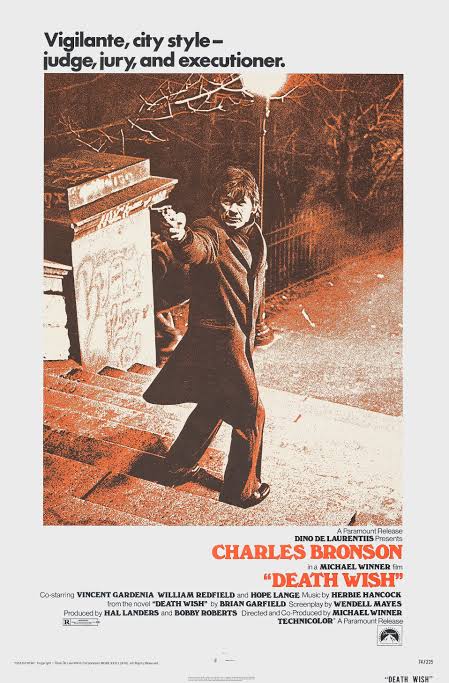
That’s what makes comparisons with Death Wish so interesting. When Michael Winner released Charles Bronson’s revenge classic in the 1970s, critics almost fainted into their sherry.
How could audiences possibly enjoy such reactionary nonsense? How dare ordinary cinema-goers cheer a man fighting back? Reviewers treated it less like a thriller than a constitutional crisis.
Yet audiences kept buying tickets. Because Death Wish wasn’t successful due to sophisticated political theory. It succeeded because people recognised the frustration.
Sound familiar? Half a century later, we’re having exactly the same argument.
Different decade. Different technology. Same nervous establishment.
Whenever films like this appear, a curious phenomenon emerges. The people insisting “it’s only a movie” suddenly spend weeks explaining why the movie is incredibly dangerous.
So which is it? Either films don’t influence society…
…or this one somehow does.
They can’t seem to decide. Perhaps that’s because stories often reveal conversations already happening rather than creating them. Cinema reflects, even when it reflects badly. Sometimes it reflects things the cultural gatekeepers would rather remain out of frame. That’s when panic begins.
Not among audiences. Among commentators. Cue the inevitable opinion pieces explaining why, actually, people feeling anxious about the type of crime in Citizen Vigilante is the real problem. Not crime itself. Your anxiety about it.
Somewhere, a communications adviser is already drafting a press release insisting everyone should have greater confidence in institutions while travelling home with three security officers and a police escort.
You couldn’t parody it. Actually, you could. You probably should.
The political class increasingly resembles passengers on the Titanic arguing over whether the terminology “iceberg” is sufficiently inclusive.
Meanwhile, outside the political bubble, people have been talking about certain things for years. Just now, somebody has dared to make a film about it, and they are shitting themselves.
Citizen Vigilante is awkward. Not because everyone agrees with it. Far from it. Some viewers will reject its premise entirely. Others will think it doesn’t go far enough.
Healthy democracies can survive arguments over films. What worries political establishments is when films like Citizen Vigilante stop feeling fictional, and they know it, then accidentally cause the Streisand Effect around it with their own fumbling.
Et voila. You are here…